Mini excavators are commonly used for construction and landscaping projects that require controlled digging in areas where larger earthmoving equipment may be impractical. From installing drainage lines and preparing foundations to renovating landscapes and excavating planting areas, compact excavators can support a variety of jobs.

However, choosing the right machine requires more than finding an available excavator. Digging depth, working space, machine dimensions, ground conditions, attachments, and rental duration all influence equipment suitability.

For contractors and property owners researching mini excavator rental in Houston, understanding these factors can help prevent equipment mismatches, unnecessary rental expenses, and project delays.
This guide explains how mini excavators work, where they are useful, how to compare machine sizes, and what to check before renting equipment for construction or landscaping projects.
What Is a Mini Excavator and How Does It Work?
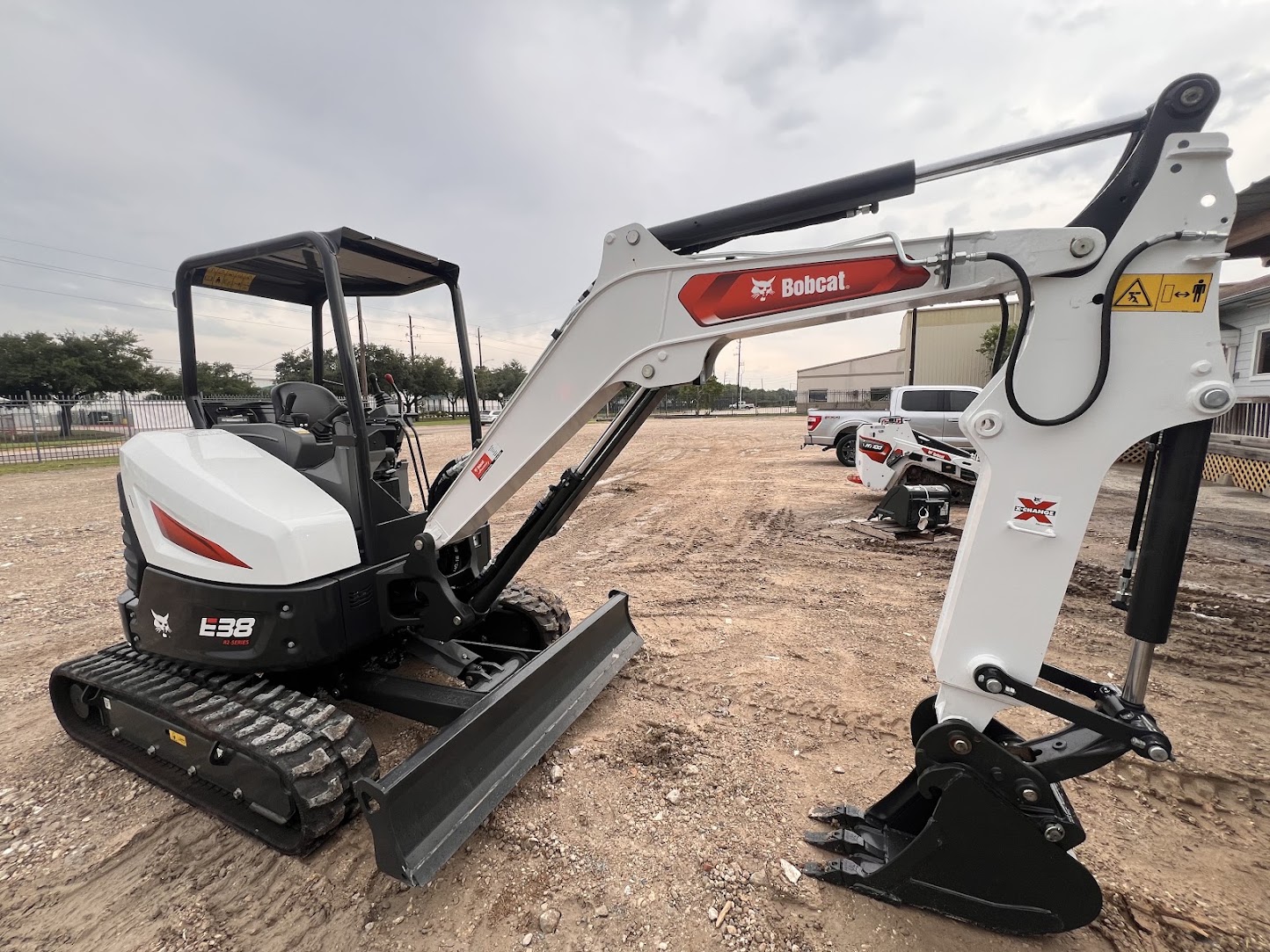
A mini excavator, also called a compact excavator, is a hydraulic earthmoving machine designed for digging, trenching, excavation, and related site work.
Most compact excavators use a tracked undercarriage and a rotating upper structure with an operator station, boom, arm, and bucket.
The hydraulic system controls the machine’s digging movements. The boom raises and lowers the digging assembly, the arm extends or retracts, and the bucket curls to excavate and move material.
The rotating upper structure allows an operator to dig and place soil without repositioning the entire machine after every bucket load.
Many compact excavators also feature a backfill blade that can assist with suitable backfilling, limited leveling, and machine positioning tasks.
Unlike larger excavators, compact models are designed around a smaller operating footprint. However, mini excavators vary considerably in operating weight, digging capacity, reach, and machine dimensions.
The right choice depends on the specific application rather than the term “mini” alone.
Common Mini Excavator Applications in Construction Projects
Mini excavators are useful across residential construction, smaller commercial projects, utility installations, and property improvement work.
Their primary advantage is the ability to perform hydraulic excavation where controlled digging and maneuverability are important.
Trenching for Utilities
Utility installation often requires trenches with specific depths, widths, and routes.
Compact excavators may be used to prepare trenches for drainage pipes, electrical conduit, irrigation infrastructure, and other underground installations.
For example, a contractor installing a drainage line along an existing commercial building may use a compact excavator to dig the required trench while working within limited space.
The machine must have enough digging depth and reach to complete the excavation without operating beyond its rated capabilities.
Before excavation begins, underground utilities must be located and appropriate excavation safety procedures followed. Mechanical digging may need to be restricted around identified utilities, depending on site conditions and applicable requirements.
Foundation and Footing Excavation
Mini excavators may support smaller foundation projects, limited footing excavations, and structural additions where the required dimensions fall within the machine’s operating capabilities.
For instance, a contractor preparing an area for a small residential addition may consider a compact excavator if the working space is limited.
However, the machine must be suitable for the excavation depth, soil conditions, material volume, and access requirements.
Larger foundation excavations may require equipment with greater reach, digging force, or production capacity.
Drainage and Site Preparation
Drainage improvements often involve removing soil, creating trenches, shaping designated areas, and preparing locations for pipe installation.
Mini excavators can support these operations when the excavation dimensions and ground conditions are appropriate.
In Houston, where individual properties can experience different drainage and surface conditions, contractors should assess the actual work area rather than assume that one machine configuration will suit every project.
An excavator may complete the digging, but additional equipment could be needed for moving large quantities of material, establishing final grades, or compacting backfill.
Backfilling and Property Improvements
After pipes, structures, or other underground components are installed, excavated areas may need to be backfilled.
A mini excavator equipped with a suitable bucket or backfill blade can assist with certain material placement tasks.
However, proper backfilling may also require compaction equipment and controlled placement of material in appropriate layers.
A mini excavator should not be treated as a substitute for dedicated compaction machinery when the project requires specific compaction results.
How Mini Excavators Are Used in Landscaping
Landscaping contractors frequently work around fences, established trees, buildings, gardens, and finished outdoor areas.
A mini excavator for landscaping can be useful when projects require excavation in these relatively restricted environments.
Landscape Renovation and Garden Preparation
Major landscape renovations may involve removing soil, reshaping planting areas, or preparing ground for new hardscaping features.
A compact excavator can assist with excavation and controlled soil removal.
However, finishing work such as spreading topsoil, preparing fine grades, or transporting bulk materials may require additional tools or machines.
Irrigation and Drainage Installation
Landscape drainage and irrigation systems often involve trenches that follow planned routes around buildings, planting areas, or other features.
A compact excavator may be suitable when the trench dimensions, access route, and ground conditions allow safe operation.
For long, narrow, consistent trenches, a dedicated trencher may be more appropriate. The decision depends on trench dimensions, obstructions, soil conditions, and the complexity of the route.
Tree Planting and Planting-Bed Excavation
Landscaping projects may require large planting holes or excavation for trees and shrubs.
A mini excavator with a suitable bucket can help prepare planting areas, provided the machine can work without damaging nearby infrastructure or vegetation.
Contractors should consider the root zones of existing trees, underground irrigation lines, and surrounding landscape features before digging.
Retaining Wall and Property Improvement Work
Mini excavators can also support retaining wall preparation, small drainage improvements, and hardscape renovation.
For example, a landscaping crew preparing a retaining wall area may need to excavate soil and create space for an engineered base.
Additional equipment or hand-finishing may be necessary to achieve specified grades, drainage details, and compaction requirements.
How to Choose the Right Mini Excavator Size
Choosing the correct excavator size is one of the most important rental decisions.
The smallest machine is not always the best option. A compact excavator must still have the digging capability, working reach, stability, and attachment compatibility required for the project.
Determine Required Digging Depth and Reach
Start by identifying the deepest point of the excavation and the distance the machine must reach.
Digging depth describes how far below the operating surface the excavator can dig under specified conditions.
Reach affects how far the boom, arm, and bucket can work from the machine.
A contractor installing drainage infrastructure may prioritize digging depth and controlled trenching, while a project involving material placement could place greater importance on reach and working position.
Always check the specifications of the individual model.
Measure Site Access and Working Space
Machine width, height, operating weight, and swing configuration affect where an excavator can operate.
Before renting, measure:
- Gate and entrance width
- Overhead clearance
- Space between structures
- Working and turning room
- Available spoil-placement area
- Access for transporting and unloading equipment
For example, a narrow backyard entrance may limit machine width, but the excavator must also have enough operating clearance once inside the property.
Evaluate Ground Conditions
Soft soil, muddy surfaces, slopes, and uneven terrain can affect traction, stability, and machine performance.
Rubber tracks may help distribute machine weight and provide traction on suitable surfaces, but they do not eliminate the need to assess ground stability.
For landscaped or finished surfaces, contractors should also consider ground pressure and appropriate surface-protection measures.
Compare Actual Excavator Options
Contractors researching Mini Excavator Rental Houston options can compare machines against required digging depth, operating dimensions, project scope, working conditions, and expected rental duration.
Rather than choosing an excavator solely by model name or rental rate, provide the rental supplier with the excavation measurements and jobsite restrictions. This helps identify machines that may be suitable for the intended work.
Mini Excavator vs. Skid Steer vs. Larger Excavator
Mini excavators are versatile digging machines, but they are not the most efficient choice for every earthmoving activity.
Understanding the differences between equipment categories can help contractors select a suitable combination of machines.
| Equipment | Primary Applications | Important Considerations |
| Mini excavator | Digging, trenching, drainage excavation, compact site work | Digging depth, reach, access, working clearance |
| Skid steer | Loading, material movement, grading, site cleanup | Operating capacity, surface conditions, attachments |
| Compact track loader | Material handling, site preparation, grading | Ground conditions, traction, machine weight |
| Larger excavator | Greater-volume excavation, substantial earthmoving | Required capacity, site access, transport, operating space |
When a Mini Excavator Makes Sense
A compact excavator is generally the more relevant machine when the main task involves digging below ground level.
Its boom, arm, and bucket provide the working geometry needed for excavation and trenching.
When a Skid Steer or Track Loader Is More Useful
Skid steers and compact track loaders are commonly selected for moving loose material, loading trucks, grading, and transporting material around a jobsite.
A compact excavator may dig soil efficiently, but a loader can be better suited for repeatedly carrying that soil across a property.
When a Project Requires Multiple Machines
Consider a landscaping project involving drainage excavation and the installation of a new aggregate base.
The excavator may prepare the trenches, a loader may transport material, and suitable compaction equipment may be needed to prepare the finished surface.
Reviewing broader Equipment Rental Houston categories can help contractors identify supporting machinery when the work involves both excavation and material handling.
What Attachments Can Be Used With a Mini Excavator?
Attachments expand the range of tasks a compact excavator may perform, but compatibility varies by machine model and hydraulic configuration.
Common attachment types include:
Digging buckets: Used for general excavation, trenching, and soil removal.
Trenching buckets: Designed for particular trenching applications where an appropriate bucket width is important.
Grading buckets: Used for suitable grading, shaping, and finishing operations.
Hydraulic thumbs: Can help secure certain materials against a compatible bucket, such as rocks or debris, when used within the machine’s rated capabilities.
Auger attachments: Used for drilling holes for suitable landscaping or construction applications.
Hydraulic breakers: Used for specific breaking and demolition tasks when the excavator supports the required hydraulic and attachment specifications.
Some compact excavators also have a backfill blade as part of the machine configuration.
Before renting attachments, confirm their compatibility, required hydraulic flow and pressure, mounting arrangements, and availability.
What Affects Mini Excavator Rental Costs in Houston?
Mini excavator rental cost depends on the machine selected and the overall rental arrangement.
The most important pricing factors typically include:
- Equipment model and machine class
- Daily, weekly, or longer rental period
- Required attachments
- Transportation or pickup arrangements
- Fuel and return conditions
- Applicable fees, taxes, or equipment protection terms
- Additional rental time caused by project delays
For example, a short landscaping excavation may require only a brief rental period, while a multi-stage drainage project could involve several days of work.
The lowest daily rental rate is not always the lowest overall project cost.
A smaller excavator that cannot meet the required production level may extend the work. Similarly, renting a larger machine than necessary may introduce avoidable access or transportation complications.
Request a detailed rental quote showing the equipment, rental period, attachments, and applicable charges.
Confirm current rates and availability directly with the rental provider before making a financial commitment.
Daily vs. Weekly vs. Longer-Term Mini Excavator Rentals
Choosing the appropriate rental duration can help contractors manage equipment utilization.
Daily Mini Excavator Rentals
A daily rental may suit a clearly defined task that can be completed in a short operating window.
Examples include limited planting-area excavation or a small drainage improvement, provided the work area and supporting crew are ready.
Weekly Mini Excavator Rentals
Weekly rentals may be more practical when digging is spread across several workdays.
A landscaping renovation involving multiple excavation areas, drainage installation, and retaining wall preparation might require equipment at different points throughout the week.
The contractor should determine whether the excavator will actually be needed during those stages.
Longer-Term Excavator Rentals
Extended construction or site preparation work may justify a longer rental period.
However, contractors should account for expected downtime, subcontractor scheduling, inspections, material deliveries, and changing ground conditions.
Compare the rental periods and rates offered by the supplier rather than assuming a longer arrangement will always be more economical.
What Houston Contractors Should Check Before Renting
Before arranging a compact excavator rental, use the following checklist:
- Define the excavation: Record digging depth, trench width, excavation dimensions, and material type.
- Measure site access: Verify gate widths, overhead clearance, and available working space.
- Assess ground conditions: Identify unstable surfaces, slopes, mud, or sensitive finished areas.
- Plan underground utility locating: Identify buried services before excavation and follow applicable safe-digging procedures.
- Check equipment specifications: Confirm digging capability, reach, machine weight, and dimensions.
- Verify attachments: Confirm the required bucket or accessory is compatible and available.
- Prepare the schedule: Coordinate equipment use with crews, deliveries, and project stages.
- Confirm transportation: Establish suitable delivery, collection, or self-transport arrangements with the rental provider.
- Review operating requirements: Ensure operators are appropriately trained and understand machine limitations.
- Request a complete quote: Clarify rental rates, applicable charges, fuel requirements, and return conditions.
- Confirm availability: Verify the selected equipment for the actual project dates.
For excavation work, contractors should also evaluate trench safety, spoil placement, nearby structures, and safe machine positioning.
Common Mini Excavator Rental Mistakes to Avoid
Even experienced construction crews can encounter equipment-selection problems when jobsite planning is incomplete.
Choosing a Machine Without Checking Digging Depth
An excavator that cannot reach the required depth may force crews to change equipment or revise their excavation approach.
Verify the machine’s specifications against the actual excavation requirements.
Ignoring Site Access
A machine may be suitable for the digging task but too wide to reach the work area.
Measure the entire access route, not just the excavation location.
Selecting the Wrong Bucket or Attachment
A general digging bucket may not provide the desired trench dimensions or grading performance.
Confirm attachment requirements before the rental begins.
Overlooking Underground Utilities
Excavation without proper utility locating and site assessment can create serious hazards and damage infrastructure.
Complete appropriate pre-excavation checks before digging.
Underestimating Rental Duration
Project delays, unavailable materials, or incomplete site preparation can increase the rental period.
Schedule equipment around realistic construction activities rather than optimistic estimates.
Forgetting Transportation Requirements
The selected machine must be transported and unloaded using suitable equipment and procedures.
Confirm responsibilities and transportation requirements before finalizing the rental.
Comparing Only the Base Rental Rate
A low advertised rate may not include the attachments or other arrangements required for the project.
Compare the complete rental quote.
Final Thoughts on Renting a Mini Excavator in Houston
Mini excavators can be practical equipment choices for construction, landscaping, drainage, trenching, and property improvement projects where controlled digging and compact machine dimensions are important.
However, the right machine depends on more than its size.
Contractors should evaluate excavation depth, reach, ground conditions, working space, access restrictions, required attachments, transportation, and project duration before selecting a compact excavator.
For Houston jobsites, careful planning is especially valuable when excavation takes place around established buildings, landscaping, underground services, or restricted access areas.
Before finalizing a rental, confirm the specific machine’s capabilities, current availability, rental terms, and total costs with the equipment provider.
A well-matched excavator, supported by a realistic work plan, can help crews complete excavation tasks with fewer avoidable interruptions.
Frequently Asked Questions
What is a mini excavator used for?
Mini excavators are commonly used for digging, utility trenching, drainage installation, small foundation excavations, landscaping, planting-hole excavation, and other controlled earthmoving tasks. Suitability depends on the machine’s capabilities and site conditions.
How much does it cost to rent a mini excavator in Houston?
Rental prices vary based on equipment size, model, rental duration, attachments, transportation, and applicable fees. Contractors should request current daily, weekly, or longer-term rates directly from rental providers and compare the complete quote.
What size mini excavator do I need for landscaping?
The appropriate size depends on digging depth, material type, project scale, required reach, access width, ground conditions, and attachments. Measure the work area and document excavation requirements before comparing machines.
Can a mini excavator dig drainage trenches?
Yes. Mini excavators are commonly used for drainage trenching when the selected machine has suitable digging depth, reach, and bucket configuration. Underground utilities must be located and appropriate excavation safety practices followed.
What is the difference between a mini excavator and a skid steer?
A mini excavator is primarily designed for digging below ground level using a hydraulic boom, arm, and bucket. A skid steer is commonly used for loading, grading, material handling, and attachment-driven site work. Some projects benefit from both machines.
Can mini excavators work in tight spaces?
Certain compact excavators are designed for restricted-access environments, but suitability depends on machine dimensions, swing clearance, working room, terrain, and safety requirements. Always measure site access and verify the selected machine’s specifications.
Is it better to rent a mini excavator for a day or a week?
A daily rental may be suitable for a short, well-defined excavation task. Weekly rentals may offer better value when the machine is needed across several workdays. Compare current rates and schedule the rental around expected productive use.