Introduction
Lighting plays an important role in the quality and efficiency of industrial maintenance. Technicians regularly work around machinery, electrical panels, production equipment, and components that may not receive enough light from fixed fixtures. In such situations, portable lighting can provide additional visibility and make inspection tasks more convenient.
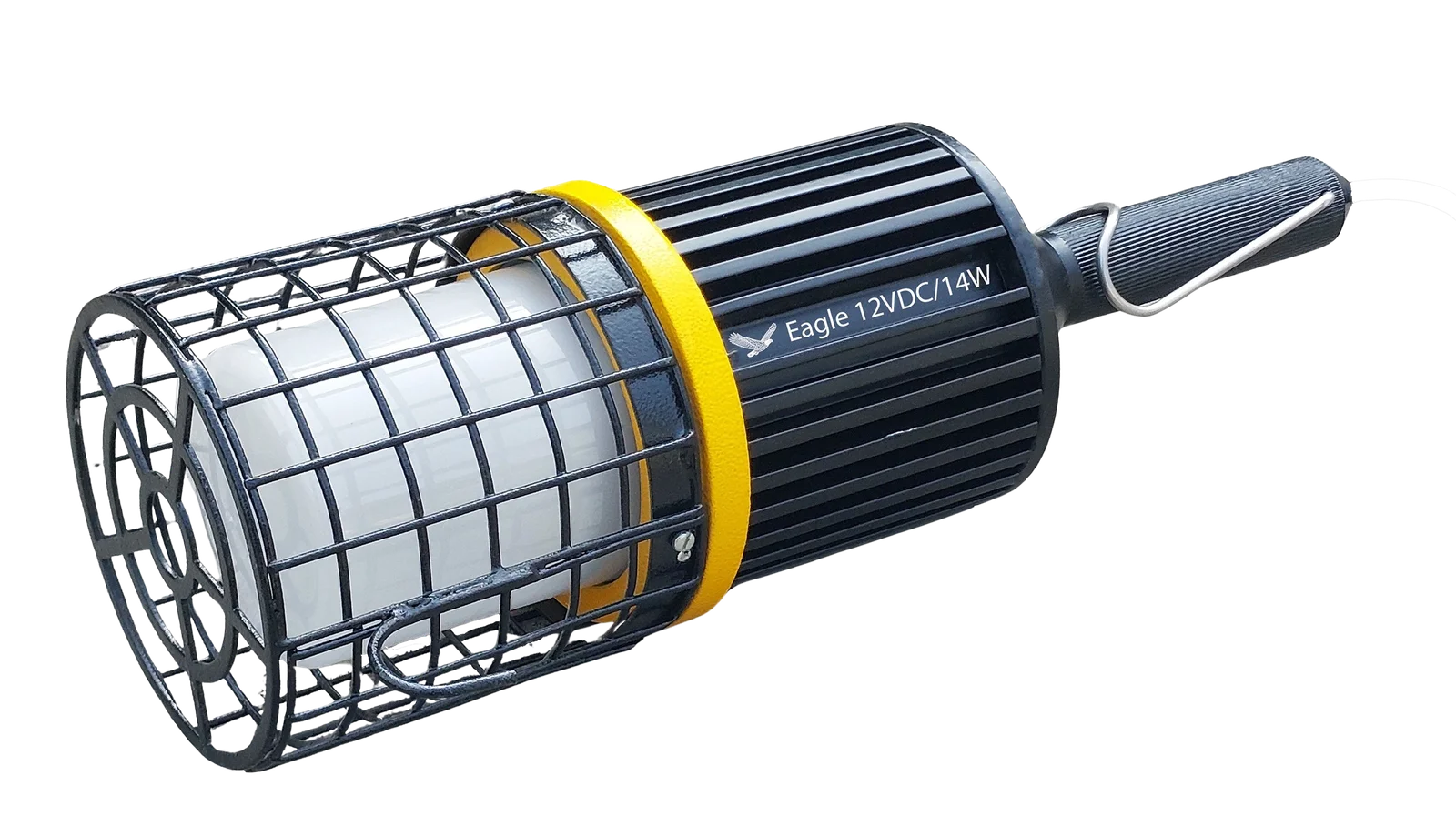
An LED Hand Lamp is designed to deliver movable illumination wherever it is needed. It can be carried between workstations and positioned to light up a particular component or working area. For maintenance teams, workshops, and industrial service operations, choosing a suitable lamp involves understanding its technical specifications, construction, and intended application.

What makes portable LED lighting useful?
Fixed lights are essential for illuminating an entire workshop, but they may not provide adequate visibility behind machinery or inside recessed spaces. Shadows can make it harder to examine surfaces, identify visible wear, or access components during routine servicing.
A portable light allows technicians to adjust the direction of illumination as they work. Instead of changing the position of the equipment or relying on surrounding lights, users can move the lamp closer to the area being examined.
LED technology also offers practical advantages. Many LED lamps provide useful brightness with relatively low power consumption and have a long rated operating life. Actual performance depends on the product’s design, operating conditions, and maintenance.
These features make portable LED lighting worth considering for industrial environments where flexibility is important.
Important specifications to check before buying
Different models are designed for different operating conditions. Reviewing the following specifications can help buyers select an appropriate product.
1. Wattage and light output
Wattage indicates how much electrical power a lamp consumes, while lumens measure its light output. Both figures are useful, but neither should be considered in isolation.
A lamp with higher wattage does not necessarily provide better visibility than every lower-wattage alternative. LED efficiency, beam distribution, working distance, and surrounding lighting all influence the result.
For example, a model listed at approximately 2,800 lumens may be useful for certain industrial inspection tasks, but buyers should still consider how the light is distributed and whether it suits the work area.
2. Operating voltage
Voltage compatibility is essential when choosing portable electrical equipment. Models may be designed for different AC or DC supplies, so the product rating must match the intended power source.
A 12 VDC lamp requires a compatible direct-current supply. Users should check the manufacturer’s connection instructions and confirm that the cable and connector arrangement are suitable.
Never connect a lamp to an unapproved supply or modify its wiring without appropriate authorization.
3. Housing and handle
The construction of a portable lamp affects its handling and suitability for regular use. Some industrial models feature aluminium housings, polymer handles, and protective domes.
These materials serve different purposes, but their presence alone does not guarantee resistance to every impact, chemical, or environmental condition. Buyers should review the product specifications and handling instructions before selecting a model for demanding work.
4. Ingress protection
Dust and water exposure can vary considerably between workplaces. An IP rating provides information about the tested level of protection offered by the product enclosure.
For example, IP54 indicates defined protection against dust ingress and water splashes under specified test conditions. It does not mean that the lamp is waterproof or suitable for immersion.
If the worksite involves flammable gases, vapours, or combustible dust, the lamp must have the certification required for that environment. An IP rating alone does not establish hazardous-area suitability.
Where can an LED hand lamp be used?
Portable lighting can support several types of work when the selected model meets the application’s requirements.
Industrial maintenance: Technicians can direct light towards accessible components while carrying out routine servicing and visual checks.
Workshop operations: Additional illumination can help workers examine tools, workpieces, and machinery during repair activities.
Equipment inspection: A portable light can assist with examining visible surfaces and components that are difficult to see under fixed lighting.
Mobile service work: Maintenance personnel who travel between work locations may benefit from a lamp that can be carried and positioned as needed.

Production support: Specific workstations may require supplementary lighting when machinery or surrounding structures create shadows.
For electrical and machinery maintenance, portable lighting must be used alongside the required isolation procedures, protective equipment, and site safety practices.
LED hand lamp compared with conventional portable lights
Traditional portable lights may use older lighting technologies that require more energy or more frequent light-source replacement. LED models can offer practical alternatives, although the advantages depend on the individual product.
One potential benefit is energy efficiency. LEDs can provide useful light output while consuming comparatively little power. Their rated operating life may also reduce the frequency of replacing the light source.
LED products are available in different shapes, sizes, wattages, and supply configurations. This gives buyers options for tasks ranging from general workshop illumination to more specific inspection requirements.
However, the complete product matters. A lamp still needs suitable wiring, effective heat management, a durable design, and appropriate protection for its intended environment. Buyers should compare specifications and operating costs rather than assuming every LED model performs equally well.
Choosing the right Inspection lamp for your workplace
A suitable Inspection lamp should match the task rather than simply offer the highest brightness or lowest price.
Begin by identifying the areas that need additional illumination. Consider whether the lamp will be used for occasional checks, regular machinery maintenance, or mobile servicing. Next, review the available power supply and the product’s voltage rating.
Examine the lumen output, wattage, housing materials, handle design, protection rating, and cable arrangement. It is also worth checking warranty conditions, cleaning instructions, and the availability of technical information.
For environments with special safety requirements, confirm the required certifications before making a purchase. A general-purpose portable light may not be appropriate for every industrial location.
A portable lighting option from Mimic Products
Mimic Products offers hand lamps for industrial lighting, maintenance, and inspection requirements. Buyers can review the available range and compare product details according to their intended application.
One listed option is the Sparrow LED Hand Lamp 12 VDC 28 Watt. Its listed specifications include a 28-watt LED light source, approximately 2,800 lumens of output, an aluminium extruded housing, an ABS handle, a polycarbonate dome, and an IP54 protection rating.
These features provide a useful basis for evaluating the lamp for suitable workshop and machinery inspection tasks. Before ordering, verify the current product information and ensure that the supply voltage, protection level, and operating conditions match the requirements of the workplace.
Whether searching for a Safety lamp, a Maintenance Lamp, or a portable Inspection lamp, buyers should assess the specifications of the individual product rather than relying on the category name alone.
Simple maintenance practices for portable lighting
Regular inspection helps users identify visible damage before it becomes a larger concern. Before using the lamp, examine its housing, handle, cable, connector, and protective dome.
Keep the cable away from moving machinery, sharp edges, and areas where it could be crushed. Disconnect the lamp before cleaning, and follow the manufacturer’s instructions for approved cleaning materials.
Store the equipment in a designated place after use. If the lamp shows damaged insulation, loose connections, cracks, or irregular operation, remove it from service until it has been assessed appropriately.
These habits can support reliable day-to-day use and help maintenance teams take better care of their equipment.
Conclusion
Portable lighting can make industrial inspection and maintenance tasks more convenient by bringing illumination directly to the work area. An LED Hand Lamp offers flexibility for workshops, machinery servicing, and other suitable applications, while LED technology can provide useful light output with efficient energy use.
The best choice depends on the operating voltage, brightness, construction, protection rating, and working environment. Reviewing these factors before purchasing helps businesses choose equipment that fits their requirements.
Mimic Products provides industrial hand lamp options that buyers can evaluate for their maintenance and inspection needs. Explore the product range and compare the specifications before selecting a suitable model.