Buying clothes online can sometimes feel like guesswork. A dress may look beautiful in photographs, but when it arrives, the sleeves might feel tight, the length may be different from what you expected, or the fabric might not sit comfortably.
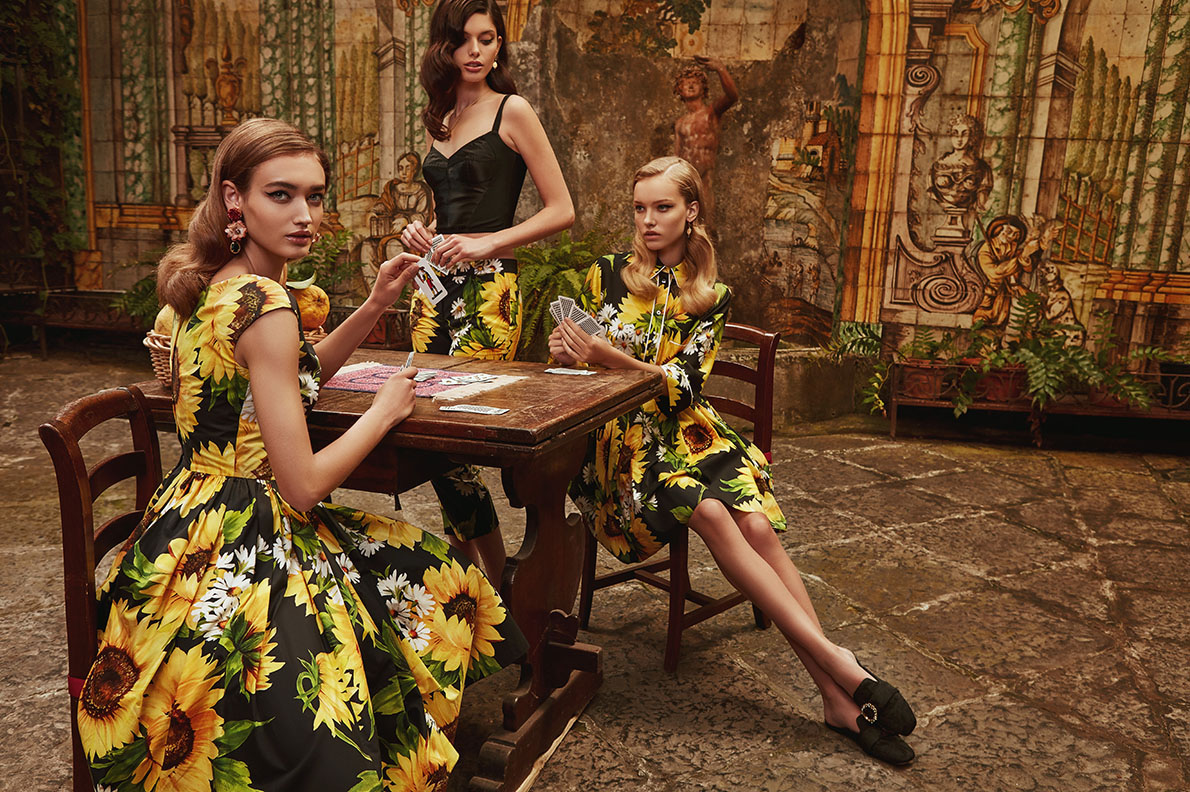
This can also happen when choosing italian clothing. From relaxed tunics to flowing dresses and wide-leg trousers, Italian fashion offers different shapes and fits. However, not every style follows the same sizing or design.

Before choosing an outfit, it helps to understand how garment measurements, fabric, length and cut affect the fit. A few simple checks can help you find clothes that feel comfortable, suit your preferences and work well for everyday wear.
Italian Clothing Sizes: How Can You Find the Right Fit?
Clothing sizes can vary between manufacturers. A UK size 12 in one garment may feel slightly tighter or looser than the same size in another. Italian sizing also uses a different numbering system, which can make choosing the right fit confusing.
When looking at made in italy clothing, remember that the size label alone does not tell you everything. The actual garment measurements are often more useful, particularly when choosing loose-fitting or one-size designs.
Check Your Measurements Before Choosing
Knowing your measurements makes it easier to compare different styles. You do not need anything complicated. A soft measuring tape and a few minutes are usually enough.
Pay attention to these areas:
- Bust: Measure around the fullest part of your chest without pulling the tape too tightly.
- Waist: Measure around your natural waist while keeping the tape comfortable.
- Hips: Measure around the fullest part of your hips, especially when choosing trousers or fitted dresses.
- Length: Compare the garment length with a similar piece you already own.
It is also worth checking the sleeve length and shoulder width, particularly for jackets, blouses and structured tops.
If a product provides flat garment measurements, remember that these may need to be doubled to estimate the full circumference. Always check how the measurements have been taken.
Understand UK and Italian Size Differences
Italian and UK clothing sizes are not numbered in the same way. For example, an Italian size 44 is often listed as approximately a UK size 12 in women’s size conversion charts.
However, this comparison is only a general guide. Different manufacturers may use slightly different measurements.
One-size clothing needs particular attention. A loose tunic may comfortably fit several body sizes, but that does not mean it will suit everyone.
Check the bust width, overall length and fabric stretch before deciding. If the garment measurements are not available, asking for more information is better than guessing.
How Fabric and Shape Affect the Way Clothes Fit
The fabric and cut of an outfit can change how it feels throughout the day. Two garments may have similar measurements but fit differently because one stretches while the other has a firmer structure.
This is worth remembering when choosing made in italy clothes, particularly if you prefer relaxed outfits that offer comfortable movement.
Choose Fabrics That Suit Your Routine
Different fabrics have different qualities. Some feel light and airy, while others offer stretch or a softer drape.
Cotton is often a practical choice for everyday tops and dresses. Lightweight cotton can feel comfortable during warmer weather, although its thickness and weave affect how breathable it feels.
Linen is another useful option for spring and summer. It can feel cool in warm conditions, but it creases easily and usually has limited stretch.
Viscose often creates a soft, flowing shape, making it suitable for relaxed dresses and loose tops. However, some viscose fabrics need careful washing and may shrink if the care instructions are ignored.
Jersey fabrics usually provide more flexibility, depending on their fibre content and construction. They can work well for casual outfits where movement matters.
For UK weather, it also helps to consider layering. A lightweight tunic may feel comfortable on a mild afternoon, but adding a cardigan or jacket can make the outfit more practical when temperatures change.
Find a Shape That Feels Comfortable
Relaxed clothing should provide enough room without making movement difficult. The right shape depends on your height, proportions and personal preference.
For example, a loose tunic paired with straight-leg trousers can create a balanced everyday outfit. If you prefer wide-leg trousers, a slightly shorter top may help keep the overall shape comfortable and easy to wear.
A flowing midi dress can also work well for different occasions. Look for a comfortable fit around the shoulders and enough room through the hips to sit and walk naturally.
Dropped shoulders, elasticated waists and oversized cuts can offer extra comfort, but each design needs checking individually.
An elasticated waistband should sit comfortably without digging into your skin. Similarly, an oversized top should provide freedom of movement without sleeves or excess fabric getting in your way.
Consider Your Height and Preferred Fit
Your height can affect where a garment sits on your body.

Petite women may find that long tunics or maxi dresses extend further down than expected. Checking the garment length can help avoid unwanted alterations.
Taller women may need to pay closer attention to sleeve lengths, trouser inseams and dress hems.
If you prefer more room around your waist or hips, an A-line dress or gently flowing top may feel more comfortable than a closely fitted design.
There is no need to follow strict body-shape rules. Choose the cuts that suit your comfort, movement and preferred appearance.
What Should You Check Before Buying Clothes Online?
Photographs can make an outfit appealing, but they do not always show how it will feel when worn.
When browsing the latest ladies outfits, take a little time to check the details beyond the colour and design. This can help you make a more informed choice.
Read Product Details Carefully
Before you shop clothes online, look at the garment information rather than relying entirely on the photographs.
A useful checklist includes:
- Size details: Check the garment measurements and available size guide.
- Fabric information: Look at the material composition and whether it offers stretch.
- Model details: Check the model’s height and clothing size when provided.
- Care instructions: See whether the item needs delicate washing or special care.
- Return conditions: Read the return policy in case the fit is unsuitable.
Product photographs from different angles can also help you understand the garment’s shape.
If possible, compare the listed measurements with clothes you already wear comfortably. This gives you a practical reference instead of relying on the size label alone.
Choose Outfits That Suit Your Daily Activities
A comfortable outfit should work with your normal routine. Something that feels fine while standing in front of a mirror may become uncomfortable after several hours of sitting, walking or travelling.
For casual days, a relaxed cotton top with straight-leg trousers can be an easy combination. The loose upper layer allows movement, while the trousers keep the outfit simple.
For work, a softly structured blouse with comfortable tailored trousers can create a neat appearance without feeling overly restrictive.
If you are heading out for dinner, a flowing midi dress with a lightweight jacket can provide a smart but relaxed option.
During colder months, consider layering a fine-knit jumper over a comfortable base layer. This allows you to adjust your outfit when moving between indoor and outdoor temperatures.
Whatever the occasion, check whether the clothes allow you to move naturally.
Avoid Common Clothing Fit Mistakes
Small sizing mistakes can make an otherwise lovely outfit uncomfortable.
One common problem is choosing a smaller size because the garment looks loose in photographs. A relaxed design still needs enough room across the bust, shoulders and hips.
Another mistake is overlooking fabric stretch. A woven linen blouse may feel less flexible than a jersey top, even if both have similar measurements.
Length is equally important. Trousers that fit around the waist may still be too long, while a dress may sit differently depending on your height.
When choosing italian clothing, consider how each garment will work with the shoes, jackets and other clothes you already own.
A little planning can help you avoid outfits that look appealing but rarely get worn.
Simple Style Thoughts Before You Choose
Finding the right fit is not about following every fashion trend or choosing a particular size. It is about understanding which fabrics, cuts and measurements work best for your body and daily routine.
Whether you prefer loose tunics, flowing dresses or more structured outfits, comfortable italian clothing should allow you to move easily and feel confident in what you wear.
Check the measurements, understand the fabric and think about where you will wear the garment before making your decision.
Most importantly, remember that clothing sizes are only labels. A good fit is the one that feels comfortable, suits your preferences and makes everyday dressing easier.