E-commerce has reshaped the way consumers shop, creating a fast-moving environment where delivery performance directly determines customer satisfaction. Today’s buyers expect not only fast shipping but also complete visibility over their orders. They want to know where their parcel is, when it will arrive, and what to expect if delays occur.
In this environment, delivery accuracy has become a critical success factor for online businesses. Even small errors—such as late delivery, incorrect routing, or failed last-mile execution—can lead to customer dissatisfaction and lost trust.
To address these challenges, businesses are increasingly adopting real-time tracking systems. These technologies provide live visibility into shipments, improve coordination across logistics networks, and significantly reduce delivery errors. Real-time tracking is now a core component of modern e-commerce logistics strategy.
What Is Real-Time Tracking in E-Commerce?
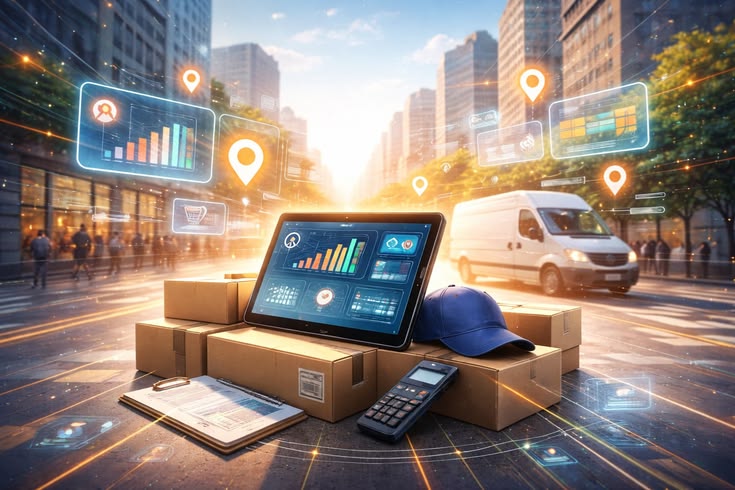
Real-time tracking refers to the continuous monitoring of shipments, vehicles, and delivery status using digital technologies. It allows businesses and customers to see live updates about a parcel’s movement from warehouse to final destination.
These systems typically rely on:
- GPS tracking systems
- Mobile delivery applications
- Cloud-based logistics platforms
- IoT sensors and devices
- Automated dispatch systems
The goal is to create full transparency across the delivery process while improving operational control.
Why Delivery Accuracy Matters in E-Commerce
Delivery accuracy is more than just timely arrival. It includes correct order fulfillment, proper routing, and successful last-mile delivery.
Key Problems Caused by Poor Delivery Accuracy
When delivery systems fail, businesses often face:
- Delayed shipments
- Incorrect deliveries
- Lost parcels
- Failed delivery attempts
- High return rates
- Increased operational costs
These issues directly impact customer trust and brand reputation.
Customer Expectations in Modern Logistics
Modern consumers expect:
- Accurate delivery timelines
- Real-time shipment updates
- Fast issue resolution
- Transparent communication
- Reliable last-mile service
Businesses that fail to meet these expectations risk losing customers to competitors.
How Real-Time Tracking Improves Delivery Performance
Real-time tracking enhances logistics operations by improving visibility, coordination, and decision-making.
Full Shipment Visibility
One of the biggest advantages of real-time tracking is complete visibility over shipments at every stage.
Businesses can monitor:
- Parcel location
- Delivery status
- Driver movement
- Route progress
- Estimated arrival times
This visibility helps logistics teams quickly identify and address potential issues.
Faster Response to Delivery Issues
Unexpected problems are common in logistics, including traffic congestion, vehicle breakdowns, and incorrect addresses.
With real-time tracking, companies can:
- Reroute delivery vehicles instantly
- Assign alternate drivers
- Update customers proactively
- Adjust delivery schedules
- Prevent delivery failures
This reduces delays and improves delivery success rates.
Improved Customer Communication
Customers value transparency during the delivery process. Real-time tracking improves communication by providing accurate updates.
Communication Improvements Include:
- Live order tracking links
- Automated SMS/email updates
- Accurate delivery time estimates
- Delivery confirmation alerts
Better communication reduces customer anxiety and improves overall satisfaction.
Key Technologies Behind Real-Time Tracking
Modern logistics systems rely on several advanced technologies working together.
GPS-Based Tracking Systems
GPS technology enables real-time location tracking of delivery vehicles.
It helps businesses:
- Monitor delivery routes
- Track driver movement
- Optimize navigation
- Improve delivery speed
GPS forms the foundation of most tracking systems.
Cloud-Based Logistics Platforms
Cloud technology allows logistics data to be stored and accessed in real time from any location.
Benefits include:
- Centralized delivery management
- Real-time data updates
- Scalability for large operations
- Better coordination between teams
Cloud systems ensure smooth communication across the entire supply chain.
Mobile Delivery Applications
Delivery drivers use mobile apps to update shipment status in real time.
These apps allow:
- Order scanning
- Delivery confirmations
- Route updates
- Instant communication with dispatch teams
Mobile integration improves accuracy and reduces manual errors.
Artificial Intelligence in Logistics
AI plays an increasingly important role in modern delivery systems.
AI Applications Include:
- Predicting delivery delays
- Optimizing delivery routes
- Automating dispatch decisions
- Analyzing traffic conditions
- Improving demand forecasting
AI helps logistics teams make faster and more accurate decisions.
Route Optimization and Delivery Efficiency
Route optimization is a major benefit of real-time tracking systems.
How Route Optimization Works
Advanced systems analyze:
- Traffic conditions
- Delivery locations
- Driver availability
- Fuel consumption
- Distance efficiency
Based on this data, the system generates the most efficient delivery routes.
Benefits of Optimized Routing
Businesses benefit from:
- Faster delivery times
- Lower fuel costs
- Reduced driver workload
- Increased delivery capacity
- Improved customer satisfaction
Efficient routing is especially important in densely populated urban areas.
Warehouse and Order Accuracy Integration
Real-time tracking is not limited to transportation. It also improves warehouse operations.
How Warehouse Systems Support Accuracy
Warehouse management systems ensure:
- Correct order picking
- Accurate packaging
- Real-time inventory updates
- Reduced human error
When integrated with tracking systems, the entire supply chain becomes more accurate and efficient.
Last-Mile Delivery Optimization
Last-mile delivery is the most critical and challenging stage of e-commerce logistics.
Common Last-Mile Challenges
- Traffic congestion
- Incorrect addresses
- Failed delivery attempts
- High delivery costs
- Communication gaps
Real-time tracking helps reduce these issues through better coordination and visibility.
Improving Last-Mile Efficiency
Businesses can improve last-mile delivery by:
- Assigning nearest drivers automatically
- Updating routes in real time
- Notifying customers instantly
- Reducing delivery windows
This leads to faster and more reliable delivery experiences.
Fleet Management and Operational Control
Fleet management systems work alongside real-time tracking to improve logistics performance.
Fleet Management Features Include:
- Vehicle tracking
- Driver behavior monitoring
- Fuel usage tracking
- Maintenance scheduling
- Performance reporting
These systems help reduce operational costs while improving efficiency.
Benefits of Real-Time Tracking for E-Commerce Businesses
Real-time tracking provides multiple advantages for online retailers and logistics providers.
Improved Delivery Accuracy
Better visibility reduces errors and ensures correct deliveries.
Higher Customer Satisfaction
Customers receive accurate updates and timely deliveries.
Reduced Operational Costs
Optimized routes and fewer failed deliveries lower costs.
Better Decision-Making
Real-time data helps businesses improve logistics strategies.
Stronger Brand Reputation
Reliable delivery builds trust and long-term customer loyalty.
Challenges in Implementing Real-Time Tracking
Despite its benefits, implementation can present certain challenges.
Technology Costs
Setting up tracking systems may require investment in:
- Software platforms
- GPS devices
- Mobile applications
- Integration tools
Data Security Concerns
Logistics systems handle sensitive customer and operational data, requiring strong cybersecurity measures.
System Integration Issues
Businesses may face difficulties integrating tracking systems with existing ERP or warehouse systems.
Training Requirements
Employees and drivers need proper training to use digital tools effectively.
The Future of E-Commerce Logistics
The logistics industry is evolving rapidly with new technologies shaping the future of delivery systems.
Future Trends Include:
- AI-powered logistics automation
- Drone-based deliveries
- Autonomous delivery vehicles
- Smart warehouses
- Predictive logistics systems
- Blockchain-based tracking verification
These innovations will make delivery systems faster, more accurate, and more efficient.
Conclusion
Real-time tracking has become a vital tool for improving e-commerce delivery accuracy. By providing live visibility, optimizing routes, enhancing communication, and reducing operational errors, it significantly improves logistics performance.
Modern technologies such as GPS tracking, cloud computing, artificial intelligence, and mobile delivery systems are transforming how businesses manage their supply chains. These tools ensure that customers receive faster, more reliable, and more transparent delivery experiences.
Although challenges such as implementation costs and system integration exist, the long-term benefits of real-time tracking far outweigh the difficulties. Businesses that invest in smart logistics solutions today will be better positioned to compete in the rapidly evolving e-commerce landscape.