How Weather Conditions Affect Inflatable Games and Their Setup
Inflatable games are popular attractions at birthday parties, school events, festivals, corporate gatherings, and outdoor celebrations. They provide interactive entertainment for guests of different ages and can make an event more memorable. However, weather conditions play an important role in determining how these attractions should be installed, operated, and maintained. Wind, rain, extreme heat, cold temperatures, and humidity can all affect the performance and safety of inflatable equipment.

Understanding how weather influences setup and operation helps event organizers prepare effectively and reduce unnecessary risks. By selecting suitable equipment, monitoring forecasts, and following manufacturer instructions, organizers can create a safer and more enjoyable experience for participants.

How Wind Affects Inflatable Games
Wind is one of the most important weather factors to consider when setting up inflatable attractions outdoors. Even when an inflatable structure appears stable, strong or sudden gusts can place significant pressure on its surface and anchoring system. This can increase the risk of movement, instability, or tipping.
Before installing inflatable equipment, organizers should check local weather forecasts and assess the conditions at the venue. Wind can behave differently in open fields, between buildings, and near trees, so the surrounding environment also matters.
To reduce wind-related risks, event organizers should:
- Secure the inflatable using the anchoring system specified by the manufacturer.
- Install the equipment on suitable ground with enough space around it.
- Monitor wind conditions throughout the event.
- Follow the manufacturer’s maximum permitted wind speed.
- Stop use and deflate or secure the equipment when conditions exceed the permitted limits.
Anchoring should never be treated as a guarantee of safety during severe weather. If wind conditions become unsafe, the attraction should be closed immediately and handled according to the manufacturer’s shutdown procedures.
The Impact of Rain on Inflatable Games
Rain can create several challenges for outdoor inflatable attractions. Water may make climbing surfaces, slides, entrances, and surrounding ground slippery. This increases the possibility of slips and falls, particularly when children are moving quickly or playing in groups.
Heavy rainfall can also cause water to collect around the equipment, potentially affecting electrical connections, blower placement, and the stability of the installation area. Wet ground may weaken the holding capacity of some anchors, depending on the soil type and installation method.
When rain is forecast, organizers should evaluate whether the event can proceed safely. Light rain does not automatically make every inflatable unsafe, but equipment should only operate in wet conditions when the manufacturer explicitly permits it.
Useful precautions include:
- Checking drainage and ground conditions before installation.
- Keeping electrical blowers, plugs, and connections protected as specified by the manufacturer.
- Preventing water from accumulating on or around the inflatable.
- Closing attractions when surfaces become dangerously slippery.
- Following approved drying and cleaning procedures before storing the equipment.
If thunderstorms or lightning are present, outdoor inflatable attractions should be closed, and participants should move to an appropriate safe shelter. Equipment should not be used again until conditions are safe and the manufacturer’s restart procedures have been followed.
How Extreme Heat Affects Inflatable Equipment
Hot weather can affect both the equipment and the people using it. Direct sunlight can heat inflatable surfaces, making certain areas uncomfortable or potentially hot enough to cause skin discomfort. High temperatures can also increase the risk of dehydration, overheating, and heat exhaustion among participants and staff.
The effect on the inflatable itself depends on its materials, construction, color, and operating conditions. Heat may contribute to material stress over time, while the blower and electrical equipment must continue operating within their specified limits.
To prepare for hot weather, organizers should consider the following measures:
- Position the inflatable in a suitable shaded area when possible and permitted.
- Check surface temperatures before allowing participants to enter.
- Provide drinking water and shaded rest areas.
- Schedule breaks during the hottest part of the day.
- Monitor children for signs of overheating and stop activities when necessary.
- Follow manufacturer guidance on temperature limits, airflow, and equipment operation.
Shade can help reduce direct solar heating, but it does not eliminate the risks associated with high ambient temperatures. Event organizers should assess both equipment conditions and participant comfort throughout the event.
Cold Weather and Its Effect on Setup
Cold temperatures can influence the flexibility and handling of inflatable materials. Depending on the material and manufacturer specifications, very low temperatures may make some components less flexible or more vulnerable to damage during handling. Cold conditions can also affect the comfort and safety of participants.
Before setting up an inflatable during cooler weather, organizers should check the product’s permitted operating temperature range. Equipment should be transported, unfolded, inflated, and packed away according to the manufacturer’s instructions.
Additional precautions include:
- Inspecting the material, seams, anchor points, and connections before use.
- Avoiding rough handling when the material is cold.
- Keeping access areas clear of frost, ice, and other slippery substances.
- Providing warm clothing and suitable breaks for participants.
- Avoiding operation outside the manufacturer’s temperature limits.
Cold-weather operation should never be assumed safe simply because the inflatable can still be inflated. The equipment must remain within its approved operating conditions.
Humidity and Damp Conditions
Humidity is another factor worth considering, especially at outdoor events in tropical or coastal climates. High humidity can make hot weather feel more uncomfortable because sweat evaporates less efficiently, increasing the risk of heat-related illness.
Moisture can also remain on equipment after rain, overnight condensation, or cleaning. If an inflatable is packed away while damp, it may develop unpleasant odors, mildew, or mold during storage. These problems can shorten the equipment’s useful life and create additional cleaning requirements.

To manage humidity and moisture effectively, organizers should inspect the equipment regularly, remove standing water where permitted, and allow the material to dry completely before long-term storage. Cleaning and drying procedures should follow the manufacturer’s recommendations.
Choosing the Right Location for Weather Protection
The location of an inflatable attraction can significantly affect how well it performs in changing weather. A suitable site should offer stable ground, adequate drainage, enough clearance, and access to appropriate power supplies when required.
Before installation, organizers should assess the area for potential hazards, including exposed electrical cables, uneven surfaces, overhead branches, nearby traffic, and areas prone to flooding. They should also consider whether the site offers suitable shelter from direct sunlight without introducing other risks.
When planning an outdoor event, choose a location that allows staff to monitor weather conditions and close the attraction quickly if necessary. The equipment must still be installed according to the manufacturer’s requirements, regardless of whether the site is sheltered.
Selecting Inflatable Games for Different Weather Conditions
Different inflatable attractions may have different operating requirements. Slides, obstacle courses, sports challenges, and interactive structures can vary in size, shape, surface design, anchoring needs, and sensitivity to wind or moisture.
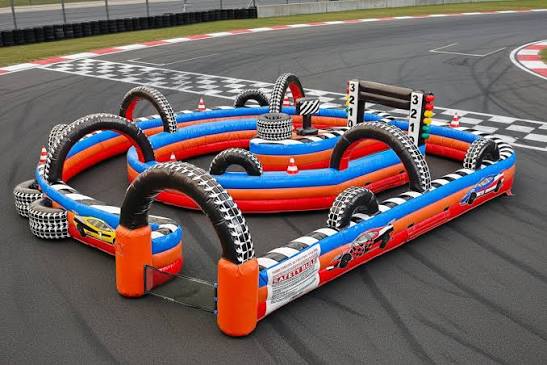
When comparing Inflatable Games, event planners should consider more than appearance and entertainment value. The intended venue, expected weather, participant age range, and available supervision should all influence the selection.
For example, an outdoor obstacle course may require substantial space and a carefully planned anchoring arrangement. An inflatable sports challenge may need additional clearance around its playing area. A structure with climbing or sliding surfaces may require particular attention to moisture and surface conditions.
Before purchasing or renting equipment, ask the supplier about its intended use, permitted weather conditions, installation requirements, and maintenance procedures. Choosing equipment suited to the planned environment can make event preparation more straightforward.
Weather-Related Safety Checks Before Opening
A weather assessment should be part of the standard setup routine for every outdoor inflatable attraction. Checking the forecast once in the morning is not enough because conditions can change quickly during an event.
A practical pre-opening inspection should cover the following areas:
- Weather forecast: Review expected wind, rain, lightning, temperature, and severe-weather warnings.
- Anchoring: Confirm that all required anchors and restraints are installed correctly.
- Ground conditions: Check for soft soil, standing water, uneven surfaces, and slippery access areas.
- Equipment condition: Inspect seams, material, blower connections, and other components for visible damage.
- Electrical safety: Ensure power equipment and connections are positioned and protected according to the manufacturer’s instructions.
- Supervision: Assign trained staff to monitor participants, equipment, and changing conditions.
- Emergency procedures: Establish clear instructions for closing the attraction and moving participants to safety.
These checks should be repeated when weather changes and whenever the equipment is moved, adjusted, or restarted after a shutdown.
Creating a Backup Plan for Unpredictable Weather
Even careful planning cannot eliminate every weather-related disruption. A backup plan allows event organizers to respond quickly without compromising participant safety.
For events with a flexible schedule, organizers may arrange an alternative indoor activity, relocate certain games to an approved sheltered area, or reschedule outdoor attractions when conditions become unsuitable. However, an indoor or covered location is not automatically appropriate for every inflatable. Ceiling height, ventilation, clearances, flooring, anchoring options, and power requirements must all be checked before moving equipment.
Event teams should also decide in advance who has the authority to stop an attraction. Clear responsibilities prevent confusion when wind increases, lightning approaches, or rain makes surfaces unsafe.
Communication is equally important. Staff should know how to inform guests about temporary closures, alternative activities, and restart decisions. Equipment should only reopen after a competent assessment confirms that the manufacturer’s operating requirements are met.
Maintaining Inflatable Games After Bad Weather
Weather-related care does not end when an attraction closes. Following exposure to rain, heat, dust, or strong winds, equipment should be inspected before its next use.
Look for tears, loose stitching, damaged anchor points, worn restraints, electrical problems, and signs of water damage. Any equipment with suspected structural or electrical damage should remain out of service until it has been assessed and repaired by a qualified person.
After wet conditions, follow the manufacturer’s cleaning and drying instructions before folding and storing the inflatable. Store it in a clean, dry location away from excessive heat, moisture, and sharp objects.
Keeping records of inspections, repairs, and weather-related shutdowns can also help event operators identify recurring problems and improve future setup procedures.
Conclusion
Weather conditions have a direct influence on the safety, performance, and maintenance of inflatable attractions. Wind can threaten stability, rain can create slippery surfaces, extreme heat can affect equipment and participants, and cold or damp conditions may introduce additional handling and storage challenges.
Successful event planning starts with choosing suitable equipment, checking weather forecasts, preparing the installation area, and following manufacturer instructions. Regular inspections, trained supervision, and a clear shutdown plan are equally important. By treating weather management as an essential part of event preparation, organizers can reduce risks, protect their equipment, and create a more enjoyable experience for everyone.