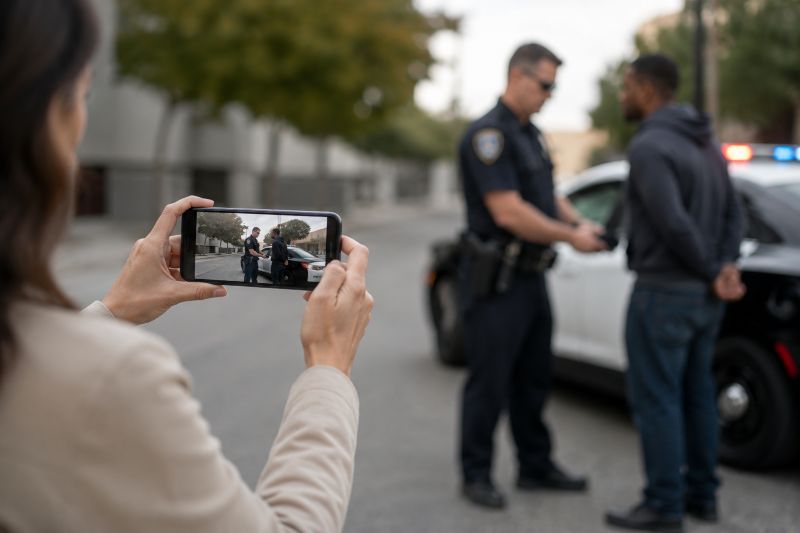
Interactions with law enforcement can be stressful, especially when emotions run high and questions about legal rights arise. In recent years, public recordings of police encounters have become an important tool for accountability, transparency, and evidence preservation. Videos captured by bystanders and citizens have played a significant role in exposing misconduct, clarifying disputed events, and protecting constitutional rights.
For residents concerned about police brutality in Victorville CA, understanding when and how you can legally record police officers is essential. While California law generally permits recording police performing their duties in public, there are important legal boundaries that every person should understand before pressing the record button.
This guide explains your rights, potential legal limitations, and practical steps for documenting police encounters safely and lawfully.
Understanding Your Right to Record Police in California
The right to record police officers performing official duties in public is largely protected under the First Amendment of the United States Constitution.
Courts across the country have recognized that citizens have a legitimate interest in documenting government officials, including law enforcement officers, when they are carrying out their public responsibilities. Recording can help preserve evidence, promote transparency, and protect both officers and civilians from false accusations.
In California, citizens generally have the right to:
- Record police officers in public places
- Photograph law enforcement activities visible from public areas
- Film traffic stops from a safe distance
- Capture arrests occurring in public view
- Record interactions involving themselves and law enforcement
However, these rights are not unlimited. Certain actions can still result in criminal charges if the recording interferes with police duties or violates privacy laws.
California’s Recording Laws Explained
California Is a Two-Party Consent State
One area that creates confusion is California’s wiretapping and recording laws.
California is considered a two-party consent state under Penal Code Section 632. This law generally prohibits recording confidential conversations without the consent of all parties involved.
However, police interactions occurring in public are usually not considered confidential communications. If an officer is conducting official duties in a public setting where others can hear the conversation, recording is typically lawful.
Examples that are generally permissible include:
- Recording a traffic stop from a nearby sidewalk
- Filming an arrest in a public park
- Capturing police activity on a public street
- Recording officers responding to a public disturbance
The key factor is whether there is a reasonable expectation of privacy.
Public vs. Private Settings
Recording police in public spaces is usually legal because there is little expectation of privacy.
By contrast, secretly recording conversations in private settings may raise legal concerns.
Examples of public settings include:
- Sidewalks
- Streets
- Public parks
- Government buildings open to the public
Examples where privacy concerns may arise include:
- Private residences
- Closed offices
- Private meeting rooms
- Certain restricted government facilities
Understanding this distinction can help you avoid unintentionally violating California recording laws.
What You Cannot Do While Recording Police
Having the right to record does not mean you can interfere with law enforcement operations.
Avoid Physical Interference
California law prohibits obstructing or delaying police officers while they perform their duties.
When recording, avoid:
- Standing too close to officers
- Entering secured crime scenes
- Crossing police barriers
- Interrupting investigations
- Ignoring lawful commands regarding safety zones
Courts generally support a citizen’s right to record, but they also recognize an officer’s authority to maintain public safety.
Do Not Resist Orders Related to Safety
If an officer instructs you to move back for safety reasons, compliance is often the safest course of action.
You can continue recording from a lawful distance while preserving evidence of the encounter.
Maintaining a respectful distance reduces the risk of allegations that you interfered with official duties.
Avoid Escalating the Situation
The purpose of recording should be documentation, not confrontation.
Remain calm and avoid:
- Yelling at officers
- Making threats
- Provoking conflict
- Physically inserting yourself into police activity
A professional and non-confrontational approach helps ensure that your recording remains useful and credible.
Can Police Order You to Stop Recording?
In most circumstances, police officers cannot lawfully require citizens to stop recording activities occurring in public view.
Courts have repeatedly recognized that recording public officials performing public duties is generally protected activity.
However, officers may impose reasonable restrictions when necessary to:
- Protect public safety
- Secure crime scenes
- Prevent interference with investigations
- Manage emergency situations
If instructed to move, you may usually continue recording from a lawful location.
Can Police Delete Your Videos?
No.
Police officers generally cannot force you to delete recordings without proper legal authority.
Deleting evidence without legal justification may violate constitutional protections.
If an officer demands deletion of footage, it is often advisable to remain calm, avoid confrontation, and consult a qualified attorney as soon as possible.
What If Police Take Your Phone?
The Fourth Amendment protects individuals against unreasonable searches and seizures.
Generally, law enforcement officers cannot access the contents of your phone without:
- Your consent
- A valid search warrant
- Specific legal exceptions recognized by law
The United States Supreme Court has emphasized the strong privacy protections associated with modern smartphones.
If your device is seized, avoid physically resisting. Instead, document the circumstances and seek legal guidance immediately.
Best Practices for Recording Police Safely
Use Your Phone’s Video Function
Video often provides the clearest and most complete record of an interaction.
Whenever possible:
- Hold the phone steadily
- Capture the entire encounter
- Include surrounding context
- Avoid excessive zooming
Continuous footage may provide stronger evidence than fragmented clips.
Record From a Safe Distance
Maintaining distance protects both your safety and your legal rights.
A safe recording position can help prevent accusations that you interfered with police operations.
Consider Cloud Storage
Many modern smartphones automatically upload recordings to cloud services.
This can preserve important evidence if a device is lost, damaged, or confiscated.
Narrate Key Details
If safe to do so, state:
- Date and time
- Location
- Names or badge numbers when visible
- Events occurring during the encounter
These details may become valuable later.
Real-World Example: The Importance of Video Evidence
Numerous high-profile cases nationwide have demonstrated the importance of citizen-recorded video.
In several incidents involving allegations of excessive force, recordings provided crucial evidence that clarified disputed facts and informed investigations.
Without video documentation, many cases would have relied solely on conflicting witness statements.
For individuals concerned about police brutality in Victorville CA, preserving objective evidence can significantly strengthen a future legal claim if misconduct occurs.
Video footage may assist attorneys, investigators, courts, and oversight agencies in determining what actually happened.
What to Do If You Experience Police Misconduct
Preserve All Evidence
Save:
- Video recordings
- Photographs
- Witness contact information
- Medical records
- Police reports
- Written notes about the incident
Evidence gathered immediately after an event is often the most reliable.
Seek Medical Attention
If injuries occurred, obtain medical evaluation promptly.
Medical records may serve as important evidence in a civil rights claim.
Avoid Discussing the Incident Publicly
While sharing experiences online may be tempting, public statements can sometimes complicate legal proceedings.
Consulting an attorney before making extensive public comments is often advisable.
Contact an Experienced Civil Rights Attorney
Cases involving excessive force, unlawful detention, false arrest, or constitutional violations can be complex.
An attorney can evaluate the facts, preserve evidence, and determine whether legal action may be appropriate.
How Legal Representation Can Help
When allegations of police brutality in Victorville CA arise, legal guidance can make a significant difference.
An experienced attorney may help:
- Investigate officer conduct
- Obtain official records
- Preserve critical evidence
- Identify constitutional violations
- Pursue compensation when appropriate
- Protect your legal rights throughout the process
Because law enforcement agencies often have substantial resources and legal representation, having a trusted advocate on your side can be invaluable.
Conclusion
Recording police officers in California is generally legal when conducted in public settings and without interfering with official duties. Understanding the difference between lawful documentation and unlawful interference is critical to protecting both your rights and your safety.
Whether you are documenting a routine traffic stop or gathering evidence related to suspected police misconduct, following best practices can help ensure that your recordings remain legally protected and useful if questions arise later.
For individuals concerned about police brutality in Victorville CA, knowledge of your rights can be one of the most effective tools for promoting accountability and protecting yourself during interactions with law enforcement.
James S. Terrell Law Office assists individuals facing complex civil rights and police misconduct matters, helping clients understand their options and pursue justice when their rights have been violated.