How to Keep a Muslim Wudu Sink Clean and Hygienic in Shared Spaces
Maintaining a clean ablution area is essential in mosques, Islamic centers, workplaces, and other shared facilities. Because many people use these spaces throughout the day, water residue, soap deposits, and dirt can accumulate quickly around basins, faucets, and floors. A consistent cleaning routine helps preserve hygiene, reduce unpleasant odors, and create a more comfortable environment for everyone.

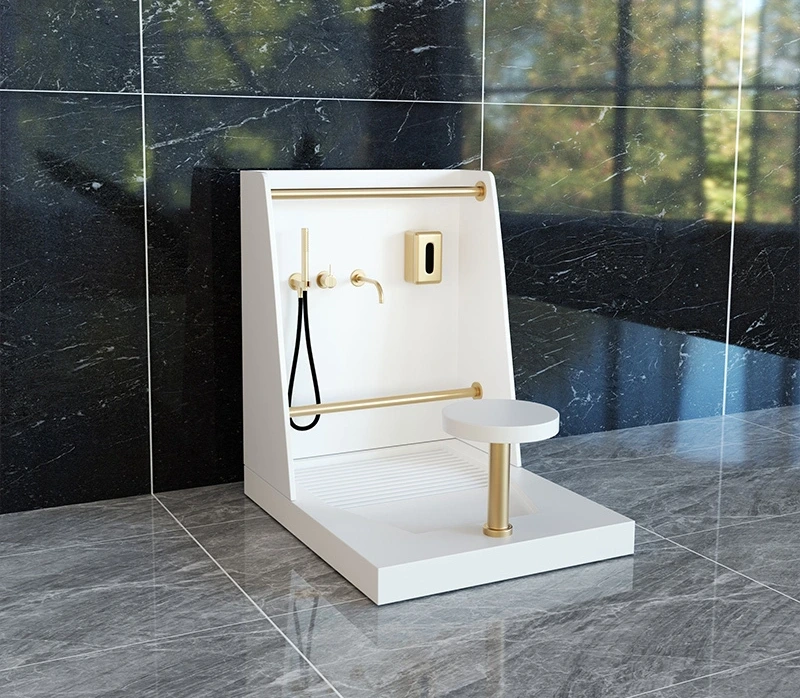
A well-maintained Muslim Wudu Sink should be easy to clean, resistant to frequent water exposure, and supported by an effective maintenance schedule. With suitable cleaning products, regular inspections, and responsible daily use, facility managers can keep shared ablution areas hygienic and functional over the long term.

1. Establish a Regular Cleaning Schedule
The first step toward maintaining hygiene is creating a cleaning schedule that matches the number of people using the facility. A small residential prayer area may require less frequent attention than a mosque serving large congregations throughout the day.
A practical schedule should divide cleaning into daily tasks and more detailed periodic maintenance.
Daily cleaning tasks
Staff or designated cleaners should regularly:
- Remove visible dirt, soap residue, and water deposits from the basin.
- Wipe faucets, handles, and frequently touched surfaces.
- Check that drains are flowing freely.
- Remove standing water from surrounding surfaces.
- Clean floor areas where splashing commonly occurs.
- Empty nearby waste bins and check for unpleasant odors.
During periods of heavy use, additional checks may be necessary between prayer times. Quickly removing visible residue and standing water can make the area more comfortable and reduce slipping risks.
Weekly and periodic maintenance
More detailed cleaning should include inspecting drain openings, checking sealant around the basin, and looking for mineral deposits in difficult-to-reach areas. Facility managers should also check plumbing connections and faucet performance.
The schedule should be adjusted according to actual use rather than relying on a fixed routine that may not meet the facility’s needs.
2. Choose Cleaning Products Suitable for the Sink Material
Different sink materials respond differently to cleaning chemicals and abrasive tools. Using an unsuitable product can dull the finish, damage protective coatings, or cause permanent staining.
Ceramic and porcelain
Ceramic and glazed porcelain basins are generally straightforward to clean. A soft cloth or non-abrasive sponge and a mild bathroom cleaner are usually sufficient for routine maintenance.
For mineral deposits, use a product approved for the specific finish. Avoid abrasive powders or harsh tools that may scratch the surface.
Solid-surface materials
Solid-surface sinks should be cleaned according to the manufacturer’s recommendations. Mild, non-abrasive products are often suitable for everyday care, but specific formulations may have different requirements.
Some solid-surface products allow minor scratches to be repaired, although the appropriate method depends on the material and finish.
Natural stone
Natural stone may require specialized cleaners and periodic sealing, depending on the type of stone. Acidic products can etch some surfaces, particularly marble, so ordinary bathroom descalers should not be used unless the stone manufacturer confirms they are suitable.
Stainless steel
Stainless-steel basins should generally be cleaned with a soft cloth and a compatible cleaner. Avoid steel wool and abrasive pads that can scratch the surface. Rinse away cleaning residues and dry the basin when necessary to reduce water marks.
For every material, follow the manufacturer’s instructions and never mix cleaning chemicals, particularly bleach with acids or ammonia-based products.
3. Clean Faucets and Handles Carefully
Faucets and handles are frequently touched and can accumulate fingerprints, water spots, and mineral deposits. Keeping these components clean is an important part of maintaining a shared ablution area.
Wipe faucet surfaces regularly with a soft cloth and a compatible cleaning solution. Pay attention to the base of the faucet, joints, handles, and other places where moisture and residue can collect.
If mineral deposits build up around the outlet, use a descaling product approved for the faucet’s finish. Avoid scraping deposits with sharp tools because this can damage the coating.
Facility managers should also check for leaks, loose handles, and inconsistent water flow. Prompt repairs help prevent water waste and reduce the chance of moisture accumulating beneath or behind the fixture.
4. Prevent Standing Water and Slippery Floors
A clean basin is only part of a hygienic ablution area. Water that collects around the sink can encourage residue buildup and create a serious slipping hazard.
After cleaning, remove excess water from nearby surfaces using appropriate tools. Check corners, the area beneath wall-mounted basins, and locations around foot-washing stations where water may collect.
Flooring should be suitable for wet environments and provide appropriate slip resistance. Cleaning staff should avoid leaving soapy residue on the floor because it can make the surface more slippery.
Drainage also deserves regular attention. If water begins to drain slowly, investigate the cause rather than repeatedly pouring chemicals into the system. Removing accessible debris or arranging professional plumbing maintenance may be necessary.
Where floor drains are installed, keep the openings clear and ensure that surrounding surfaces direct water toward them as intended.
5. Maintain Proper Drain Hygiene
Drain openings can collect hair, dust, soap residue, and other debris. Over time, this buildup may restrict water flow and contribute to unpleasant odors.
A regular drain-cleaning routine should include removing visible debris and checking that water flows away efficiently. Use cleaning tools and products suitable for the installed plumbing system.
Avoid combining chemical drain cleaners with other cleaning agents. Some products can react dangerously when mixed, and repeated use of aggressive chemicals may damage certain pipes or fittings.
If a drain remains blocked, emits persistent odors, or causes water to back up, contact a qualified plumber. A professional can determine whether the problem involves a blockage, an unsuitable trap arrangement, or another plumbing issue.
6. Use Appropriate Hygiene Practices in Shared Facilities
Shared ablution areas benefit from simple hygiene practices that make the space more pleasant for all users.

Provide accessible waste bins for disposable items and ensure that they are emptied regularly. Cleaning equipment should be stored away from the washing area, and cloths used for toilets or floors should not be reused on basins and faucets without proper cleaning and disinfection.
Where disinfection is appropriate, use a product approved for the surface and follow its label instructions, including the required contact time. Cleaning should generally remove visible dirt before disinfection is carried out.
Good ventilation can also help surfaces dry and reduce persistent dampness. However, ventilation does not replace regular cleaning or repairs to leaks and drainage problems.
Clear signage can remind visitors to leave the area tidy and report plumbing issues. These small measures can support a consistent maintenance routine.
7. Pay Extra Attention During Busy Prayer Times
Mosques and Islamic centers may experience sharp increases in usage before and after congregational prayers, particularly on Fridays and during Ramadan.
A maintenance plan should account for these busy periods. Assign staff or volunteers to check the washing area before high-use periods, inspect it during intervals when practical, and clean it afterward.
Prioritize the areas that become wet or dirty most quickly, including basin rims, faucets, foot-washing sections, and walking routes. Ensure that wet-floor warnings are used whenever necessary and that users can access an alternative washing position if an area needs temporary cleaning.
Facilities with several stations may benefit from a simple inspection checklist so that no basin or drainage point is overlooked.
8. Inspect Sealant, Joints, and Plumbing Connections
Cleaning alone cannot prevent damage caused by deteriorating sealant or leaking pipes. Regular inspections help identify problems before they affect surrounding walls, floors, or cabinetry.
Check the joints between the sink and the wall or countertop. Look for cracked sealant, loose fittings, water stains, and signs of moisture beneath the basin.
Replace damaged sealant using a product appropriate for the surface and wet-area application. If a leak originates from a pipe or concealed connection, arrange professional repairs rather than relying on surface sealant to hide the problem.
For wall-mounted sinks, periodically verify that the fixture remains stable and that its mounting hardware shows no signs of movement or damage. Any structural or plumbing repairs should follow the manufacturer’s specifications and applicable building requirements.
9. Select Materials and Fixtures That Simplify Maintenance
The original design of a shared ablution area can significantly affect how easy it is to keep clean.
Smooth, durable basin surfaces generally make routine wiping easier. Fixtures with accessible drain fittings and fewer difficult-to-reach gaps can also simplify maintenance.
When choosing a sink for a high-use facility, consider:
- Resistance to frequent cleaning and moisture exposure.
- Compatibility with commonly available cleaning products.
- Ease of accessing faucets, traps, and drainage components.
- Availability of replacement parts.
- Surface finishes that do not require unusually complicated care.
- A basin shape that limits excessive splashing.
- Flooring and wall finishes suitable for wet environments.
The lowest initial purchase price does not always result in the lowest long-term cost. A durable fixture that is easy to clean and repair may reduce maintenance time and replacement expenses.
10. Common Cleaning Mistakes to Avoid
Several cleaning practices can undermine hygiene or damage the fixture.
Using abrasive tools: Steel wool, rough scouring pads, and abrasive powders may scratch or dull certain finishes.
Mixing chemicals: Combining bleach with acidic or ammonia-based products can release dangerous gases.
Ignoring drainage problems: Slow drainage and persistent odors may indicate a blockage or plumbing issue that routine surface cleaning will not solve.
Leaving wet floors unattended: Standing water can increase slipping risks and make the area uncomfortable for visitors.
Using one cloth for every surface: Cleaning tools used on floors or toilets should not be transferred to basins and faucets without appropriate laundering or disinfection.
Neglecting hidden areas: The underside of the sink, faucet bases, drain surrounds, and sealant joints can collect moisture and residue.
Skipping inspections: Small leaks and damaged joints can cause more extensive problems when left unrepaired.
A clear cleaning procedure helps staff avoid these mistakes and maintain consistent standards.
11. Create a Simple Maintenance Checklist
Facility managers can use a checklist to track routine cleaning and identify repairs.
Daily
- Clean the basin and faucet surfaces.
- Remove visible dirt and soap residue.
- Check that drains are functioning properly.
- Remove standing water from walking areas.
- Empty waste bins and check for odors.
Weekly
- Inspect drain openings and accessible fittings.
- Clean areas around faucet bases and basin joints.
- Check for mineral deposits and surface damage.
- Inspect floors and nearby walls for persistent moisture.
- Confirm that cleaning supplies are stored safely.
Periodically
- Review sealant and plumbing connections.
- Arrange repairs for leaks, blockages, or loose fixtures.
- Inspect mounting hardware where accessible and appropriate.
- Review whether the cleaning schedule matches actual usage.
- Replace damaged components according to manufacturer guidance.
The exact frequency should reflect the facility’s traffic, materials, and maintenance requirements.
Conclusion
Keeping a Muslim wudu sink clean and hygienic in shared spaces requires consistent cleaning, suitable products, effective drainage, and regular inspections. The most effective approach addresses the entire washing area, including the basin, faucets, drains, floors, and surrounding joints.
By adapting the cleaning schedule to the number of users, following material-specific care instructions, and repairing problems promptly, facility managers can maintain a safer and more comfortable environment. Thoughtful fixture selection and clear maintenance procedures also help extend the service life of the installation while supporting the needs of everyone who uses the ablution area.