
In industrial manufacturing, even the smallest components can make a significant difference to the performance, safety, and durability of a finished product. Fasteners are essential mechanical components that hold parts together in machinery, automotive systems, construction structures, electrical equipment, and numerous other applications. Selecting the right fastening solution helps improve assembly reliability, reduce maintenance requirements, and support long-term operational performance.

However, choosing suitable fasteners involves more than comparing prices. Material selection, dimensions, load requirements, operating conditions, corrosion resistance, and manufacturing quality all influence the final decision. Businesses that understand these factors can make better purchasing decisions and build stronger relationships with reliable suppliers.
Understanding the Importance of Industrial Fasteners
Industrial fasteners are mechanical components used to join, secure, position, or retain different parts of an assembly. Depending on the application, they may be designed for permanent connections or joints that require regular inspection and disassembly.
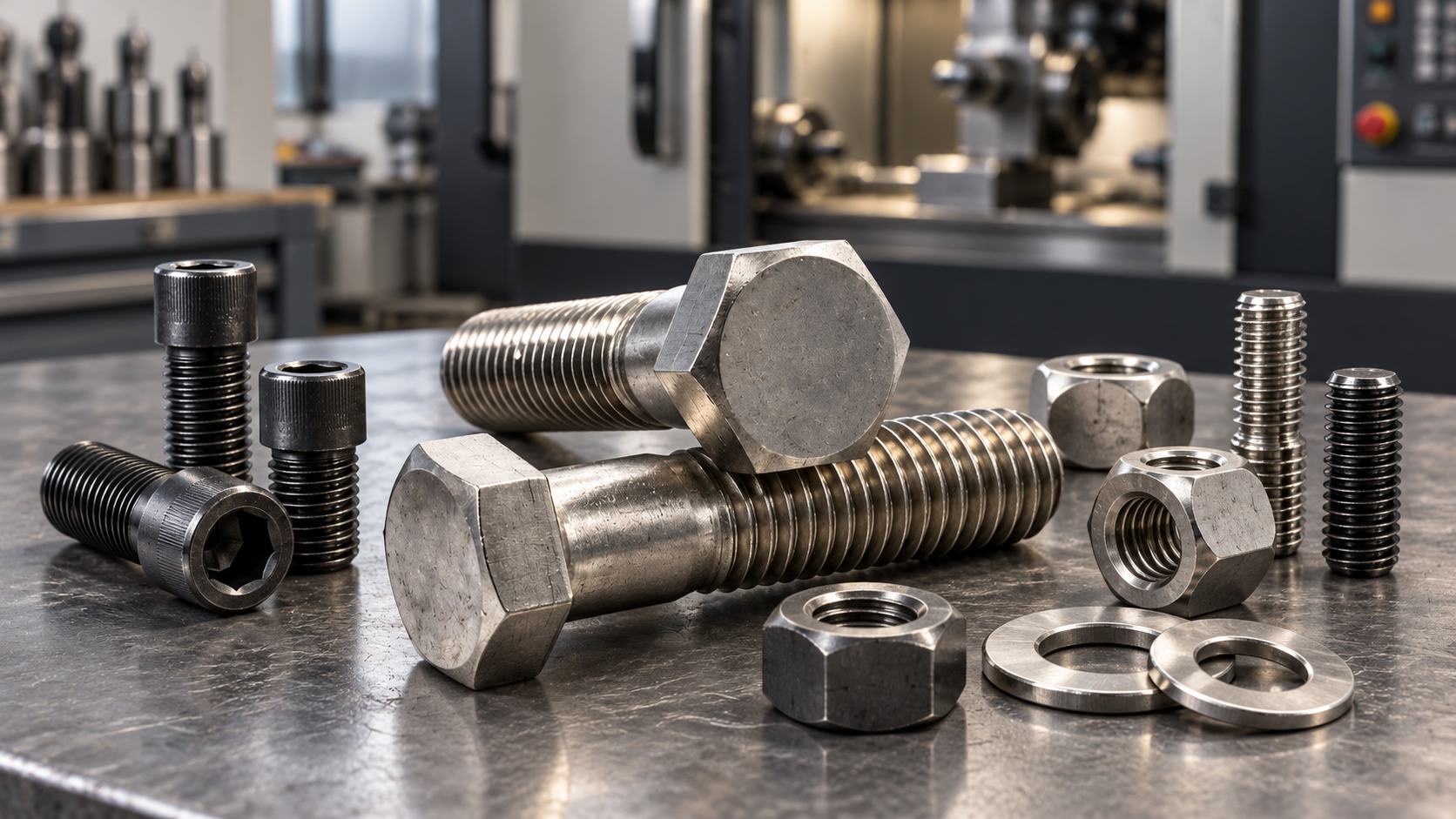
Common types include bolts, nuts, screws, washers, circlips, dowel pins, rivets, and other precision-engineered fastening components. Each product serves a specific purpose, so selecting the correct type is essential for achieving the required mechanical performance.
For example, bolts and nuts are widely used where strong clamping force is required. Screws provide practical fastening options for different materials and assemblies, while washers help distribute loads and protect contact surfaces. Circlips retain components on shafts or inside housings, whereas dowel pins support accurate alignment between mating parts.
Businesses sourcing industrial fasteners should evaluate the requirements of their particular applications before finalizing product specifications.
Why Choosing the Right Supplier Matters
A dependable supplier can help businesses maintain consistent production schedules and reduce sourcing complications. Beyond product availability, buyers should consider technical support, specification accuracy, order consistency, documentation, delivery commitments, and the ability to handle repeat requirements.
Working with an experienced Fasteners Manufacturer can help procurement teams identify suitable product options and communicate technical requirements more effectively. For specialized projects, it is particularly important to confirm whether the supplier can meet the required dimensions, material grades, tolerances, finishes, and applicable standards.
Before placing a bulk order, businesses should review product samples where appropriate, verify documentation, and clarify acceptance criteria. These steps help reduce misunderstandings and support a more reliable purchasing process.
Applications Across Industrial Sectors
Fasteners are used throughout modern manufacturing and infrastructure development. In automotive production, they secure assemblies and support serviceable connections. Construction projects rely on appropriate fastening systems for structural and non-structural applications, subject to engineering specifications.
Industrial machinery manufacturers use bolts, nuts, screws, washers, and locating components during equipment assembly. Electrical and electronics manufacturers may require smaller precision components, while agricultural machinery and material-handling equipment often need fastening solutions suited to demanding operating environments.
The correct selection depends on the actual application, including vibration, temperature, moisture, accessibility, maintenance requirements, and expected service life. A component suitable for one industry may not automatically be suitable for another.
How Businesses Can Improve Fastener Procurement
A structured purchasing process helps organizations control costs without compromising quality.

First, establish clear specifications for every required component. These should include dimensions, material, strength grade, finish, applicable standards, and any testing or documentation requirements.
Second, evaluate suppliers using consistent criteria. Compare technical suitability, quality assurance procedures, delivery reliability, communication, and total cost rather than focusing exclusively on the quoted unit price.
Third, maintain traceable purchasing records and approved specifications. This is particularly useful for repeat orders, maintenance programs, and applications where component consistency is essential.
Finally, review performance regularly. Tracking rejected components, delivery delays, and recurring quality issues can help procurement teams identify areas for improvement and develop more effective supplier relationships.
Frequently Asked Questions About Fasteners
What Are Fasteners and Why Are They Important?
Fasteners are mechanical components used to join, secure, or retain two or more parts in an assembly. Common examples include bolts, nuts, screws, washers, circlips, and dowel pins. They are essential in automotive manufacturing, construction, industrial machinery, and many other sectors because they help maintain structural integrity and support reliable assembly.
How Do I Choose the Right Fasteners for an Industrial Application?
To choose the right fasteners, consider the required dimensions, material, strength grade, load conditions, corrosion resistance, and operating environment. You should also check applicable engineering specifications and industry standards. For critical applications, consult a qualified engineer to confirm that the selected component meets the required safety and performance criteria.
What Should I Look for in a Fasteners Manufacturer?
A reliable Fasteners Manufacturer should demonstrate consistent manufacturing quality, accurate dimensions, suitable material options, and compliance with applicable specifications. Buyers should also evaluate inspection procedures, technical support, delivery reliability, and the availability of material test reports or other required documentation before placing an order.
Which Materials Are Commonly Used to Manufacture Fasteners?
Common materials include carbon steel, alloy steel, stainless steel, brass, aluminium, and certain engineering plastics. The best choice depends on the application’s mechanical requirements, exposure to moisture or chemicals, temperature, and compatibility with the connected components. Surface treatments may also be necessary to achieve the desired corrosion resistance.
Why Are Quality Standards Important When Purchasing Industrial Fasteners?
Quality standards help establish consistent requirements for dimensions, materials, mechanical properties, and manufacturing tolerances. Depending on the application, buyers may specify relevant ISO, DIN, ASTM, or Indian Standards. Confirming the applicable standard and reviewing supporting documentation helps procurement teams assess whether supplied fasteners meet their technical requirements.
Can Industrial Fasteners Be Customized for Specific Requirements?
Yes. Depending on the manufacturer’s capabilities, industrial fasteners may be available in customized dimensions, materials, thread configurations, surface finishes, and other specifications. Buyers should provide technical drawings, required tolerances, material grades, and application details so the manufacturer can evaluate feasibility and confirm the appropriate solution.
Where Can I Find Industrial Fasteners in India?
Businesses can source industrial fasteners through manufacturers, authorized distributors, and specialized industrial suppliers. Compare product specifications, quality documentation, manufacturing capabilities, pricing, and delivery commitments before choosing a supplier. You can also explore EASCO’s industrial fasteners range to review relevant fastening solutions for your requirements.
Conclusion
Selecting the right fasteners is an important part of building reliable industrial products and assemblies. Material compatibility, mechanical requirements, dimensional accuracy, manufacturing quality, and supplier performance should all contribute to the purchasing decision.
By defining specifications clearly and evaluating suppliers against consistent technical and commercial criteria, businesses can reduce sourcing risks and support dependable operations. Whether purchasing standard bolts and nuts or specialized precision components, a well-planned fastening strategy helps improve assembly quality and long-term value.
For businesses exploring industrial fastening options, EASCO’s fasteners range provides a starting point for reviewing relevant product categories and identifying potential solutions for industrial requirements.