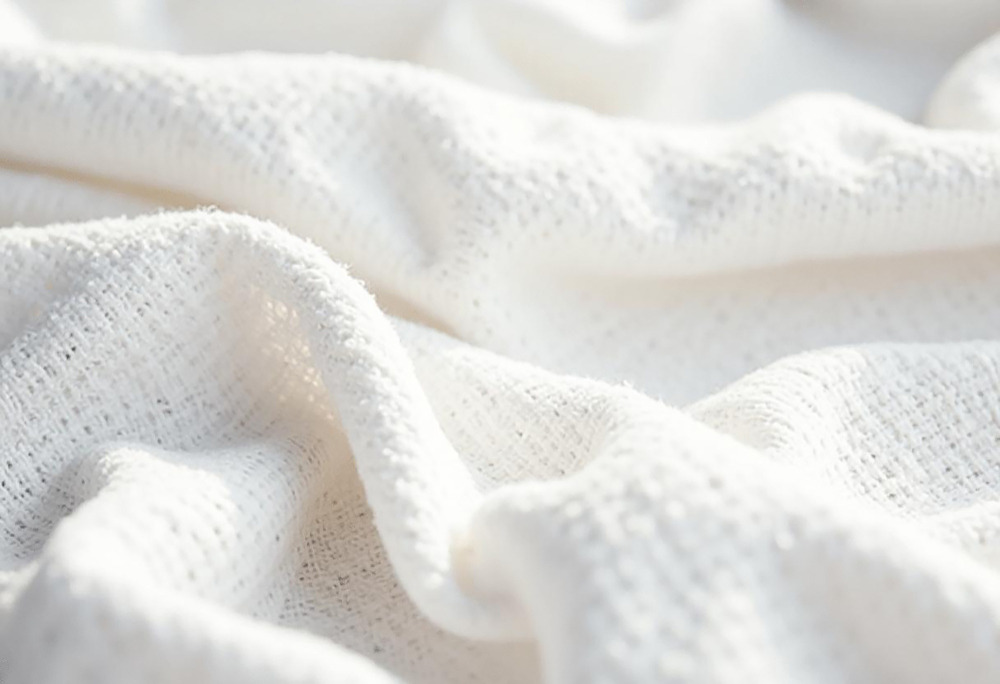
To check if linen fabric is 100% pure, read the fiber content label, perform a burn test, and feel the texture for a slightly rough, cool touch with natural wrinkles. Pure linen fabric has an uneven, matte surface and no synthetic sheen. Blends often cost less, feel smoother, and carry vague labeling. Buying from a verified wholesale fabric supplier like Fabriclore Pvt Ltd removes most of this guesswork.
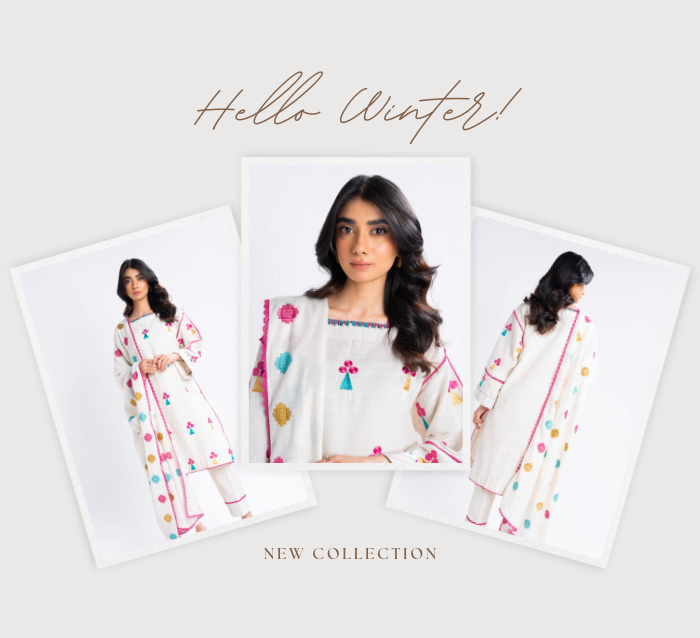
Linen quality affects everything from how a garment drapes to how long it lasts after repeated washes. A shirt made from 100% pure linen breathes well, softens with age, and holds its shape season after season. A linen blend, on the other hand, might look similar on a hanger but behave completely differently once it’s worn or washed a few times.
Most linen sold today isn’t pure. Manufacturers often blend it with cotton, viscose, or polyester to cut costs and improve wrinkle resistance. These blends aren’t inherently bad, but they’re not what you’re paying for if a label says “100% linen.” For brands buying cloth material linen in bulk, this distinction directly affects product quality, customer trust, and return rates.
This guide breaks down exactly how to verify linen purity, what authentic linen looks and feels like, and where to source it reliably.
What Is Linen Fabric and How Is It Made?
Linen fabric comes from the fibers of the flax plant. Manufacturers harvest the flax stalks, then separate the fibers through a process called retting, which breaks down the woody outer layers. The remaining fibers get spun into yarn and woven into fabric.
This process gives linen its signature traits:
- Breathability: The fiber structure allows air to pass through easily, making linen ideal for warm climates.
- Strength: Linen fibers are among the strongest natural fibers, which is why linen fabric holds up well over years of use.
- Natural texture: Pure linen has a slightly irregular, textured surface rather than a smooth, uniform finish.
Linen differs from cotton in fiber length and strength. Cotton fibers are shorter and softer, while linen fibers are longer and stiffer, which gives linen its characteristic crispness. Synthetic blends, like polyester-linen mixes, trade some of this natural texture and breathability for lower cost and easier care.
How Can You Check If Linen Fabric Is Pure?
Does the Fiber Content Label Tell You Everything?
Start with the label. By regulation, most garments and textiles must list fiber content as a percentage. A label reading “100% Linen” should mean exactly that. If you see “Linen Blend” or a mix like “55% Linen, 45% Cotton,” the fabric is not pure linen.
Labels aren’t foolproof, though. Some low-cost retailers mislabel products, so this step works best as a first filter, not a final verdict.
What Does a Burn Test Reveal About Linen?
The burn test is one of the most reliable ways to identify fiber composition at home. Cut a small thread from the fabric and hold it with tongs near a flame.
- Pure linen burns quickly, smells like burning leaves or paper, and leaves a soft, gray ash that crumbles easily.
- Synthetic blends burn slower, often melt instead of burning cleanly, smell like plastic, and leave a hard, dark residue.
This test works because linen is a cellulose fiber, similar to cotton, while synthetic fibers like polyester are petroleum-based.
What Should Pure Linen Feel Like?
Run your hand across the fabric. Authentic linen feels slightly rough and cool to the touch, especially when it’s new. It also wrinkles easily, which is actually a sign of quality, not a flaw. If a fabric feels unusually soft, smooth, or silky right out of the package, it likely contains synthetic fibers or a cotton blend.
Can Magnification Help Spot Real Linen?
A magnifying glass or jeweler’s loupe can reveal fiber structure that’s invisible to the naked eye. Pure linen fibers appear irregular and slightly uneven under magnification, with visible nodes along the fiber length. Synthetic fibers look uniform and smooth, almost plastic-like, because they’re manufactured rather than grown.
Do Certifications Matter When Buying Linen?
Certifications like OEKO-TEX or European Flax add a layer of verification, especially for bulk or wholesale fabric purchases. These certifications confirm fiber origin and processing standards through third-party testing, which matters more as order sizes grow and visual inspection becomes less practical.
What Are the Signs of Authentic 100% Pure Linen?
Genuine linen fabric shows several consistent traits:
- Natural color variation: Pure linen rarely has a perfectly uniform color. Slight variations across the fabric are normal and expected.
- Weight and drape: Pure linen has a substantial weight and falls with a slightly stiff, structured drape rather than clinging or flowing like rayon.
- No synthetic sheen: Linen has a matte, slightly dull finish. A glossy or shiny surface usually signals a synthetic blend.
- Trusted certifications: Labels from recognized textile certification bodies add credibility, particularly for business buyers.
What Are the Red Flags for Linen Blends and Fakes?
Watch for these warning signs before buying linen fabric, especially in bulk:
- Prices far below market average: Pure linen costs more to produce than cotton or synthetic blends. A suspiciously cheap price usually means the fabric isn’t pure.
- Overly smooth texture: A plastic-like or silky feel points to polyester or rayon content.
- Vague or missing labels: If a supplier can’t specify exact fiber content, treat that as a dealbreaker.
- Unnaturally uniform color and weight: Real linen has some natural inconsistency. Perfectly even color and weight across a large batch can indicate synthetic processing.
Where Should You Source Quality Linen Fabric?
Sourcing decisions matter just as much as fiber testing, particularly for businesses buying wholesale fabric at scale.
Work with suppliers who offer full transparency. A reliable supplier should provide fiber content documentation, testing reports, and clear sourcing information for every batch.
Prioritize supply chain visibility. For enterprise buyers, this means working with suppliers who can trace fabric from raw flax to finished roll, backed by quality checks at each stage of production.
Choose vertically integrated suppliers when possible. A supplier that controls sourcing, processing, and quality assurance in-house can catch inconsistencies early, rather than after the fabric ships.
Fabriclore Pvt Ltd operates as one of the trusted local and online suppliers for linen fabric and other cloth material options, offering verified fiber content, customized processing, and wholesale fabric sourcing for fashion brands and private labels. Buyers get access to a wide base of pre-vetted fabrics alongside documentation that supports purity claims, which matters when scaling orders from sample quantities to bulk production.
How Should You Approach Buying Pure Linen Fabric?
Checking linen purity takes a few extra minutes, but it protects against poor-quality blends that won’t perform the way pure linen does. Read labels carefully, run a burn test when possible, and trust your hands to notice texture that doesn’t match pure linen’s natural feel.
For businesses buying in bulk, pair these checks with supplier transparency. A trusted wholesale fabric partner with clear documentation and quality governance saves time and reduces the risk of costly mismatches between what’s ordered and what arrives.
Frequently Asked Questions
How much does 100% pure linen fabric typically cost compared to blends?
Pure linen generally costs more than cotton-linen or synthetic blends because flax processing is labor-intensive. If a price seems unusually low for “100% linen,” it’s worth double-checking fiber content before buying.
Is the burn test safe to do at home?
Yes, as long as you use tongs to hold the fabric thread, work near a sink or fire-safe surface, and keep the flame small. Always test a small, discreet piece of fabric.
Can washing linen fabric change how it feels?
Yes. Pure linen typically softens after multiple washes while retaining its natural texture and breathability. Blends may soften differently or lose shape faster, depending on the synthetic content.
What’s the main risk of buying linen blends without knowing it?
Blends may not deliver the breathability, durability, or natural feel that pure linen offers, which can affect comfort and product lifespan, especially in warm climates.
Who should consider buying linen fabric wholesale from a verified supplier?
Fashion brands, private labels, and manufacturers producing linen garments at scale should work with verified suppliers like Fabriclore Pvt Ltd to ensure consistent fiber quality across large orders.