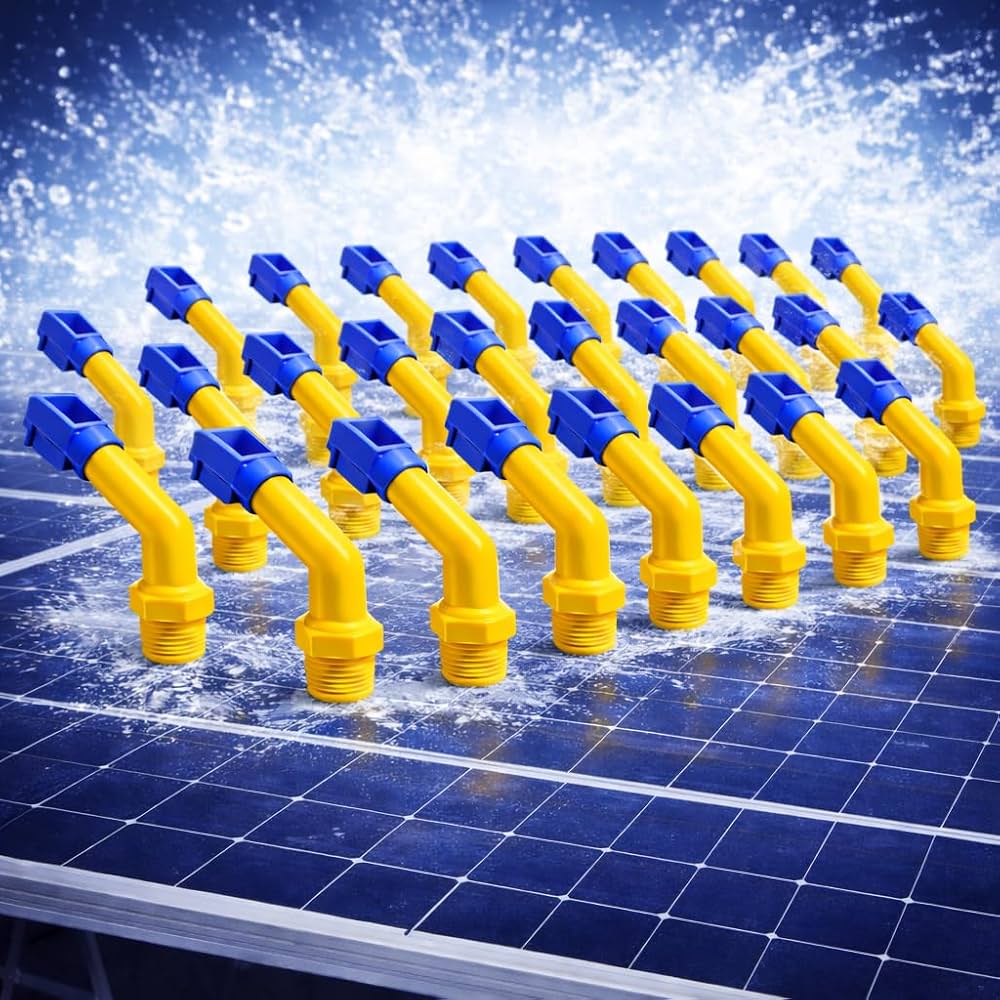
Solar panels are designed to generate electricity from sunlight, but their performance depends on how much sunlight actually reaches the photovoltaic cells. Over time, dust, dirt, pollen, bird droppings, leaves, and other debris can accumulate on the panel surface. When this happens, less sunlight may reach the cells, potentially reducing energy generation.

This is why solar panel cleaning is an important part of routine solar system maintenance. Keeping panels reasonably clean can help maintain their ability to receive sunlight efficiently, support consistent electricity generation, and protect the value of the investment over the long term.

Why Clean Solar Panels Matter
Solar panels work by converting sunlight into electrical energy. Their surface needs to remain sufficiently clear for sunlight to reach the photovoltaic cells.
Dust and other deposits create a layer between the sunlight and the panel. A small amount of dust may have limited impact, but heavier buildup can become more noticeable, especially in areas with dry weather, construction activity, pollution, or frequent dust storms.
Regular cleaning can help:
- Remove dust and dirt from the panel surface
- Prevent bird droppings and other deposits from building up
- Maintain better exposure to sunlight
- Support consistent solar electricity production
- Make it easier to identify visible damage or defects
- Protect the long-term performance of the solar installation
However, cleaning should not be treated as a guarantee of a specific energy increase. The actual impact depends on local weather, panel angle, environmental conditions, the amount of buildup, and the design of the solar system.
How Dirt Can Affect Solar Energy Production
A solar panel cannot use sunlight that is blocked by dirt or other materials. When part of the panel surface becomes covered, the amount of usable sunlight reaching the photovoltaic cells can be reduced.
Dust and Fine Particles
Dust is one of the most common sources of surface contamination. In dry and dusty environments, fine particles can settle on panels quickly.
A light layer may not create a major difference, but accumulated dust combined with moisture can form a more stubborn layer that is harder to remove.
Bird Droppings
Bird droppings can be more problematic than ordinary dust because they may cover concentrated areas of the panel. They can also dry onto the surface and become difficult to remove with simple rinsing.
If left for extended periods, these deposits can interfere with sunlight reaching portions of the panel and make cleaning more difficult.
Leaves and Organic Debris
Leaves, twigs, and other debris can partially shade solar panels. Unlike a thin layer of dust, larger objects can block sunlight more directly.
Removing this debris promptly is particularly important when panels are installed near trees or other vegetation.
What Is the Best Way to Clean Solar Panels?
The safest cleaning method depends on the type of solar panel, installation, accessibility, and manufacturer’s recommendations. In general, cleaning should be gentle and should avoid methods that could scratch the panel surface or damage components.
For accessible residential systems, basic maintenance may involve:
- Checking the manufacturer’s cleaning recommendations.
- Removing loose leaves and debris carefully.
- Using clean water to loosen surface dust where appropriate.
- Using suitable soft cleaning equipment if necessary.
- Avoiding abrasive materials and harsh chemicals.
- Allowing the panels to dry naturally or following the recommended cleaning procedure.
If panels are installed on a high roof, steep structure, or difficult-to-access location, professional cleaning is usually the safer option.
How Often Should Solar Panels Be Cleaned?
There is no universal cleaning schedule that works for every solar installation. The right frequency depends largely on environmental conditions.
Panels in areas with frequent rainfall may naturally receive some surface cleaning from rain. However, rain does not necessarily remove stubborn dirt, bird droppings, or oily deposits.
More frequent inspection may be useful when panels are exposed to:
- Heavy dust
- Construction activity
- Air pollution
- Dry or windy weather
- Bird activity
- Nearby trees
- Agricultural environments
- Long periods without rainfall
Instead of relying only on a fixed calendar, homeowners and businesses can monitor panel appearance and electricity production. A noticeable decline in output without another obvious explanation can be a reason to inspect the system.
Solar Panel Cleaning and Long-Term Cost Savings
Solar panels are a long-term investment. The goal is not simply to keep them looking clean but to help maintain their ability to generate electricity.
When a solar system produces electricity effectively, it can help reduce dependence on electricity purchased from the grid. If dirt is significantly interfering with sunlight exposure, proper maintenance may help the system operate closer to its expected performance.
The financial benefit of cleaning depends on several factors, including:
- Solar system size
- Electricity consumption
- Local electricity rates
- Level of panel contamination
- Weather conditions
- Frequency of cleaning
- Existing system performance
This means cleaning should be viewed as one part of overall solar maintenance rather than a guaranteed method of reducing a specific amount from an electricity bill.
Cleaning Can Also Help Identify Solar Panel Problems
An often-overlooked benefit of regular cleaning is that it provides an opportunity to visually inspect the panels.
While cleaning or inspecting a system, property owners may notice:

- Cracks or visible damage
- Loose components
- Heavy staining
- Physical obstructions
- Cable issues
- Unusual discoloration
- Debris around the installation
Cleaning itself does not repair these problems, but identifying them early can make it easier to arrange appropriate professional inspection or maintenance.
Common Mistakes to Avoid During Solar Panel Cleaning
Cleaning solar panels may appear simple, but using the wrong approach can create unnecessary problems.
Using Abrasive Materials
Rough brushes, abrasive pads, or unsuitable cleaning tools can scratch the panel surface. Scratches may affect the panel’s protective surface and should therefore be avoided.
Using Harsh Chemicals
Strong household chemicals are not necessarily suitable for photovoltaic panels. Unless specifically recommended by the manufacturer, it is better to avoid aggressive cleaning products.
Cleaning During Unsafe Conditions
Working on a roof introduces fall and electrical safety risks. Wet surfaces can become slippery, while poorly planned access can put people and equipment at risk.
If the panels cannot be reached safely from ground level, professional assistance is a sensible choice.
Ignoring Manufacturer Instructions
Different solar panels and mounting systems can have different maintenance recommendations. The manufacturer’s instructions should always take priority over generic cleaning advice.
Does Rain Clean Solar Panels?
Rain can remove some loose dust from solar panels, but it does not guarantee that panels will remain completely clean. Dried bird droppings, mud, pollen, and other deposits can remain after rainfall.
Rainwater can also leave mineral deposits in some locations, particularly when water evaporates quickly. For this reason, visual inspection remains useful even in areas that receive regular rain.
When Professional Solar Panel Cleaning Makes Sense
Professional cleaning can be especially useful for commercial installations, large rooftop systems, and panels that are difficult or dangerous to access.
A professional service can help reduce the risks associated with working at height while using equipment appropriate for solar panel surfaces.
For property owners managing a solar installation, companies such as Solar Prabha can be considered when looking for practical solar maintenance and cleaning support. The right service provider should understand the importance of careful handling and follow suitable procedures for the specific installation.
A Simple Solar Panel Maintenance Routine
Keeping a solar system in good condition does not have to be complicated. A basic maintenance routine can include:
1. Inspect the panels regularly
Look for dust, bird droppings, leaves, stains, or other visible buildup.
2. Check electricity production
Monitor the system’s performance through the available inverter or monitoring platform.
3. Compare unusual changes
A drop in production may have several causes, so don’t automatically assume that dirt is responsible.
4. Clean when necessary
Use a suitable method based on the panel manufacturer’s instructions and local conditions.
5. Arrange professional inspection when needed
If there is physical damage, electrical concern, difficult roof access, or unexplained performance loss, seek qualified assistance.
Frequently Asked Questions
1. Does cleaning solar panels really improve energy production?
Cleaning can help when dirt, dust, bird droppings, or other deposits are significantly blocking sunlight. The actual improvement varies depending on the amount of contamination and environmental conditions.
2. How often should solar panels be cleaned?
There is no fixed schedule for every system. Panels should be inspected regularly and cleaned when significant dirt or debris accumulates, particularly in dusty or dry environments.
3. Can I clean solar panels myself?
If the panels are safely accessible and the manufacturer permits basic cleaning, simple maintenance may be possible. However, rooftop or difficult-to-reach systems should generally be handled by professionals to reduce safety risks.
4. Can dirty solar panels increase electricity costs?
If significant dirt reduces electricity generation, the system may produce less of the energy it could otherwise generate. Depending on the property’s energy needs and electricity rates, this can reduce potential savings from solar power.
5. Is rain enough to keep solar panels clean?
Not always. Rain can remove loose dust, but it may not eliminate bird droppings, stubborn deposits, pollen, or other buildup. Regular inspection is still useful.
Conclusion
Proper solar panel cleaning is a simple but important part of maintaining a solar energy system. Removing accumulated dirt and debris can help panels receive sunlight effectively, support consistent energy production, and provide an opportunity to identify visible maintenance issues.
The best approach is to clean panels when environmental conditions require it, follow manufacturer guidance, and avoid unsafe DIY work on difficult rooftops. With sensible maintenance and regular monitoring, solar owners can help protect the performance and long-term value of their investment. Solar Prabha can be a relevant option for property owners seeking professional support for solar panel cleaning and maintenance.