Modern kitchens are no longer just cooking spaces—they are multifunctional areas where design, comfort, and performance matter equally. One of the most important yet often overlooked elements in a kitchen is proper ventilation. This is where professional range hoods come into play, offering powerful solutions for maintaining clean air and a comfortable cooking environment. Unlike standard ventilation systems, these advanced hoods are designed to handle heavy cooking, remove grease, and eliminate odors effectively. As cooking styles evolve and become more intensive, having the right ventilation system is essential for both health and convenience.

What Are Professional Range Hoods?
Professional range hoods are high-performance kitchen ventilation systems designed to remove smoke, grease, heat, and airborne particles. These hoods are typically more powerful than standard models, often delivering airflow of 900 CFM (cubic feet per minute) or higher, making them suitable for heavy-duty cooking.

They are commonly built with durable materials like stainless steel and include features such as LED lighting, multiple fan speeds, and efficient filtration systems. Many models are designed to replicate restaurant-level performance, bringing commercial-grade efficiency into residential kitchens.
Why Strong Ventilation Matters in Kitchens?
Cooking produces smoke, grease, and harmful particles that can affect indoor air quality. Without proper ventilation, these elements can linger in the kitchen, leading to unpleasant odors and potential health concerns.
Professional range hoods are specifically engineered to address these issues. They capture and remove contaminants quickly, preventing them from spreading throughout the home. This is especially important for high-heat cooking methods such as frying, grilling, or searing, which produce more smoke and grease than regular cooking.
In addition to improving air quality, effective ventilation also protects kitchen surfaces and appliances from grease buildup, making maintenance easier over time.
Key Features of Professional Range Hoods
One of the standout features of professional range hoods is their high airflow capacity. Many models offer over 1000 CFM, allowing them to handle intense cooking conditions with ease.
Another important feature is the use of baffle filters. These filters are designed to trap grease efficiently while maintaining strong airflow. They are often dishwasher-safe, making cleaning more convenient.
Noise reduction is also a key consideration. Despite their power, modern professional hoods are built with energy-efficient motors that help reduce noise levels during operation.
Additionally, these hoods come in various designs, including wall-mounted, island, and under-cabinet options, allowing homeowners to choose based on their kitchen layout.

Types of Range Hood Installations
There are several types of range hood installations available, each suited to different kitchen setups.
Wall-mounted hoods are installed directly against a wall and are often used in open kitchen designs. Island hoods are suspended from the ceiling and are ideal for kitchen islands.
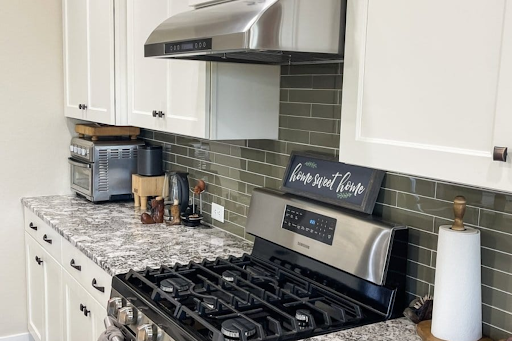
Under-cabinet hoods are installed beneath kitchen cabinets, making them a space-saving option. These are particularly useful in smaller kitchens where maximizing storage is important. While they may be compact, modern designs still offer strong ventilation performance when properly installed.
Choosing the right type depends on factors such as kitchen size, cooking habits, and available space.
Choosing the Right Range Hood for Your Needs
Selecting the right professional range hoods involves considering several factors. Airflow capacity is one of the most important aspects, as it determines how effectively the hood can remove smoke and odors.
Size is another key factor. Ideally, the hood should match or slightly exceed the width of the cooktop to ensure optimal coverage. Installation height and ducting also play a crucial role in performance. Proper ducting with minimal bends helps maintain airflow efficiency.
It is also important to decide between ducted and ductless systems. Ducted hoods vent air outside, providing maximum efficiency, while ductless systems use filters to recirculate air back into the kitchen.
Maintenance and Long-Term Performance
Regular maintenance is essential to keep professional range hoods functioning effectively. Filters should be cleaned or replaced regularly to prevent grease buildup, which can reduce performance over time.
Wiping down the exterior and checking the ventilation system ensures that the hood continues to operate efficiently. Proper maintenance not only improves performance but also extends the lifespan of the appliance.
Conclusion
A well-ventilated kitchen is essential for both comfort and health, especially in modern homes where cooking styles are more diverse and intensive. Under-cabinet range hood vent options provide a practical and space-saving solution while still delivering effective airflow when designed and installed correctly.