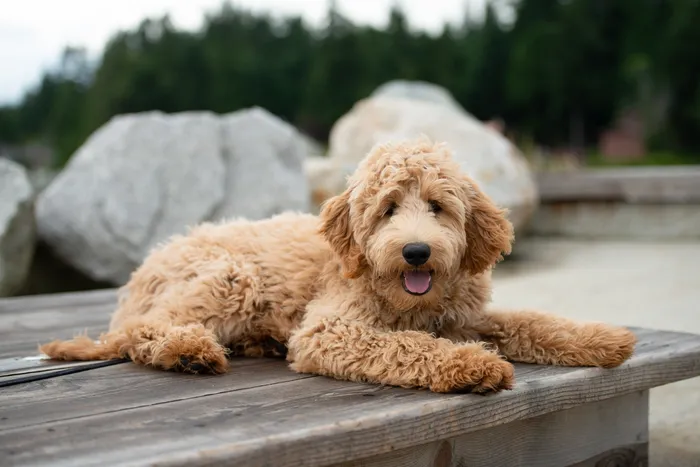
A well-groomed Goldendoodle is not only easier to cuddle but also more comfortable, healthier, and less likely to develop painful mats. Because their curly or wavy coats can grow continuously, regular grooming is an important part of responsible ownership. For families choosing a dog from a Goldendoodle breeder oklahoma, understanding professional grooming needs early can make coat care much easier. The right schedule depends on coat type, lifestyle, age, and home maintenance.

How Often Should Goldendoodles Be Professionally Groomed?
Most Goldendoodles benefit from professional grooming every 4 to 8 weeks. A four- to six-week schedule usually works well for dogs with curly, dense coats because their hair can become tangled quickly. Dogs with wavier coats or owners who maintain them carefully at home may sometimes go closer to eight weeks.

However, there is no single schedule that suits every dog. A Goldendoodle that spends a lot of time outdoors may need more frequent appointments than one that mostly stays indoors. Likewise, a dog with a very curly coat may require more attention than a Goldendoodle with loose waves.
Regular appointments can include bathing, drying, brushing, trimming, nail care, ear cleaning, and sanitary grooming. Keeping these services on a consistent schedule helps prevent small grooming problems from becoming difficult or expensive issues.
What Determines a Goldendoodle’s Grooming Schedule?
Several factors influence how frequently your dog should visit a professional groomer. Looking at these factors can help you create a routine that fits your individual pet.
Coat Type and Texture
Goldendoodles can have curly, wavy, or relatively straight coats. Curly coats generally require the most maintenance because loose hair can become trapped within the coat and form mats.
Wavy coats are often easier to manage, but they still need regular brushing and trimming. A professional groomer can also recommend the most practical haircut based on your dog’s coat texture.
Hair Length
Longer hair looks beautiful but usually requires more daily maintenance. If you prefer keeping your Goldendoodle’s coat several inches long, professional grooming may be needed every four to six weeks.
A shorter trim can make maintenance easier, especially during warmer months. However, short hair does not mean grooming can be skipped completely. The coat continues to grow, and nails, ears, paws, and other areas still require attention.
Lifestyle
An active Goldendoodle that enjoys hiking, swimming, running through grass, or playing outdoors can pick up dirt and debris more easily. Frequent outdoor activity may also increase the chance of tangles and mats.
If your dog regularly participates in these activities, discuss a practical grooming schedule with your groomer. A Goldendoodle breeder can also offer useful guidance about maintaining a puppy’s particular coat as it develops.
Home Grooming Routine
Professional grooming works best when combined with regular care at home. Owners who brush their dogs consistently may be able to maintain a longer interval between appointments.
On the other hand, skipping brushing for several days can allow small tangles to become tight mats. Once mats form close to the skin, professional clipping may be necessary.
Recommended Goldendoodle Grooming Schedule
The following table provides a simple starting point for planning your dog’s grooming routine:
| Grooming Task | Recommended Frequency | Why It Matters |
|---|---|---|
| Professional full grooming | Every 4–8 weeks | Maintains coat health and manageable length |
| Brushing | Several times per week or daily for curly coats | Prevents tangles and mats |
| Bathing | About every 4–8 weeks or as needed | Removes dirt and odors |
| Nail trimming | Every 3–6 weeks | Supports comfortable movement |
| Ear cleaning | Weekly check; clean as advised | Helps maintain healthy ears |
| Face and eye-area trimming | As needed | Keeps the area clean and visible |
| Paw trimming | Every few grooming visits | Reduces debris buildup |
| Sanitary trimming | As needed | Keeps sensitive areas cleaner |
These are general guidelines rather than strict rules. Your dog’s coat, activity level, skin condition, and lifestyle should determine the final schedule.
What Happens During a Professional Grooming Appointment?
A professional grooming session involves much more than giving your Goldendoodle a haircut. Experienced groomers typically inspect the coat and skin before deciding how to proceed.
Brushing and Detangling
The groomer removes loose hair and works through tangles before bathing whenever possible. This step is important because water can tighten existing mats, making them harder to remove.
For dogs with significant matting, the groomer may recommend removing affected areas rather than pulling aggressively on the coat. This approach protects the dog’s skin and reduces discomfort.
Bathing and Drying
A professional groomer uses dog-safe shampoo suited to the animal’s coat and skin. After bathing, the coat must be thoroughly dried because damp, dense hair can encourage tangling and may leave the dog uncomfortable.
Proper drying also allows the groomer to identify areas that need additional brushing or trimming.
Haircut and Trimming
Many owners choose a practical trim that keeps the coat neat without requiring excessive daily maintenance. The exact length is a matter of preference, although your groomer may recommend a shorter style if the coat is difficult to maintain.
If you obtained your dog through a Goldendoodle breeder, ask about the coat characteristics expected as your puppy matures. Puppy coats can change considerably as adult hair develops.
Nails, Ears, and Paws
Nail trimming is another essential part of professional grooming. Overgrown nails can affect the way a dog walks and may eventually cause discomfort.
Groomers can also clean the outer ear area and trim excess hair around the paws. However, owners should avoid inserting tools or cotton swabs deep into a dog’s ear canal unless directed by a veterinary professional.
Why Regular Professional Grooming Matters
Professional grooming is primarily about maintaining comfort and coat health rather than appearance alone.
It Helps Prevent Severe Matting
Mats can pull on the skin and trap moisture, dirt, and debris. Severe matting may become painful and can hide skin irritation or other problems.
Consistent grooming makes it easier to identify developing tangles before they become serious.
It Supports Better Hygiene
Hair around the face, paws, and sanitary areas can collect food, moisture, dirt, and other debris. Regular trimming helps keep these areas cleaner.
This is particularly helpful for active dogs that spend time outdoors or frequently play in wet conditions.
It Makes Problems Easier to Spot
During grooming, changes such as unusual lumps, irritated skin, redness, parasites, or damaged nails may become more noticeable. A groomer does not replace a veterinarian, but grooming can provide an opportunity to notice changes that deserve professional medical attention.
Responsible owners should contact a veterinarian when they observe persistent itching, skin lesions, unusual odors, ear discharge, or other concerning symptoms.
How to Maintain a Goldendoodle Between Grooming Visits
Professional appointments cannot replace routine home care. A few simple habits can make a major difference.

Brush the Coat Regularly
Use a brush or comb appropriate for your dog’s coat and work through the hair methodically. Pay particular attention to areas where tangles commonly develop, including:
- Behind the ears
- Under the collar
- Around the legs
- Near the tail
- Under the armpits
- Around the belly
- Between the toes
Do not rush through brushing. If your dog becomes uncomfortable, take a short break and continue calmly.
Check for Mats
Run your fingers gently through the coat while brushing. Finding a small knot early is much easier than dealing with a large, tight mat several weeks later.
If you cannot safely remove a mat, ask a professional groomer for assistance rather than cutting close to the skin with household scissors.
Keep the Face Clean
Goldendoodles can collect food and moisture around the mouth. Wiping the area gently with a clean, damp cloth can help keep the facial hair fresh.
If tear staining, discharge, or skin irritation becomes persistent, consult your veterinarian rather than relying only on grooming products.
Introduce Grooming Early
Puppies should gradually become comfortable with brushing, touching their paws, handling their ears, and hearing grooming equipment. A reputable Goldendoodle breeder can help new owners understand how to begin these experiences safely.
Early positive exposure can make future professional grooming appointments considerably less stressful.
How Often Should Goldendoodle Puppies Be Groomed?
Puppies need a different approach from adult dogs. Early grooming experiences should focus heavily on comfort and confidence rather than dramatic haircuts.
Short, gentle sessions can help puppies learn that brushing, paw handling, bathing, and other grooming activities are normal. Professional groomers can introduce puppies to clippers, dryers, tables, and other equipment gradually.
As the puppy matures, grooming sessions can become more complete. Owners should also discuss the appropriate schedule with their veterinarian and groomer, especially if the puppy has sensitive skin or another condition that affects grooming.
A knowledgeable Goldendoodle breeder can also explain how the puppy’s coat may change as it transitions toward an adult coat.
Choosing the Right Professional Groomer
Finding a groomer who understands doodle coats is worth the effort. Goldendoodle hair can be challenging because of its density, texture, and tendency to mat.
Look for Relevant Experience
Ask prospective groomers how frequently they work with Goldendoodles or similar coat types. An experienced groomer should understand how to work through tangles without causing unnecessary stress.
You can also ask what tools they use, how they handle matted coats, and what haircut they recommend for your dog’s lifestyle.
Prioritize Your Dog’s Comfort
A good grooming experience should be calm and controlled. Ask how the groomer handles anxious dogs and whether they allow breaks when needed.
If your dog consistently shows extreme fear or distress during grooming, discuss the issue with your veterinarian and groomer. They may recommend gradual desensitization or another approach.
Communicate Clearly
Bring photos if you have a preferred haircut. Also explain how much brushing you realistically have time to do at home.
For example, an owner who can brush every day may choose a longer style, while someone with limited grooming time may benefit from a shorter, easier-to-maintain trim.
Common Grooming Mistakes to Avoid
Even well-intentioned owners can make grooming harder by using the wrong techniques or waiting too long between appointments.
Avoid these common mistakes:
- Waiting until the coat is heavily matted before booking an appointment
- Assuming a curly coat is naturally low-maintenance
- Using human shampoo on your dog
- Cutting mats close to the skin with scissors
- Ignoring nails because the dog walks outdoors
- Forgetting to check behind the ears and under the legs
- Bathing without properly drying the coat
- Choosing a haircut based only on appearance
- Forcing a frightened puppy through a grooming session
Instead, create a simple routine that combines professional grooming with regular home maintenance.
How a Goldendoodle Breeder Can Help New Owners
A responsible Goldendoodle breeder can provide useful information before you bring your puppy home. Although grooming needs vary from dog to dog, breeders often know the coat characteristics of their lines and can explain what new owners should expect.
When speaking with a Goldendoodle breeder, ask about the puppy’s coat type, previous grooming exposure, brushing routine, and recommended grooming tools. These details can help you prepare for the first few months of ownership.
However, grooming advice should not replace veterinary guidance. If your dog develops persistent skin irritation, unusual hair loss, infections, or other health concerns, contact a qualified veterinarian.
Conclusion
Professional grooming should be a regular part of Goldendoodle care, with most dogs benefiting from an appointment every four to eight weeks. The ideal interval depends on coat texture, hair length, activity level, and how consistently you brush at home. Regular grooming helps prevent painful mats, supports good hygiene, and keeps your dog comfortable throughout the year. Just as importantly, early grooming experiences can teach puppies to accept handling calmly. By combining professional appointments with simple home care, owners can keep their Goldendoodles clean, comfortable, and easier to manage. A consistent routine is far more effective than waiting until the coat becomes difficult to control.
Frequently Asked Questions
1. How often should a Goldendoodle get a haircut?
Most Goldendoodles need a haircut about every four to eight weeks. Dogs with fast-growing, curly coats or longer hairstyles may need appointments closer to every four to six weeks.
2. Can I groom my Goldendoodle at home?
Yes, basic brushing, bathing, and nail maintenance can be performed at home if you learn proper techniques. However, professional grooming is useful for thorough trimming, coat maintenance, and areas that are difficult to manage safely.
3. How often should I brush my Goldendoodle?
Curly-coated Goldendoodles may benefit from daily brushing, while some wavy-coated dogs can be maintained with brushing several times per week. Regular brushing is essential for reducing tangles and preventing mats.
4. When should a Goldendoodle puppy have its first professional grooming?
A puppy can begin gentle professional grooming after appropriate early veterinary care and vaccinations, based on advice from your veterinarian and groomer. Early sessions should emphasize positive experiences and basic handling rather than a major haircut.
5. What happens if I wait too long between grooming appointments?
Waiting too long can allow tangles to become severe mats. Mats may pull on the skin, trap moisture and debris, and make grooming uncomfortable, so consistent brushing and timely professional appointments are important.