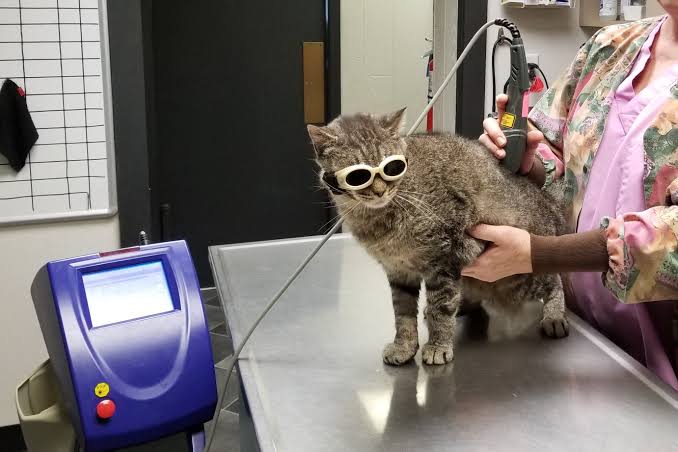
Laser therapy for cats offers a gentle, non-invasive way to manage pain and support healing, particularly valuable for a species known for hiding discomfort until a condition has already progressed. Cats are especially good at masking pain, which makes treatments like laser therapy, with their calming rather than stressful nature, a practical option for supporting feline patients through everything from arthritis to post surgical recovery.

At Eagle Animal Hospital, laser therapy for cats is used as part of a broader approach to comfort and healing, tailored to each individual patient’s needs and tolerance.

Why Cats Benefit From Laser Therapy
Cats present a unique challenge in veterinary medicine because they instinctively conceal signs of pain or illness, a trait inherited from their wild ancestors who could not afford to appear vulnerable. This means conditions like arthritis often go undiagnosed in cats for far longer than in dogs, since an arthritic cat may simply reduce jumping or grooming rather than showing more obvious limping. Laser therapy offers a treatment option that is calm, painless, and well tolerated even by cats who are typically anxious about veterinary visits, making it easier to incorporate into an ongoing care plan.
How Laser Therapy Works in Cats
The treatment uses specific wavelengths of light that penetrate tissue and stimulate activity within cells, increasing blood flow, reducing inflammation, and supporting the body’s natural healing process. This mechanism works the same way in cats as in dogs, though sessions are typically adjusted for a cat’s smaller size and generally lower tolerance for unfamiliar handling.
Most cats experience the treatment as a gentle warmth, similar to sitting in a sunny spot, which is part of why many cats tolerate sessions calmly once they become familiar with the process.
Conditions in Cats That Respond Well to Laser Therapy
Feline Arthritis
Arthritis is remarkably common in older cats, with a large percentage of senior cats showing some degree of joint changes, though many go undiagnosed due to how subtly cats display discomfort. Laser therapy can reduce inflammation around affected joints, often resulting in a noticeable improvement in willingness to jump, climb, and move comfortably.
Post Surgical Recovery
Following spay, neuter, or other surgical procedures, laser therapy is often used to reduce swelling and support faster healing at the incision site. This can be particularly helpful for cats, who sometimes have a harder time tolerating an Elizabethan collar and benefit from anything that shortens their overall recovery timeline.
Chronic Wounds and Skin Conditions
Cats healing from wounds, abscesses, or persistent skin irritation can benefit from the way laser therapy supports tissue repair and reduces inflammation directly at the treatment site, often speeding up healing that might otherwise take considerably longer.
Dental Procedure Recovery
Cats recovering from dental extractions or other oral procedures sometimes receive laser therapy to support gum healing and reduce discomfort during the days following the procedure.
What a Laser Therapy Session Looks Like for Cats
Sessions are typically brief, often just a few minutes per treatment area, which helps keep the experience low stress for cats who may not tolerate longer appointments well. Your cat rests on a comfortable surface while the veterinary technician moves the laser handpiece over the treatment area in a steady pattern. No sedation or special preparation is required, and the quick, calm nature of each session makes it a manageable addition even for cats who are generally anxious at the veterinary hospital.
How Companion Laser Therapy Fits a Cat’s Treatment Plan
Laser therapy for cats is often used as a form of companion laser therapy, working alongside other treatments rather than replacing them entirely. For a cat with arthritis, this might mean combining laser sessions with joint supplements and environmental adjustments at home, such as ramps or low sided litter boxes that make daily movement easier. For a cat recovering from surgery, laser therapy typically complements prescribed pain medication and activity restriction during the healing period.
How Many Sessions Cats Typically Need
The right number of sessions depends on the condition being treated. Acute situations, such as post surgical recovery, often require a short series scheduled closely together during the initial healing window. Chronic conditions like arthritis typically benefit from an ongoing maintenance schedule, which your veterinarian will adjust based on how your cat responds over the first several sessions.
Signs Your Cat Might Benefit From Laser Therapy
Watch for subtle signs that can indicate discomfort in cats, including reduced willingness to jump onto furniture, changes in grooming habits, increased time spent resting in one spot, or noticeable stiffness after sleeping. Cats recovering from recent surgery or managing a diagnosed chronic condition are also strong candidates for laser therapy as part of their overall treatment plan.
How Laser Therapy Compares to Medication for Cats
Managing pain in cats comes with unique challenges, since cats metabolize certain medications differently than dogs, which limits some of the pain management options available compared to canine patients. This makes non medication options like laser therapy particularly valuable in feline medicine, offering a way to manage discomfort without adding to a cat’s medication load or risking the side effects that some pain medications can carry specifically in cats. For cats with kidney disease or other conditions that limit medication options, laser therapy can be an especially useful tool within an overall pain management plan.
Indoor Cats and the Overlooked Risk of Arthritis
Indoor cats are sometimes assumed to be at lower risk for joint problems since they do not experience the wear and tear of an active outdoor lifestyle. In reality, indoor cats frequently develop arthritis as they age, and a more sedentary lifestyle can sometimes mask the earliest signs, since there is less daily activity for an owner to compare against. Regular wellness exams remain an important way to catch feline arthritis early, even in cats that rarely leave the house.
Is Laser Therapy Safe for All Cats
Laser therapy is considered very safe for the vast majority of cats, with minimal risk of side effects. It requires no sedation and carries no risk of drug interactions, making it a useful option even for cats managing multiple health conditions or already taking medication. As with any treatment, certain situations, such as active tumors in the treatment area, require your veterinarian’s evaluation before proceeding.

Helping Anxious Cats Tolerate Sessions
For cats who are generally anxious at the veterinary hospital, a few strategies can help laser therapy sessions go more smoothly. Bringing a familiar blanket from home, using a calm, quiet carrier for transport, and scheduling sessions during quieter times at the hospital can all reduce stress. Many cats become noticeably more comfortable with repeated sessions as they grow familiar with the gentle, painless nature of the treatment.
Making Laser Therapy Part of a Routine
For cats managing a chronic condition, incorporating laser therapy into a regular routine, paired with consistent wellness visits, tends to produce the most reliable long term comfort. Many owners find that once laser sessions become a normal, predictable part of their cat’s schedule, the entire process becomes far less stressful for everyone involved, including the cat.
Why Consistency With a Familiar Team Helps
Cats tend to respond best to laser therapy, and to veterinary care in general, when sessions happen with a familiar team in a consistent setting. Returning to the same hospital for each session allows the veterinary technician to build familiarity with your cat’s specific temperament and comfort preferences, often making each subsequent visit a bit smoother than the last. This consistency is part of why many owners choose to handle both wellness care and laser therapy through the same trusted practice.
When to Revisit the Treatment Plan
As a cat’s condition changes over time, whether improving or progressing, the laser therapy schedule should be revisited periodically rather than left unchanged indefinitely. A cat doing well on a monthly maintenance schedule might need a temporary return to more frequent sessions during a flare up, while a cat showing consistent improvement might be able to extend the interval between visits. Regular check ins with your veterinarian ensure the plan continues to match your cat’s actual needs.
What Owners Can Do to Prepare at Home
A few small steps before a session can help things go smoothly. Avoiding a stressful car ride right before an appointment when possible, keeping your cat calm during transport, and arriving a few minutes early to let your cat settle in a quiet space can all reduce overall stress. Over time, many owners find that their cat begins to associate the hospital with gentle, painless treatment rather than something to fear.
A Gentle Option Worth Considering
For a species so prone to hiding discomfort, a treatment as gentle and stress free as laser therapy fills an important gap in feline care, offering real relief without adding to the anxiety many cats already feel during veterinary visits.
Discussing Laser Therapy for Your Cat
If your cat shows signs of arthritis, is recovering from surgery, or is managing a chronic wound or skin condition, it is worth discussing laser therapy with your veterinarian at your cat’s next wellness visit. The team can evaluate whether your cat is a good candidate and explain how sessions would fit into their overall care plan.
Request an appointment online to discuss laser therapy options for your cat.
Frequently Asked Questions
Q: Does laser therapy hurt cats?
A: No. Laser therapy is painless and most cats experience it as a gentle warmth similar to sitting in a sunny spot. Many cats tolerate sessions calmly, especially once they become familiar with the brief, low stress process.
Q: How do I know if my cat has arthritis?
A: Cats often hide joint pain well, so watch for reduced jumping, changes in grooming habits, or increased stiffness after resting. A veterinarian can confirm arthritis through a physical exam, and laser therapy is a common part of managing it.
Q: How long does a cat laser therapy session take?
A: Most sessions take only a few minutes per treatment area, making them easy to tolerate even for cats who are generally anxious at the veterinary hospital. No sedation or special preparation is required beforehand.
Q: Can laser therapy help my cat recover from surgery?
A: Yes. Laser therapy is commonly used after spay, neuter, or other procedures to reduce swelling and support faster healing at the incision site, often working alongside prescribed pain medication during recovery.
Q: Is laser therapy safe for senior cats?
A: Yes. Laser therapy is non-invasive and carries minimal risk, making it a good option for senior cats managing arthritis or other chronic conditions, as long as your veterinarian confirms it is appropriate for their specific health.