The modern business environment demands more than simply increasing production and generating revenue. Companies today are expected to improve efficiency, adopt advanced technologies, and simultaneously demonstrate environmental responsibility. Customers, investors, and regulators increasingly prefer organizations that balance profitability with sustainability.
To support these objectives, businesses can take advantage of government initiatives and regulatory frameworks that encourage both industrial growth and responsible business practices. Two important mechanisms that contribute significantly to these goals are the EPCG Scheme and EPR Compliance.
The EPCG Scheme helps manufacturers modernize operations by reducing the cost of importing capital goods, while EPR Compliance encourages businesses to take responsibility for managing waste generated by their products. Together, these frameworks enable companies to improve competitiveness while maintaining environmental accountability.
Understanding the EPCG Scheme
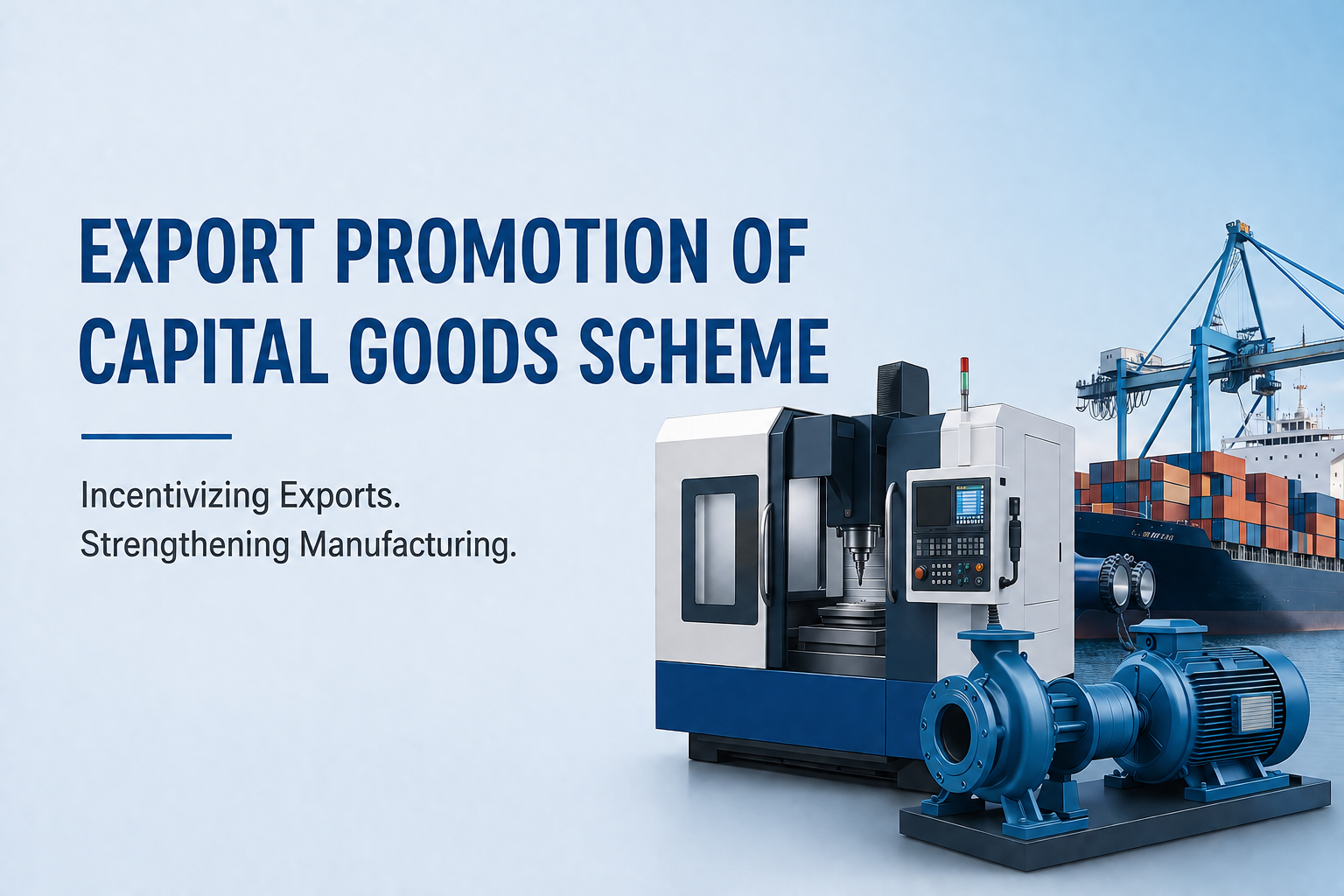
The EPCG Scheme, or Export Promotion Capital Goods Scheme, is an export promotion initiative designed to encourage industrial modernization and strengthen export performance.
Under this scheme, businesses can import capital goods such as machinery, manufacturing equipment, technological systems, and production tools at concessional or zero customs duty rates. In return, organizations commit to fulfilling specific export obligations over a prescribed period.
The primary objective of the EPCG Scheme is to help businesses acquire advanced technologies and improve manufacturing efficiency without bearing the full burden of import duties.
Why the EPCG Scheme Is Important
The scheme provides several benefits that directly support business growth.
Reduces Capital Investment Costs
Advanced technologies become more affordable.
- Businesses can import machinery and equipment at significantly lower costs, reducing financial pressure during expansion and modernization initiatives.
- The savings generated through concessional imports can be invested in innovation, employee development, and market expansion activities.
Improves Manufacturing Capabilities
Modern technology enhances productivity.
- Advanced machinery often increases production efficiency, improves quality control, and minimizes operational inefficiencies.
Encourages Export Competitiveness
Efficient operations strengthen market positioning.
- Companies equipped with modern production systems are better prepared to meet international standards and compete effectively in global markets.
Understanding EPR Compliance
EPR Compliance, or Extended Producer Responsibility Compliance, is an environmental framework that places responsibility on producers, importers, and brand owners for managing the waste generated by their products.
The objective of EPR Compliance is to encourage businesses to participate in collection, recycling, and responsible disposal activities that reduce environmental impact and promote sustainable resource management.
This framework commonly applies to industries involved in plastic packaging, electronics, batteries, and various consumer products that generate post-consumer waste.
Why EPR Compliance Matters
Environmental responsibility has become an essential component of long-term business success.
Encourages Sustainable Waste Management
Responsible waste management protects valuable resources.
- EPR Compliance motivates businesses to establish systems that support recycling, reuse, and proper disposal of waste materials.
- Participation in sustainable waste management initiatives contributes to environmental conservation and resource efficiency.
Strengthens Regulatory Compliance
Compliance minimizes operational risks.
- Businesses that fulfill EPR obligations demonstrate accountability and reduce the likelihood of penalties and legal complications.
Enhances Corporate Reputation
Sustainability improves stakeholder confidence.
- Customers and investors increasingly prefer organizations that actively participate in environmental initiatives and responsible business practices.
How the EPCG Scheme and EPR Compliance Work Together
Although these frameworks address different aspects of business operations, they complement each other effectively.
For example, a manufacturing company may utilize the EPCG Scheme to import advanced machinery that improves production efficiency and increases export capacity. At the same time, the organization may implement EPR Compliance strategies to responsibly manage packaging waste and recycling activities.
This integrated approach allows businesses to modernize operations while demonstrating environmental responsibility.
Organizations that simultaneously prioritize efficiency and sustainability often enjoy stronger market positions and improved resilience in rapidly evolving business environments.
Industries That Benefit from Both Frameworks
Several industries frequently utilize these initiatives.
Electronics Industry
Technology and sustainability drive growth.
- Electronics manufacturers often import advanced equipment while actively participating in electronic waste management programs.
Packaging Industry
Environmental responsibility influences competitiveness.
- Packaging companies modernize production capabilities while implementing recycling and waste management initiatives.
Consumer Goods Industry
Efficiency and sustainability support expansion.
- Consumer product manufacturers invest in advanced technologies and adopt responsible waste management practices.
Engineering and Manufacturing Industry
Innovation and compliance encourage productivity.
- Manufacturers rely on advanced machinery and environmental initiatives to maintain competitiveness and meet evolving market expectations.
Best Practices for Utilizing the EPCG Scheme
Strategic planning maximizes long-term benefits.
Evaluate Technology Requirements Carefully
Investments should align with business objectives.
- Organizations should identify machinery and technologies that improve operational efficiency and support future expansion plans.
Monitor Export Commitments Regularly
Continuous evaluation improves compliance.
- Businesses should review export performance consistently to ensure obligations are fulfilled within prescribed timelines.
Maintain Comprehensive Documentation
Accurate records simplify administration.
- Import approvals, invoices, export records, and supporting documents should remain organized and readily accessible.
Best Practices for Achieving EPR Compliance
A structured approach strengthens implementation success.
Understand Applicable Regulations
Preparation simplifies compliance management.
- Businesses should identify which products fall under EPR requirements and understand their responsibilities.
Develop Efficient Recycling Systems
Collaboration improves effectiveness.
- Working with authorized recyclers and waste management organizations often enhances implementation strategies.
Maintain Detailed Records
Documentation demonstrates accountability.
- Accurate records of collection, recycling, and reporting activities support regulatory obligations and simplify compliance processes.
Common Challenges Businesses Face
Implementing these frameworks requires planning and ongoing attention.
Regulatory Complexity
Requirements may initially appear challenging.
- Businesses often seek professional guidance to understand obligations and avoid procedural errors.
Resource Allocation
Implementation requires commitment.
- Organizations may require dedicated personnel and administrative systems to manage responsibilities effectively.
Continuous Monitoring
Compliance remains an ongoing process.
- Export obligations and environmental responsibilities should be reviewed regularly to maintain operational efficiency.
Businesses that establish structured systems generally experience smoother implementation and stronger results.
Long Term Benefits of Strategic Integration
Organizations that effectively integrate both frameworks often enjoy substantial advantages.
Improved Operational Efficiency
Modern technologies increase productivity.
- Advanced equipment and optimized processes contribute to higher output and improved quality standards.
Stronger Brand Reputation
Responsible practices build trust.
- Companies that prioritize sustainability and efficiency frequently strengthen relationships with customers and investors.
Greater Competitive Advantage
Efficiency and responsibility support market leadership.
- Businesses that modernize operations while embracing environmental accountability often outperform competitors.
Sustainable Business Expansion
Balanced strategies encourage resilience.
- Combining technological advancement with responsible environmental practices creates strong foundations for long-term growth.
Conclusion
The EPCG Scheme and EPR Compliance are valuable frameworks that help businesses achieve both industrial growth and environmental responsibility. The EPCG Scheme supports modernization and export competitiveness by reducing the cost of importing capital goods, while EPR Compliance encourages sustainable waste management and regulatory accountability.
Together, these initiatives enable organizations to improve efficiency, strengthen credibility, and build sustainable business models. Companies that strategically integrate both mechanisms are better positioned to succeed in today’s competitive and environmentally conscious marketplace.
Looking to modernize your operations while building a sustainable and competitive business? Seek professional guidance to understand how the EPCG Scheme and EPR Compliance can help your organization improve efficiency, maintain regulatory compliance, and achieve long-term growth.