Every site says the same thing. Premium quality, unbeatable prices, fast shipping, and there’s always a smiling guy holding a wrench in the header photo. So how do you pick an auto parts supplier without getting stung? Mostly it’s boring stuff. Do they actually know what they’re selling, can they tell you who made the part, and will anyone pick up the phone when the box shows up wrong? A buddy of mine lost an entire weekend because a seller shipped the wrong part and then went silent for three days. Car on stands, engine half apart, nothing to do but wait. That’s the real cost. Not the price on the listing, the time you never get back.


OEM, Aftermarket, and That Murky Middle
This part confuses people, so let’s sort it out. OEM means the part is the same as what the carmaker installed at the factory. Aftermarket comes from other companies, and the range is huge, from better than stock to a waste of your money. Then you’ve got the in-between stuff, parts built in the same factory that supplies the carmaker but sold in a different box, often cheaper. Those can be a steal. The catch is knowing which brands have a real record behind them. Ask a mechanic you trust, dig through forums, read reviews longer than one line. A decent seller will explain the differences without shoving the priciest option at you. If they can’t explain it, or won’t, take note of that.
Gaskets Get No Respect Until They Fail
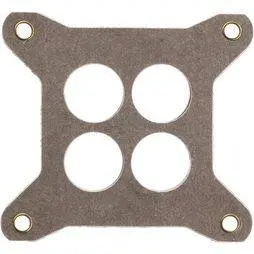
Gaskets are small, cheap, and dull. They’re also behind some of the most irritating breakdowns you’ll ever deal with. When a head gasket goes you get coolant in the oil, white smoke from the tailpipe, and a repair quote that makes your stomach drop. A leaking valve cover gasket drips onto the exhaust and the whole street smells like something’s burning. Each one seals a surface dealing with heat, pressure, and fluid, and they all have to hold at once. Poor material or a fit that’s slightly off and you’re doing the job a second time. So cheap isn’t always cheap. Paying a bit more for a seal you actually trust is usually the best money in a rebuild.
Are Engine Gasket Sets Actually Worth It?
Mostly, yes. Engine gasket sets bundle the seals for a given job so you aren’t chasing them down one by one. A top-end set usually has the head gasket, valve cover gaskets, intake and exhaust manifold gaskets, plus some small seals. A full set goes further, adding the oil pan, timing cover and assorted o-rings. Everything’s matched to your engine, which means less guessing about thickness or shape. Buying piece by piece looks cheaper until you realize you forgot one little seal on a Saturday night and the shop’s closed till Monday. Sets often cost less overall too. One tip, though. Check what’s really in the box before you order, because “set” can mean different things depending on who’s selling.

Making Sure the Part Actually Fits
Most mistakes happen here. You need the exact year, make, model, engine size, and sometimes the engine code or VIN, since carmakers change parts mid-year more than you’d think. Two cars that look identical can take different gaskets. Compare the part number to what’s listed for your vehicle, and if there’s a fitment guarantee read the fine print. When the package lands, don’t shove it on a shelf. Open it, lay the new pieces beside the old ones, look at bolt holes, port shapes, thickness. Ten minutes. That’s all it takes to avoid pulling an engine apart only to find a gasket that’s off by a few millimeters. I’ve been there once. Never again.
Red Flags That Should Make You Walk Away
Some warning signs are loud and some are sneaky. A price far below everyone else’s should worry you, because nobody sells good parts at a loss. Listings with no brand, no part number, just “fits many models” and a blurry photo? Skip. No return policy, no phone number, no real address, same story. Counterfeits are a genuine problem in this industry, especially with popular brands, and the packaging can look scarily convincing. A solid supplier is upfront about where stock comes from and backs it with a clear warranty. Read the reviews, sure, but read the bad ones first. How a company handles complaints says more than any pile of five-star praise.
Price, Shipping, and Support Nobody Thinks About
Price matters, I’m not pretending otherwise. Nobody wants to overpay. But it’s one piece of the puzzle. Shipping speed counts when your only car is out of action and you’re begging rides off friends. Return policies count when something doesn’t fit. And support counts most, because sooner or later something goes wrong, even with the good ones. Can you reach an actual person? Do they know engines or just read from a script? Some of the best stories I’ve heard come from smaller suppliers who answer the phone and say, “yeah, that engine had a running change, let me check the number.” You can’t put a price on that. Weekend DIYer or shop owner buying in bulk, the relationship pays off over time.
Conclusion
Here’s where it lands. Choosing an auto parts supplier isn’t about the lowest price or the slickest website. It’s about trust, fit, and knowing somebody will help when a part turns up wrong. Learn the difference between OEM and aftermarket, give gaskets the respect they’ve earned, and think about engine gasket sets for bigger jobs, since they keep everything matched and spare you the extra trips. Confirm fitment before you pay, inspect the parts when they arrive, and avoid sellers who hide behind vague listings. Do that and your next engine job goes smoother. And when something does go sideways, a good supplier makes it right. Honestly, that’s the whole test.