Maintaining freshness throughout each service period requires constant attention from kitchen staff and managers. Food freshness evaluation includes checking storage conditions and preparation timing that affect final quality. Small improvements in daily routines can produce significant differences in customer satisfaction and reviews. Fresh ingredients lose value quickly without proper handling and temperature control during preparation time. Restaurants that prioritize freshness daily build reputations that attract customers seeking quality dining experiences. Understanding which factors matter most helps operations focus efforts on changes producing measurable results.
Why Does Morning Prep Set Freshness Standards?
Opening procedures establish baseline quality that affects all dishes served throughout the entire day. Staff should verify refrigeration equipment maintained proper temperatures overnight preventing spoilage before service begins. Visual inspection of produce identifies items needing immediate use versus those lasting through the day. Dating prepared ingredients like sauces and dressings ensures nothing exceeds safe usage windows. Morning prep routines should include organizing stations so frequently used items stay accessible. Fresh herb washing and vegetable cutting done too early causes wilting, reducing visual appeal. Food freshness evaluation starts with morning decisions about timing and organization affecting later service.
How Do Temperature Checks Protect Product Quality?
Regular monitoring ensures cold storage and hot holding equipment maintains ranges preventing bacterial growth. Digital thermometers provide accurate readings that help staff identify equipment problems before spoilage. Internal cooking temperatures for proteins must reach levels killing harmful bacteria completely every time. Cold holding below 40 degrees and hot holding above 140 degrees create safe zones. Temperature logs document compliance while revealing patterns indicating equipment needing repairs or replacement soon. Staff should check temperatures at receiving and throughout prep plus multiple service periods. Consistent temperature management forms the foundation of all other freshness preservation efforts restaurants implement.
What Role Does Batch Cooking Play in Freshness?
Preparing smaller quantities more frequently maintains quality better than making large batches early. Batch cooking reduces time foods spend in holding conditions that degrade flavor and texture. Fresh batches during service periods ensure customers receive products at quality peaks always. Cooking to order works for some items while others need advance preparation balancing efficiency. Kitchen staff must judge demand accurately, preventing both waste and stockouts during busy periods. Smaller batches require more labor but produce better customer experiences through improved freshness. Understanding demand patterns helps restaurants optimize batch sizes for different menu items served.
How Can Proper Storage Extend Ingredient Life?
Organized coolers with labeled sections prevent cross-contamination while making inventory management easier for staff. Raw proteins stored below ready-to-eat items prevent dripping that spreads bacteria to products. Covered containers protect against moisture loss and absorption of odors from other stored items. First in first out rotation ensures older products get used before newer deliveries. Adequate spacing between items allows air circulation preventing warm spots that accelerate spoilage rates. Storage height matters because floor areas stay colder than top shelves in most units. Food freshness evaluation improves when storage practices protect ingredients until actual usage time arrives.
Why Does Supplier Reliability Matter for Daily Operations?
Restaurant relationships determine initial product quality that affects potential freshness of all finished dishes. Reliable deliveries at scheduled times prevent gaps that force using older inventory instead. Cold chain maintenance during transport ensures products arrive at proper temperatures preventing early spoilage. Quality specifications communicated clearly to suppliers prevent receiving substandard products that spoil quickly. Regular supplier evaluations identify problems before they become patterns affecting your restaurant operations. Backup Restaurants provide security when primary suppliers face shortages or delivery problems unexpectedly. Strong partnerships create accountability benefiting both restaurants and suppliers over time through consistency.
How Does Professional Wrapping Maintain Product Standards?
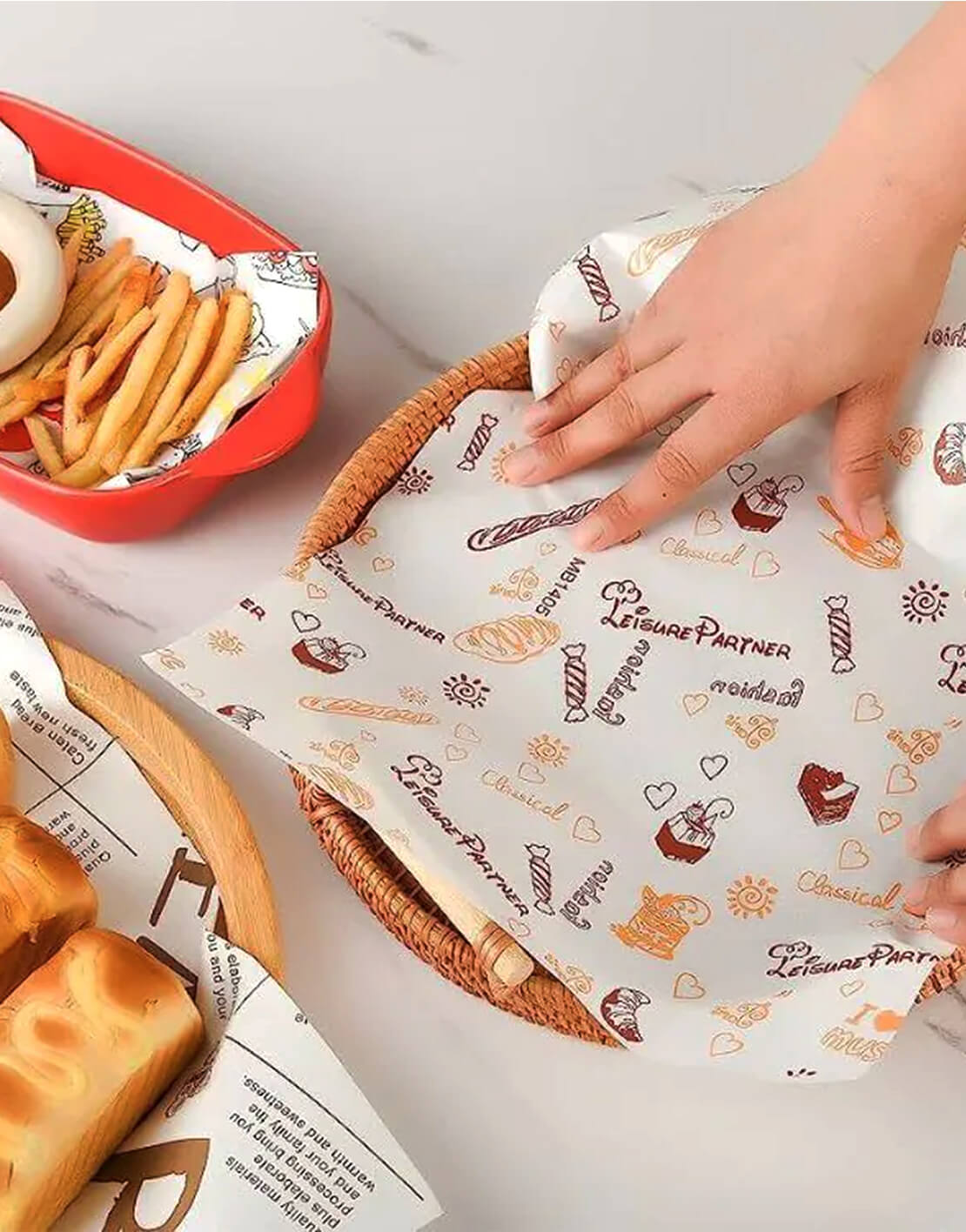
Quality materials protect foods from contamination while extending usable life during storage and service. Proper wrapping prevents grease penetration while allowing products to breathe correctly during holding periods. Tight wrapping without air pockets reduces oxidation that causes discoloration and flavor changes. Different products need different wrapping techniques based on their specific moisture and protection requirements. Training ensures all staff members wrap items correctly creating consistency across all shifts. Wrapping serves as the final protection layer before foods reach customers through dine-in service. Professional wrapping demonstrates attention to details that customers notice through better quality experiences.
What Makes Quality Paper Products Essential for Protection?
Professional wrapping materials safeguard foods better than cheaper alternatives that fail under normal conditions. Using custom deli paper sheets in the USA provides grease resistance while maintaining product integrity. Proper paper prevents sogginess in fried items while maintaining crispness customers expect always. Food-grade materials ensure no chemicals or inks transfer into products during contact time. Adequate thickness in wrapping prevents tears that expose foods to contamination during handling. Paper selection affects how well freshness remains detectable when products reach customers today. Investment in quality materials protects flavor integrity from the kitchen through final consumption moments.
How Can Reliable Suppliers Support Quality Goals?
Choosing the right partners affects every aspect of restaurant operations and customer satisfaction outcomes. Businesses seeking dependable options should explore suppliers like WaxPapersHub for consistent quality products. Strong Restaurant relationships ensure materials arrive on schedule without disrupting daily service operations. Clear specifications prevent receiving substandard products that fail to protect foods during storage. Payment terms and delivery schedules should support your operational needs without compromise ever. Supplier quality affects customer experiences whether dining in or taking orders home today. Restaurant partnerships support the ability to meet standards revealed through regular food freshness evaluation.
Conclusion
Daily freshness improvements require systematic attention to multiple factors affecting product quality throughout service. Morning prep and temperature monitoring establish foundations that protect ingredients until actual usage. Batch cooking and proper storage extend freshness while maintaining efficiency during busy periods. Supplier reliability and professional wrapping techniques protect quality from receiving through final preparation. Quality paper products maintain standards for both dine-in and takeout service options. Strong supplier partnerships ensure consistent materials supporting freshness goals across all operations. Food freshness evaluation managed consistently creates competitive advantages through superior customer experiences daily. Restaurants prioritizing freshness see returns through loyalty and positive reviews driving business growth.