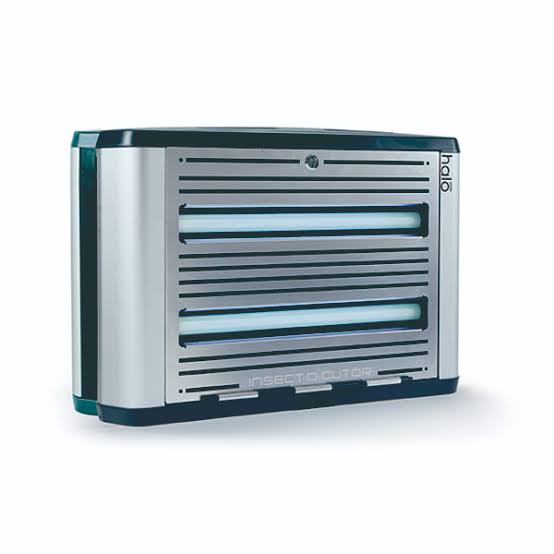
Halo Insect O Cutor cuts down on flies and the bacteria they drag around, catching bugs before they ever land on your counters or food, no sprays needed anywhere near your cooking space.

The Hygiene Thing Nobody Really Talks About
Everyone thinks hygiene just means wiping counters and washing your hands, and yeah that’s a huge part of it, don’t get me wrong. But there’s this other side nobody really mentions, which is the bugs flying around and landing on stuff when you’re not even looking. A fly sits on your raw chicken for literally two seconds and it’s already dropped off whatever nasty thing it touched before that, trash can, drain, you name it.

It’s gross honestly, which is probably why people avoid thinking about it too much. Flies carry bacteria on their legs and bodies, picking stuff up from one spot and leaving it on the next. Your kitchen can look completely spotless and still have this invisible risk hanging around just because one fly did a quick lap through the room earlier.
Where a Halo Insect O Cutor Comes Into It
This is kind of where a unit like this actually earns its keep, whether it’s a home kitchen or a commercial one. It works by pulling flying bugs toward it using UV light before they’d even get close to your cutting board. So instead of you having to notice a fly and swat it mid-prep, the trap’s already got it before that even becomes a thing.
It’s basically a passive layer of protection sitting in the background. You’re not adding some new task to your routine, you’re just letting the thing do its job while you cook. For anyone running a food business, or honestly just someone who wants their kitchen a bit cleaner, that’s a pretty solid deal.

How It Actually Cuts Down Contamination
Nothing complicated going on here science-wise. Flies are drawn to UV light, sometimes more than they’re drawn to the smell of whatever you’re cooking, believe it or not. Once they get pulled toward the unit instead of your food, they land on a glue board or hit the grid and that’s pretty much it for them. They’re not making it anywhere near your plates or open containers.
Fewer flies landing on stuff means fewer chances for cross contamination, simple as that really. It’s not gonna wipe out every bacteria risk in your kitchen, nothing does that honestly, but it closes off this one pathway that most people just don’t think about until it’s actually a problem.
Restaurants Have Been Doing This for Ages
If you’ve ever worked in a restaurant kitchen, you’ve probably seen one of these hanging near a back door, usually some bigger industrial looking thing. Health inspectors actually check for this stuff, it’s part of food safety codes in a lot of places, not just a bonus feature.
What’s changed is these things shrunk down enough to fit in a normal home kitchen now without looking like something you’d order from a restaurant supply catalog. So the same hygiene benefit restaurants have leaned on forever is now just a thing you can plug in at home without it looking weird on your counter.
Skipping the Chemicals Near Your Food
Here’s something people don’t connect right away, spraying bug killer in your kitchen kind of works against the whole point if you’re trying to keep food prep clean. You’re trying to cut contamination and then you’re misting chemicals over the exact counters where you’re chopping vegetables later. Doesn’t really add up when you say it out loud.
A light trap skips that entirely. No spray settling anywhere, no residue near your cutting board or stove. It’s just mechanical, light pulls the bug in, the bug gets stuck, done, nothing chemical anywhere near your food. If you’re even a little cautious about what’s around your meals, this ends up mattering more than people expect going in.
Staying Inspection Ready Without Extra Stress
If you’re running any kind of food business, even something small like a home bakery or a food truck, pest control isn’t really optional. Inspectors look for it, and a fly problem can get you dinged pretty fast on a health inspection. Having working insect control near your prep area isn’t just a nice extra, it’s often flat out expected.
Keeping a Halo Insect O Cutor near your main prep station shows you’re actually handling the insect risk instead of just hoping nothing flies on that day. That stuff adds up when inspections come around, and honestly it just gives you peace of mind too while you’re working.
It’s Quiet, Which Matters More Than You’d Think
Kitchens are chaotic enough already without some zapper making noise every few minutes on top of everything else. A lot of the newer units go with glue boards instead of the electric zap thing specifically to keep the noise down. You still get the hygiene benefit, just without adding to the madness of a busy kitchen.
Matters at home too honestly. Nobody wants some buzzing or zapping noise going off while they’re trying to cook or talk to someone nearby. Quiet operation means it just fades into the background, doing its thing without anyone really clocking that it’s even there.
Maintenance That Doesn’t Slow You Down
Nobody running a kitchen has time for complicated pest routines, thankfully this doesn’t ask much. Swap the glue card every couple weeks depending on how busy it’s been, wipe the unit down now and then, and that’s about it. Doesn’t interrupt your prep or require shutting anything down mid-shift.

Compare that to scheduling pest control visits or remembering to spray near food areas, which, honestly, who has time for that while also cooking and serving people. Low maintenance isn’t just convenient here, it’s kind of the reason it actually gets used instead of forgotten in a drawer somewhere.
Where to Put It Around Your Prep Station
Placement changes everything with these, and it’s where a lot of people mess up. Stick it too close to a bright window or overhead light and it’s basically competing with other light sources, flies might not even notice it’s there. Near back doors, entry points, or dimmer corners tends to work a lot better.
Airflow matters too, something I didn’t think about at first. Vents or open windows pushing air around can actually blow flying insects away from the trap before it gets a chance to pull them in. Took some trial and error moving mine around before it really started catching stuff consistently.

Why This Goes Beyond Just Annoying Bugs
At the end of the day, hygiene in a food prep space is about more than looking clean on the surface, it’s about the invisible risks you can’t really see, like bacteria riding around on a fly’s legs. Bugs are this one piece of the puzzle people overlook because all you notice is an annoying fly, not what it’s actually carrying. Cutting down on flying insects near your food is a real step toward safety, not just something that looks tidy.
Conclusion
When you really break it down, good hygiene in a food prep area means covering all the bases, not just wiping counters and washing hands, but actually dealing with the stuff you can’t see, like bacteria hitching a ride on a fly. A Halo Insect O Cutor handles that part quietly, catching bugs before they ever get near your food or your counters. Whether it’s a full commercial kitchen or just your own place at home, an Insect O Cutor gives you one more layer of protection without chemicals or extra work piled onto your day. It’s small, sure, but it makes a real difference in keeping a food prep space actually safer, not just clean looking on top.
FAQs
Does a Halo Insect O Cutor actually help with food safety compliance?
Pretty much, yeah, a lot of health codes want some kind of insect control near food prep areas, and having one running shows inspectors you’re staying on top of it.
Can it work in a home kitchen or just commercial setups?
Both honestly, smaller units are fine for home use while bigger ones handle the heavier bug traffic you’d get in a restaurant kitchen.
Will it get rid of all bacteria risk in my kitchen?
No, not completely, nothing really does that on its own, but it shuts down one specific way bacteria gets spread by catching flies before they land on anything.
Is it safe running right near where food’s being made?
Yeah, no spray or chemicals involved so it’s fine to leave running even in busy prep zones all day.
Where’s the best spot to put one for hygiene purposes?
Away from bright windows or competing lights, near doors where bugs tend to sneak in, and not somewhere with a ton of airflow pushing bugs away from it.