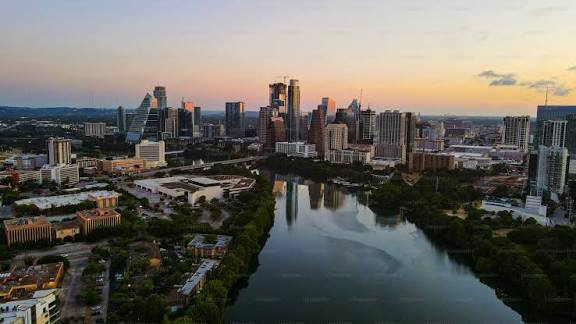
Planning a commercial drone shoot involves more than choosing a location and camera equipment. Businesses booking Houston aerial photography need to consider weather, airspace restrictions, and access to the property. These factors affect whether a flight is permitted, when filming can take place, and which views are practical. Reviewing them before the scheduled date helps clients and operators agree on workable arrangements.
How Do Weather Conditions Affect Aerial Photography?
Houston’s thunderstorms, humidity, and changing light can affect flight conditions and image quality. Operators review forecasts and on-site conditions before flying.

- Wind: Strong gusts can affect drone stability and make it harder to capture steady footage.
- Rain: Precipitation can damage equipment and reduce image clarity, depending on the drone.
- Visibility: Fog, haze, and low clouds can limit what the pilot sees and what the camera captures.
- Lighting: Sun angle and cloud cover affect shadows, reflections, and image detail.
Weather decisions depend on local conditions and equipment limits. Scheduling an alternate date allows you to adjust when conditions aren’t suitable for flying.
What Airspace Rules Apply to Drone Photography in Houston?
Commercial drone photography in Houston is subject to FAA rules. Airport-controlled airspace and temporary restrictions can affect whether a planned flight is permitted.

- Pilot Certification: Flights under Part 107 require an FAA-certificated remote pilot and a registered drone.
- Airspace Authorization: Flights in controlled airspace require FAA approval, often requested through LAANC or DroneZone.
- Flight Restrictions: Operators check temporary flight restrictions and any location-specific limits before departure.
- Operational Safety: Pilots follow visibility and visual-line-of-sight rules, with additional conditions for flights over people.
Sharing an exact address early supports an airspace review. FAA authorization concerns flight permissions; access to property must be arranged separately.
How Does Site Access Affect a Drone Shoot?
Site access affects where a drone operator can safely take off, land, and work. Clients should confirm permission with the property owner or manager and share entry instructions, parking details, and site restrictions. Construction sites may require safety briefings or protective equipment, while crowded venues may limit operating areas. Operators should also assess nearby obstacles, including power lines and cranes. Property permission does not replace required FAA airspace authorization.
How Can Businesses Prepare for an Aerial Photography Session?
Before the shoot, clients can specify the location, subjects, preferred angles, image formats, and delivery needs. A construction manager may request repeatable views of the same site, while a venue operator may prioritize entrances or outdoor areas. Discussing goals and access arrangements in advance helps determine which shots are feasible. Still repeat weather and airspace checks near the scheduled flight because conditions and restrictions can change.
Conclusion
Weather, airspace rules, and site access all influence a commercial drone shoot in Houston. Wind, rain, and visibility may affect timing, while FAA requirements determine when certain flights need authorization. Property arrangements also influence where crews can operate. Businesses planning aerial photography can share location details, explain their image needs, and allow for schedule changes to help the operator prepare appropriately.