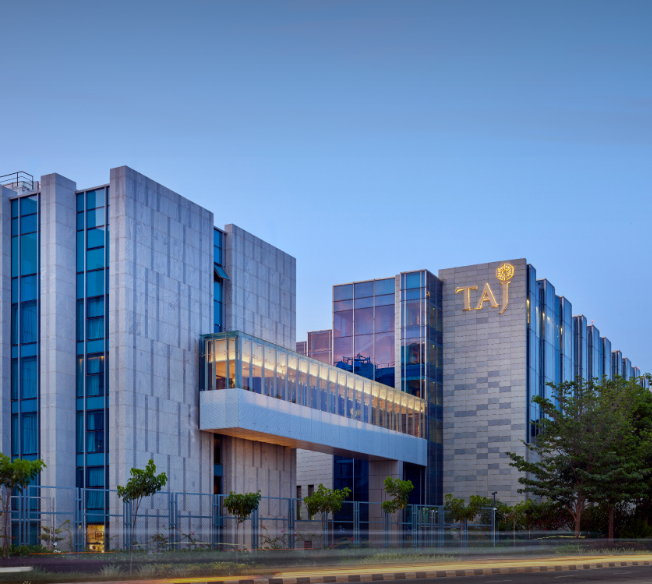
The hospitality industry has evolved far beyond providing accommodation, dining, or leisure facilities. Today, guests seek experiences that are memorable, meaningful, and immersive. Whether visiting a luxury resort, boutique hotel, wellness retreat, or mixed-use hospitality destination, people increasingly evaluate spaces based on how they make them feel. This shift has transformed the role of hospitality architecture, placing greater emphasis on user experience, sustainability, emotional connection, and operational efficiency.
At the same time, lessons from hospitality design are influencing residential projects as well. Many architects for residential developments are incorporating hospitality-inspired principles to create homes that prioritize comfort, wellness, flexibility, and lifestyle experiences. The boundaries between residential and hospitality architecture are becoming increasingly interconnected as users expect more thoughtful and experience-driven environments.
Modern architecture is no longer just about creating buildings. It is about shaping journeys, experiences, and environments that positively impact the people who use them.
Why Hospitality Architecture Is More Important Than Ever
The hospitality sector has become increasingly competitive. Travelers today have countless choices available, making it essential for destinations to stand out through design, functionality, and atmosphere.
Hospitality architecture influences nearly every aspect of the guest experience. From the moment visitors arrive, architecture begins communicating the identity, values, and character of a destination. Well-designed hospitality environments create emotional connections that encourage repeat visits and positive recommendations.
Successful hospitality architecture addresses questions such as:
- How will guests move through the space?
- What emotions should different areas evoke?
- How can design support comfort and relaxation?
- How can architecture enhance operational efficiency?
- How can the project reflect its location and cultural context?
Answering these questions requires a deep understanding of both design principles and human behavior.
Creating Memorable First Impressions
In hospitality design, first impressions often determine how guests perceive an entire experience.
Arrival zones, entrances, reception areas, and transitional spaces play a crucial role in shaping expectations. Thoughtful architectural planning ensures that these areas feel welcoming, intuitive, and visually engaging.
The most successful hospitality projects carefully choreograph the arrival experience. Guests should feel a sense of anticipation and discovery rather than confusion or disorientation.
Elements that contribute to strong first impressions include:
- Clear circulation pathways
- Strategic use of natural light
- Strong visual focal points
- Landscape integration
- Material selection and detailing
These components work together to establish the tone for the entire visitor journey.
Designing Experiences Rather Than Buildings
One of the defining characteristics of modern hospitality architecture is its focus on experience.
Traditional design approaches often prioritized aesthetics and functionality independently. Contemporary hospitality projects seek to combine both while also considering emotional engagement.
Guests remember experiences such as:
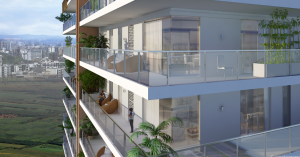
- Watching a sunrise from a carefully positioned terrace
- Walking through a beautifully landscaped courtyard
- Relaxing in naturally ventilated spaces
- Enjoying views framed by thoughtful architecture
These moments are created intentionally through design decisions.
Architecture becomes a tool for storytelling, allowing visitors to connect with a destination in meaningful ways.
The Growing Influence of Wellness-Focused Design
Wellness has become a major consideration in hospitality architecture.
Modern travelers increasingly prioritize physical and mental well-being during their journeys. As a result, hotels, resorts, and hospitality destinations are integrating wellness principles into their architectural strategies.
Wellness-focused hospitality design often includes:
- Abundant natural light
- Access to outdoor spaces
- Biophilic design elements
- Improved indoor air quality
- Quiet reflection areas
- Natural materials
These features contribute to healthier and more comfortable environments.
Architecture plays a direct role in supporting relaxation, restoration, and overall well-being.
Sustainability as a Core Design Principle
Environmental responsibility has become a critical aspect of hospitality development.
Hospitality projects consume significant amounts of energy and resources, making sustainable design increasingly important. Rather than treating sustainability as an optional feature, leading architects now integrate environmental strategies from the earliest design stages.
Common sustainable approaches include:
- Passive cooling techniques
- Energy-efficient systems
- Rainwater harvesting
- Renewable energy integration
- Climate-responsive building envelopes
- Sustainable material selection
These strategies reduce environmental impact while often improving operational performance.
Sustainability also enhances guest experiences by creating more comfortable and environmentally conscious spaces.
Learning from Hospitality in Residential Design
Interestingly, many principles developed within hospitality architecture are now influencing residential projects.
Modern homeowners increasingly desire experiences traditionally associated with premium hospitality destinations. As a result, architects for residential projects are adopting concepts that prioritize comfort, flexibility, and lifestyle enhancement.
Homeowners today seek:
- Wellness-focused environments
- Seamless indoor-outdoor connections
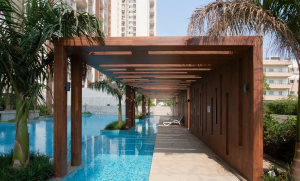
- Resort-inspired amenities
- Flexible living spaces
- Strong connections with nature
These preferences reflect broader lifestyle shifts that value quality of life and personal well-being.
Why Residential Architecture Is Evolving
Residential design is undergoing significant transformation.
Homes are no longer viewed solely as places for shelter. They now function as workplaces, recreational environments, social spaces, and personal retreats.
This evolution has expanded the responsibilities of architects for residential projects. Designers must create homes that support multiple activities while maintaining comfort and functionality.
Modern residential architecture often incorporates:
- Flexible layouts
- Multi-purpose rooms
- Enhanced natural ventilation
- Sustainable technologies
- Outdoor living spaces
These features improve adaptability and long-term usability.
Creating Strong Connections Between Indoor and Outdoor Spaces
Both hospitality and residential architecture increasingly emphasize the relationship between built environments and nature.
Outdoor spaces contribute significantly to user satisfaction and well-being. Gardens, courtyards, terraces, and landscaped areas create opportunities for relaxation and social interaction.
Effective integration between indoor and outdoor environments helps:
- Improve daylight access
- Enhance ventilation
- Strengthen visual connections
- Support mental well-being
These benefits contribute to more enjoyable and healthier living experiences.
The Future of Experience-Driven Architecture
The future of architecture will increasingly focus on creating meaningful experiences rather than simply constructing buildings.
Both hospitality and residential projects are expected to prioritize:
- Human-centered design
- Sustainability
- Wellness
- Flexibility
- Technological integration
Users increasingly expect environments that support changing lifestyles while remaining comfortable, efficient, and adaptable.
Architects who understand these evolving expectations will play a crucial role in shaping future developments.
Conclusion
The growing importance of hospitality architecture reflects a broader shift toward experience-driven design that prioritizes comfort, engagement, and emotional connection. Hospitality environments today must do far more than provide accommodation; they must create memorable experiences that resonate with guests long after their visit. At the same time, many of these principles are influencing residential projects as homeowners seek spaces that support wellness, flexibility, and quality of life. The work of architects for residential developments increasingly involves creating environments that blend functionality with meaningful experiences. As architecture continues evolving, successful projects will be those that place people, sustainability, and long-term value at the center of every design decision. Morphogenesis continues to explore architecture that balances innovation, sustainability, and human experience across diverse project typologies.