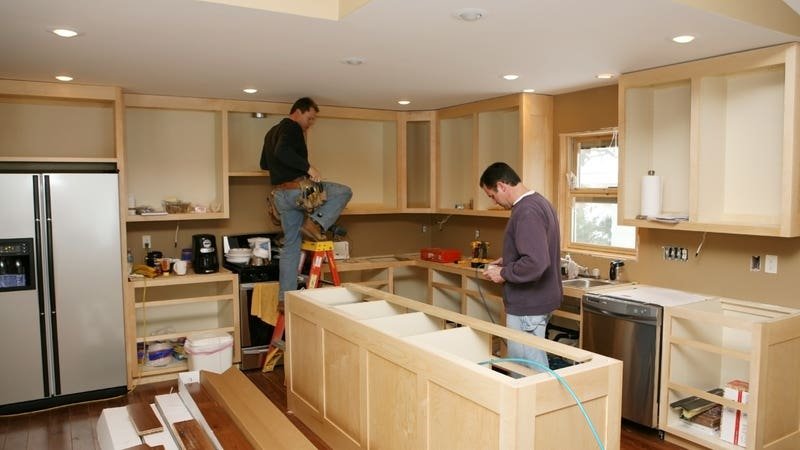
Remodeling a home can change the way a space looks, feels, and works. It can help improve comfort, add useful features, and make better use of available space. A well-planned remodeling project also gives homeowners a chance to fix outdated areas and create rooms that fit their current needs. From kitchens and bathrooms to basements and living areas, the right improvements can make a noticeable difference.
Planning a Home Remodeling Project
Every successful remodeling project starts with a clear plan. Homeowners should first decide which areas need work and what they want to achieve. Some projects focus on appearance, while others are meant to improve storage, layout, comfort, or overall function.

A budget should also be considered before work begins. Setting a realistic spending limit can help homeowners make better choices about materials, finishes, and project size. It is also useful to leave some room in the budget for unexpected repairs that may appear after construction starts.
The project timeline is another important factor. Larger renovations can take several weeks or longer, depending on the work involved. Planning ahead helps homeowners prepare for changes to their daily routine while the work is underway.
Kitchen Remodeling for Better Daily Use
The kitchen is one of the most frequently used areas in a home. An outdated layout can make cooking, cleaning, and storage more difficult. Remodeling can provide an opportunity to improve the arrangement of cabinets, appliances, counters, lighting, and other features.
Storage is often a major concern in older kitchens. New cabinets, drawers, pantry areas, and shelving can provide better places for cookware and food items. A well-planned layout can also make it easier to move between the main work areas.
Countertop and flooring choices can affect both appearance and everyday use. Homeowners can select materials based on durability, maintenance needs, and personal style. Good lighting is also important because it can make food preparation and other kitchen tasks easier.
Bathroom Updates That Add Function
Bathrooms can benefit from changes that improve comfort and convenience. A renovation may include a new shower, bathtub, vanity, flooring, lighting, or storage. Even smaller updates can make an older bathroom more useful.
Poor ventilation and outdated fixtures can create ongoing problems. Modern ventilation can help manage moisture, while newer fixtures may use water more efficiently. Better storage can also reduce clutter and keep everyday items organized.
Accessibility is another reason to consider a bathroom renovation. Features such as wider spaces, grab bars, walk-in showers, and suitable flooring can make the room easier to use. These changes can be useful for homeowners who want their home to remain comfortable as their needs change.
Creating More Usable Living Space
Many homes have areas that are not being used to their full potential. A basement, spare room, or underused corner may be converted into a more practical space. Depending on the home, the area could become an office, entertainment room, guest space, playroom, or additional living area.
Good planning is important when changing the purpose of a room. The new space should have suitable lighting, electrical access, ventilation, and storage. The design should also work with the existing structure of the home.
Open layouts are another popular option for homeowners who want a more connected living space. Removing certain walls can create better flow between rooms when the structure allows it. Before removing any wall, homeowners should determine whether it supports the building or contains important electrical or plumbing systems.
Choosing the Right Remodeling Professional
Hiring the right professional can make a major difference in the outcome of a renovation. Homeowners should look at experience, previous projects, communication, and the scope of services offered. A professional should also explain the expected process before construction begins.
A Residential Remodeling Contractor can coordinate different parts of a residential renovation. This may include planning, material selection, construction, and coordination with other trades. Having one professional manage the project can help keep different tasks organized.
Homeowners should also ask for a detailed estimate. The estimate should explain labor, materials, expected work, and any other major costs. Clear information at the beginning can help reduce confusion later in the project.
Improving Home Layout and Storage
A remodeling project does not always need to involve major structural changes. Sometimes, improving storage and room organization can have a large effect. Built-in cabinets, custom shelving, closets, and improved layouts can help homeowners use existing space more effectively.
Entryways are one area that can benefit from better organization. A small storage system for shoes, coats, bags, and other items can help keep the area tidy. Similar solutions can be added to bedrooms, bathrooms, kitchens, and home offices.
Furniture placement should also be considered during the design stage. A room may feel crowded because of its layout rather than its actual size. Changing the arrangement and adding practical storage can make the space easier to use.
Selecting Materials for Long-Term Value
Materials should be selected based on more than appearance. Homeowners should consider durability, maintenance, cost, and how each material will be used. High-traffic areas may require surfaces that can handle frequent use.
Flooring is one example. Different rooms may need different types of flooring depending on moisture, traffic, and maintenance requirements. Kitchens and bathrooms often need materials that can handle spills and regular cleaning.
Paint and wall finishes can also affect the feel of a room. Neutral colors can provide flexibility, while carefully selected accent areas can add character. The best choice depends on the home’s existing design and the homeowner’s preferences.
Home Remodeling Services for Different Needs
Home Remodeling Services can cover many types of residential improvement projects. These services may include kitchen remodeling, bathroom renovations, basement improvements, room updates, flooring work, painting, and changes to interior layouts. The exact scope depends on the home’s condition and the homeowner’s goals.
Some homeowners want to update one room at a time. Others prefer to complete several connected areas during one project. Combining related work can sometimes make planning easier because materials, labor, and design decisions can be coordinated together.
Before starting, homeowners should discuss their goals in detail. This helps the remodeling team understand what matters most to the client. A clear discussion can also help identify possible design issues before construction begins.
Preparing for a Successful Renovation
Homeowners can make the process easier by preparing before construction begins. Important items should be packed away, fragile belongings should be protected, and access to the work area should be planned. If a kitchen or bathroom is being remodeled, homeowners should also consider how they will manage without that space during construction.
Communication should continue throughout the project. Homeowners should feel comfortable asking questions about progress, materials, changes, or unexpected issues. Regular communication can help both sides stay informed and address concerns before they become larger problems.
It is also important to avoid making unnecessary changes once construction is underway. Changes can affect the budget and timeline. If a change is needed, discussing it with the remodeling professional first can help determine its effect on the overall project.
Questions Homeowners Often Ask
1. How long does a home remodeling project take?
The timeline depends on the size and complexity of the project. A small room update may take much less time than a full renovation involving several areas. Material availability, structural work, permits, and other factors can also affect the schedule.
2. How much should I budget for remodeling?
There is no single price for every remodeling project. Costs depend on the size of the area, materials, labor, design changes, and the condition of the existing space. Getting a detailed estimate before work starts can help homeowners plan their budget.
3. Should I remodel one room or several rooms at once?
This depends on the homeowner’s budget, schedule, and goals. Remodeling several connected areas at once may make sense when the spaces share design elements or construction work. For some homeowners, completing one room at a time is easier to manage.
4. Can remodeling improve the functionality of an older home?
Yes. Remodeling can address outdated layouts, limited storage, poor lighting, and other issues that affect daily use. Changes can be planned around how the homeowner currently uses the space.
5. How do I choose a remodeling contractor?
Start by reviewing experience, past work, project details, estimates, and communication. Ask questions about the construction process and make sure the scope of work is clearly explained. A professional who understands your goals can help make the renovation easier to manage.
Conclusion
A well-planned renovation can improve comfort, organization, appearance, and everyday function. From kitchen updates and bathroom renovations to basement improvements and better living spaces, homeowners have many ways to improve their property. Choosing the right materials, setting a clear budget, and working with an experienced professional can help keep the project on track. For homeowners in Mason, OH, and surrounding areas, Citywide Home Remodeling provides remodeling services designed around different residential needs and project goals.