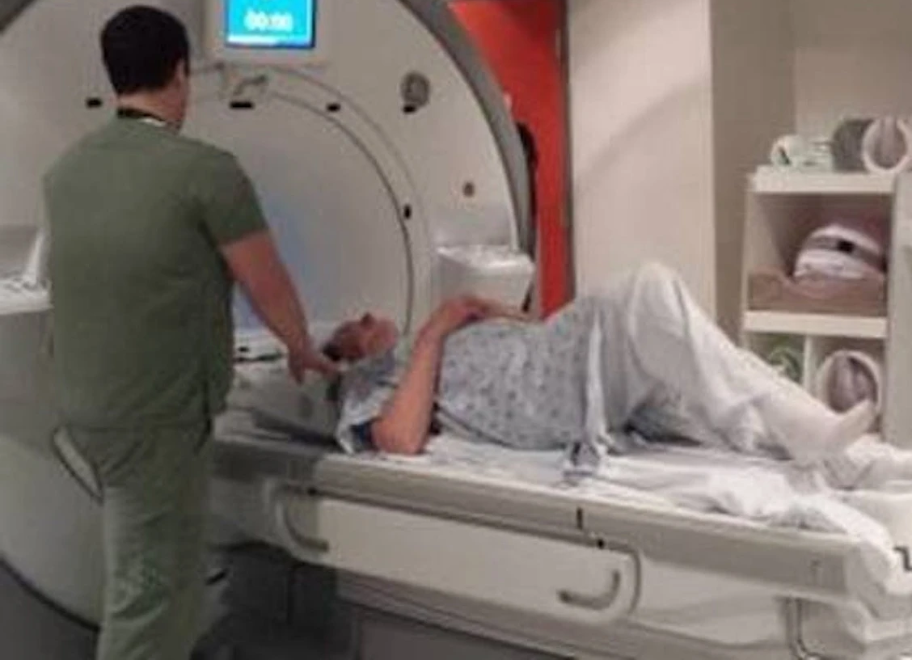
Medical imaging plays a critical role in modern healthcare. Whether a physician is investigating chronic pain, neurological symptoms, sports injuries, cardiovascular concerns, or abdominal issues, diagnostic imaging often provides the answers needed to guide treatment decisions.
For many Nova Scotia residents, the QEII Health Sciences Centre’s Halifax Infirmary serves as a major hub for advanced imaging services. However, one of the most common concerns among patients today is access. Understanding current halifax infirmary diagnostic imaging wait times can help patients make informed decisions about their healthcare journey.
In 2026, demand for MRI, ultrasound, CT, and other imaging services continues to grow across Nova Scotia. While healthcare investments have improved capacity, patients still face varying wait times depending on the type of examination, clinical urgency, and referral pathway.
This guide explains what patients need to know about imaging wait times, why delays occur, and what options may be available for obtaining scans sooner.
Understanding the Role of Halifax Infirmary Diagnostic Imaging
The Halifax Infirmary is part of the QEII Health Sciences Centre and provides a broad range of imaging services, including:
- Magnetic Resonance Imaging (MRI)
- Computed Tomography (CT)
- Ultrasound
- X-ray services
- Interventional radiology
- Specialized diagnostic procedures
These services support thousands of patients each year and play an essential role in diagnosing and monitoring numerous medical conditions. Referrals are generally required from a physician or healthcare provider before imaging can be scheduled.
Because the facility serves patients from across the province, demand remains consistently high.
Current MRI Wait Times in Nova Scotia
One of the most requested imaging examinations is MRI. According to Nova Scotia’s official wait-time reporting system, MRI wait times vary significantly depending on the body area being examined and the healthcare facility performing the scan.
Recent provincial data indicates that at QEII Health Sciences Centre sites, which include the Halifax Infirmary, 50% of patients received MRI examinations within approximately 50 days. However, more complex or lower-priority examinations may experience substantially longer waits.
These timelines are based on historical data and do not include urgent or emergency cases, which are prioritized separately.
Understanding these benchmarks helps patients set realistic expectations when entering the halifax infirmary diagnostic imaging system.
Why Do Imaging Wait Times Occur?
Many patients wonder why imaging appointments sometimes take weeks or months to schedule.
Several factors contribute to delays:
1. Increasing Demand
Nova Scotia’s aging population and growing healthcare needs continue to drive demand for diagnostic imaging.
Physicians increasingly rely on imaging to:
- Diagnose diseases earlier
- Monitor chronic conditions
- Guide treatment decisions
- Evaluate injuries and pain conditions
As utilization grows, imaging departments must balance available resources with increasing patient volumes.
2. Priority-Based Scheduling
Healthcare systems use triage processes to prioritize patients based on medical urgency.
For example:
- Emergency cases receive immediate attention.
- Cancer investigations are prioritized.
- Urgent neurological concerns move ahead of routine examinations.
This system ensures the most critical patients receive care first but may lengthen waits for less urgent referrals.
3. Staffing Challenges
Imaging services depend on highly trained technologists, radiologists, and support staff.
Like many healthcare systems across Canada, Nova Scotia continues to address workforce shortages that can affect appointment availability and reporting timelines.
4. Equipment Availability
Even with modern technology, MRI and CT scanners have finite capacity.
Some MRI exams can take 30 to 60 minutes or longer, limiting the number of patients who can be scanned each day.
Improvements to Imaging Capacity
There is encouraging news for patients concerned about access.
In 2024, Nova Scotia opened a new MRI suite at the Halifax Infirmary featuring two advanced MRI units designed to improve patient care and increase scanning capacity. Provincial officials stated that the expansion would help reduce wait times and provide faster access to advanced diagnostic imaging.
The province has also invested in mobile MRI initiatives that bring imaging services to communities throughout Nova Scotia, further expanding access to care.
These investments demonstrate ongoing efforts to strengthen the province’s diagnostic imaging infrastructure.
How Wait Times Affect Patients
Diagnostic delays can have real-world consequences.
Patients waiting for imaging often experience:
- Ongoing symptoms
- Delayed diagnoses
- Anxiety and uncertainty
- Delayed treatment planning
- Reduced quality of life
While many conditions remain stable during the waiting period, others may require more timely evaluation to guide appropriate care.
This is why patients frequently seek strategies to accelerate their appointments.
Tips for Getting Imaging Appointments Faster
Although wait times are influenced by healthcare system factors, there are several practical steps patients can take.
Join Cancellation Lists
Many imaging departments maintain cancellation lists.
Patients who are flexible regarding appointment times may be contacted when another patient cancels. This can sometimes result in significantly earlier appointments.
Confirm Referral Submission
Administrative delays occasionally occur.
Patients should verify that:
- Their referral was submitted correctly.
- All required documentation is complete.
- The imaging department received the referral.
A quick follow-up call can sometimes identify issues that might otherwise delay scheduling.
Update Your Physician About New Symptoms
If symptoms worsen while waiting for imaging, patients should inform their healthcare provider.
Changes in clinical condition may affect referral prioritization and potentially lead to faster scheduling.
Be Flexible With Appointment Times
Patients who are willing to attend early morning, evening, or short-notice appointments may increase their chances of securing earlier availability.
Considering Private Imaging Options
As demand for public imaging services grows, some patients explore private imaging providers.
Private facilities can offer:
- Faster scheduling
- Flexible appointment times
- Reduced waiting periods
- Convenient booking processes
One example is Why Wait Imaging, a Halifax-based imaging provider focused on timely MRI and ultrasound access. The clinic offers advanced imaging services designed to help patients obtain diagnostic information more quickly and support faster clinical decision-making.
For individuals facing lengthy waits within the public system, private imaging may provide an alternative pathway to obtaining answers sooner.
Public vs. Private Imaging: Key Differences
When evaluating options, patients should understand the distinctions between public and private services.
Public Imaging
Benefits include:
- Covered under provincial healthcare programs
- Broad access across Nova Scotia
- Appropriate for most referrals
Challenges may include:
- Longer wait times
- Limited scheduling flexibility
- Capacity constraints
Private Imaging
Benefits may include:
- Faster appointments
- Greater convenience
- Flexible scheduling options
- Reduced waiting periods
Potential considerations include:
- Out-of-pocket costs
- Variable insurance coverage
The best choice depends on a patient’s healthcare needs, financial considerations, and desired timeline.
Preparing for Your Imaging Appointment
Once an appointment is scheduled, preparation is important.
MRI Preparation
Patients may be asked to:
- Remove metal objects
- Arrive early
- Inform staff about implants or medical devices
- Follow any specific preparation instructions
Ultrasound Preparation
Depending on the examination, patients may need to:
- Drink water beforehand
- Avoid eating for several hours
- Wear comfortable clothing
Following instructions carefully helps ensure accurate results and avoids unnecessary rescheduling.
The Future of Halifax Infirmary Diagnostic Imaging
The future of halifax infirmary diagnostic imaging appears promising.
Healthcare leaders continue investing in:
- New MRI technology
- Expanded scanning capacity
- Mobile imaging solutions
- Workflow improvements
- Enhanced patient access
Advanced technologies are expected to improve efficiency while supporting earlier diagnosis and treatment planning.
As healthcare demands continue to evolve, ongoing investment in imaging infrastructure will remain essential for delivering timely patient care.
Final Thoughts
For many Nova Scotians, understanding halifax infirmary diagnostic imaging wait times is an important part of navigating the healthcare system. While demand remains high, significant efforts are underway to improve access through new technology, expanded capacity, and innovative service models.
Patients waiting for imaging appointments should remain proactive by verifying referrals, joining cancellation lists, communicating changes in symptoms, and exploring alternative imaging options when appropriate.
Whether utilizing public services or considering providers such as Why Wait Imaging, informed patients are often better positioned to access the care they need.
Ultimately, timely diagnostic imaging can make a meaningful difference in diagnosis, treatment planning, and overall health outcomes. By understanding how the halifax infirmary diagnostic imaging system works and what options are available, patients can navigate the process more confidently and make informed decisions regarding their healthcare journey.
As imaging demand continues to grow throughout 2026, awareness, preparation, and flexibility remain key factors in successfully navigating halifax infirmary diagnostic imaging services and obtaining timely access to the diagnostic answers that matter most.