Businesses today need professional design across a lot of different channels: a website, a logo, social media posts, packaging, ads, maybe a video or two. Getting all of that right takes more than one skill set.

The usual solution is to hire different freelancers for different tasks: one for the logo, another for the website, someone else for social graphics. It works, but it also means juggling separate schedules, separate invoices, and separate explanations of who your business is and what it stands for.

This is where the full service creative design agency model comes in. Instead of splitting your creative work across multiple people, one team handles it all, working from the same brand direction from start to finish.
This article covers what services a full service agency typically offers, the benefits of working with one, what it usually costs, and how to choose the right agency for your business.
What Is a Full Service Creative Design Agency?
A full service creative design agency is a company that manages a business’s full range of creative work — branding, web design, marketing graphics, UI/UX, print, and often video rather than specializing in a single service.
This is different from a traditional design studio or a specialized agency, which might only handle logos, or only build websites, and refer you elsewhere for anything outside their focus. A full-service agency is built to cover the whole picture, so you’re not stitching together work from different vendors and hoping it all matches.
The main advantage is having multiple creative services under one roof. You explain your brand once, and that understanding carries through every project the agency handles for you, not just the first one.
This model tends to work well for startups building a brand from scratch, small businesses without an in-house design team, and growing companies that need more creative output than one freelancer can realistically manage.
What Services Does a Full Service Creative Design Agency Offer?
Brand Identity and Logo Design
This usually includes logo design, color palettes and typography, formal brand guidelines, and a complete visual identity that ties everything together. Brand guidelines matter more than people expect — they’re what keeps your brand looking the same whether it’s your website, a flyer, or a social post someone else on your team is designing.
Website Design and Development
This covers custom website design, responsive design that works properly on mobile, standalone landing pages, full website redesigns, and conversion-focused design aimed at getting visitors to actually take action, not just look around.
UI/UX Design
This includes user interface design, user experience design, wireframes and prototypes, and general usability work for websites and apps. UI is what people see; UX is whether they can actually get things done without frustration. Both need attention, because a good-looking interface with a confusing flow still loses customers.
Graphic Design
This typically includes social media graphics, brochures and flyers, presentations, banners, and other marketing materials. This is often the most frequent category of work, since these assets get updated regularly as offers, campaigns, and seasons change.
Packaging and Print Design
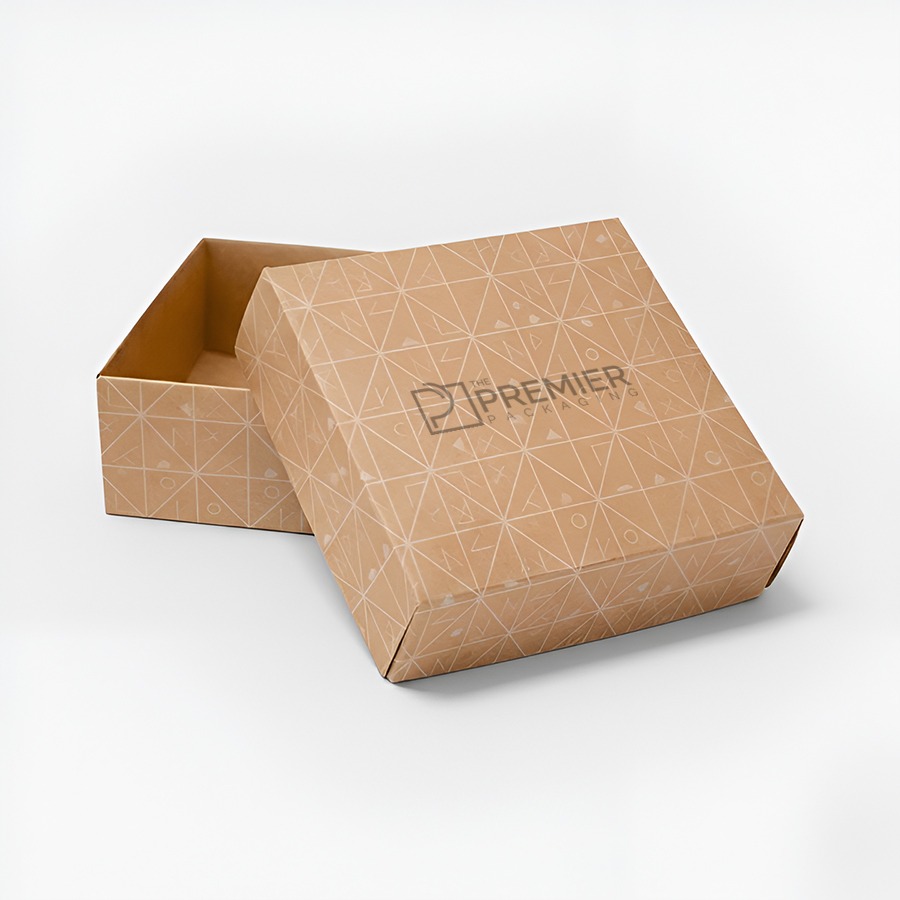
For product businesses, this includes product packaging, business cards, stationery, promotional materials, and print-ready design files. Packaging in particular has a direct effect on purchase decisions, especially for products sold in stores or unboxed on camera.
Digital Marketing Creative
This covers social media ad creatives, email graphics, campaign visuals, landing page graphics, and digital advertisements. Since these assets are tied directly to marketing performance, having a team that understands both design and marketing goals tends to produce better results than design alone.
Video and Motion Graphics
This includes promotional videos, animated graphics, explainer videos, and social media video content. Video has become a standard expectation on most platforms, and having it produced by a team that already understands your brand keeps it consistent with everything else you put out.
What Are the Benefits of Hiring a Full Service Creative Design Agency?
Consistent Brand Identity
When one team handles your logo, website, and marketing materials, your visual identity stays consistent across every channel. That consistency is part of what makes a brand recognizable; customers start to associate a certain look with your business without having to think about it.
One Team for Multiple Services
Instead of managing separate contracts and communication threads with a logo designer, a web developer, and a graphic designer, you work with a single point of contact. This alone removes a lot of the coordination work that falls on business owners when they hire separately.
Better Creative Strategy
An experienced agency connects design decisions to actual business goals not just making something look appealing, but making it work toward a specific outcome, whether that’s more sign-ups, more sales, or stronger brand recognition. This kind of creative strategy is difficult to get from someone only handling one isolated task.
Saves Time and Resources
Every new freelancer means repeating the same onboarding explaining your brand, your audience, your preferences. A team that already knows your business skips that step and moves faster as a result.
Easier to Scale
As a business grows, so does its creative workload: more campaigns, more products, more content across more channels. A full-service agency can absorb that growth without you having to go find and vet new vendors each time.
Better Quality Control
Agency teams typically review work internally before it reaches the client, which tends to catch inconsistencies or mistakes earlier. With freelancers working independently, there’s often no second set of eyes checking that everything fits together.
Full Service Creative Design Agency vs. Freelancers
Cost — Freelancers are often cheaper for small, one-off jobs. Agencies typically cost more, but that cost usually reflects a broader range of services and more structured quality control.
Communication — Agencies offer one point of contact. With freelancers, you’re often managing several separate conversations at once.
Brand consistency — Agency teams work from shared brand guidelines. Freelancers working independently may each interpret your brand slightly differently.
Quality control — Agencies generally have internal review processes. Freelancer work quality can vary from person to person, with no built-in oversight.
Turnaround time — Agencies with dedicated teams can often move faster on larger projects. A single freelancer may take longer if they’re balancing multiple clients alone.
Range of services — Agencies cover more ground in one place. Freelancers usually specialize in one or two areas.
Scalability — Agencies are generally better suited to handle growing workloads. Freelancers may struggle to keep up once your needs expand significantly.

Long-term support — Agencies often provide ongoing support as a standard part of the relationship. Freelancer relationships can be less consistent depending on their availability.
For a single small task, say, a one-time flyer, a freelancer is often the more practical choice. But for ongoing, coordinated creative work across multiple channels, a full service agency tends to be the more sustainable option.
How Much Does a Full Service Creative Design Agency Cost?
Factors That Affect Creative Agency Pricing
Pricing depends on several variables:
- Number of services — a logo package costs less than a bundle covering branding, a website, and marketing creative.
- Project complexity — a simple brochure site costs less than a custom platform with advanced UI/UX work.
- Agency experience — more established agencies with a proven portfolio typically charge more.
- Number of deliverables — more assets and formats generally mean a higher cost.
- Project timeline — rushed timelines can add to the cost.
- Customization — fully custom design work costs more than working from existing templates.
- One-time projects vs. ongoing retainers — retainers are billed monthly and priced differently than a single fixed-scope project.
Common Pricing Models
Most agencies price their work using one of a few common structures:
- Fixed project pricing — a set cost for a clearly defined project, like a logo package or a website build.
- Hourly pricing — billed based on time spent, more common for smaller or less-defined tasks.
- Monthly retainers — a recurring fee for ongoing creative support, common for businesses that need regular content.
- Package-based pricing — bundled services at set price tiers, useful for businesses that want predictable costs.
How to Get the Best Value
The lowest price isn’t always the best deal. It’s worth comparing what’s actually included: deliverables, quality of past work, agency experience, number of revisions, and turnaround time rather than choosing based on price alone. A slightly higher cost that includes more revisions and faster turnaround can end up being better value than a cheaper option that leaves you needing extra work later.
When Should You Hire a Full Service Creative Design Agency?
Certain moments tend to call for this kind of support more than others:
- Starting a new business and needing a complete brand identity built from the ground up.
- Launching a new product that needs packaging, marketing assets, and campaign creative together.
- Rebranding a business that has outgrown its current look.
- Redesigning an outdated website that no longer performs well or reflects the brand.
- Running major marketing campaigns that require a large volume of coordinated visuals.
- Expanding into new markets, where consistent branding matters even more.
- Managing multiple creative projects at once, where coordinating separate freelancers becomes impractical.
How to Choose the Right Full Service Creative Design Agency?
Review Their Portfolio
Look at actual completed projects rather than just polished case studies. Check whether the agency can adapt its style across different brands, or whether everything looks similar regardless of client.
Check Their Services
Confirm the agency genuinely offers what you need now and ideally what you might need later, so you’re not switching providers again in six months.
Understand Their Process
A clear discovery, strategy, design, feedback, and delivery process usually means fewer surprises and smoother communication throughout the project.
Read Reviews and Testimonials
Look past the star rating and read what clients actually say about communication, deadlines, and how revisions were handled; that detail tells you more than a number.
Ask About Pricing
Request a clear, written proposal that spells out deliverables, timelines, number of revisions, and total cost, rather than relying on a vague verbal estimate.
Look for Strategic Thinking
A good agency asks about your business goals, target audience, and competitors before jumping into design work. If they skip straight to visuals without asking questions, that’s a sign worth noting.
What Should You Expect From the Creative Design Process?
Discovery and Research
The agency learns about your business, audience, competitors, and goals. This groundwork shapes every decision that follows.
Creative Strategy
Based on that research, the team maps out a creative direction, tone, visual style, and how the work will support your broader goals.
Concept Development
Initial concepts are developed and presented, often as a couple of different directions so you can react before committing to one.
Design and Revisions
The chosen concept moves through feedback and refinement until it matches what you actually need, not just what was first proposed.
Final Delivery
Approved designs are finalized and prepared for use across websites, print, social media, and marketing campaigns.
Ongoing Creative Support
For many businesses, the relationship doesn’t end at delivery. Agencies often continue providing updates, new campaign assets, or website maintenance well after the initial project wraps up.
Questions to Ask Before Hiring an Agency
Before signing on with any agency, it helps to get clear answers to a few practical questions.
Ask what creative services they actually provide, since some agencies say “full service” but quietly outsource parts of the work. Ask whether they’ve worked with businesses like yours; direct industry experience can shorten the learning curve considerably.
Get specifics on what’s included in their pricing, and how many revisions come with each project, since unlimited revisions and one-round revisions are very different deals. Ask who will manage your project day to day, and how long the work is expected to take from kickoff to delivery.
Find out whether they offer ongoing support after the initial project, and whether they can realistically handle multiple projects at once if your needs grow. Clear answers to these questions upfront tend to prevent most of the friction that comes up later.
Why Choose American Design Hub?
American Design Hub is a creative and digital agency built around helping businesses handle their branding and creative needs without juggling multiple vendors. The team covers branding and strategy, website design and development, UI/UX design, digital marketing, video and animation, and general creative design services.
Having strategic and creative work available under one roof means a business can move from a branding conversation to a finished website or campaign asset without losing consistency along the way. That kind of continuity is part of what makes working with a single creative partner practical for businesses that don’t have the time to manage several vendors separately.
Conclusion
A full service creative design agency brings branding, web design, marketing creative, and strategy together under one team, instead of scattering the work across multiple freelancers. That structure supports consistency, simpler communication, stronger creative strategy, and the ability to scale as a business grows.
The right agency for your business should be chosen based on the quality of their past work, the range of services they offer, how clearly they explain their process, their relevant experience, and the overall value of what they deliver, not just the lowest quote.
If your business is ready for a creative partner that can handle branding, design, and digital work together, American Design