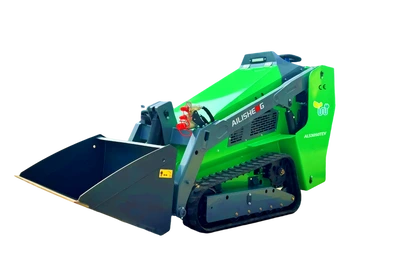
Electric Skid Loader Applications in Landscaping, Farming, and Material Handling
Electric construction equipment is becoming an increasingly practical choice for businesses that need reliable performance, lower local emissions, and quieter operation. Among the available options, compact battery-powered loaders are gaining attention because they can handle a wide range of tasks without relying on diesel fuel. Their versatility makes them useful across landscaping projects, agricultural operations, warehouses, and construction sites.

An Electric Skid Loader combines compact dimensions with electric power and attachment flexibility, allowing operators to move materials, prepare surfaces, and complete routine handling tasks in different environments. Depending on the machine’s rated capacity, hydraulic performance, battery runtime, and compatible attachments, it can help businesses improve productivity while managing operating expenses. Understanding its applications makes it easier to determine where this equipment can deliver the greatest value.

What Is an Electric Skid Loader?
An electric skid loader is a compact loader powered by a rechargeable battery rather than a conventional diesel engine. It uses a skid-steering system, which allows the left and right sides of the machine to operate at different speeds so it can turn within a relatively small space.
This design is particularly useful in areas where larger equipment may struggle to maneuver. Electric skid loaders can be equipped with buckets, pallet forks, grapples, augers, sweepers, and other compatible attachments, depending on the model.
Because they produce no tailpipe exhaust during operation, electric skid loaders can be suitable for certain indoor applications and locations where local emissions are a concern. Their operating noise may also be lower than that of comparable diesel-powered machines, although actual noise levels depend on the machine, attachment, and working conditions.
1. Electric Skid Loader Applications in Landscaping
Landscaping involves many tasks that require compact equipment, precise maneuvering, and efficient material movement. Electric skid loaders can support these activities across residential properties, commercial developments, parks, and outdoor renovation projects.
Soil Preparation and Ground Leveling
Preparing the ground is an important stage in many landscaping projects. Operators may need to move topsoil, distribute fill material, level uneven surfaces, or prepare areas for planting.
With a suitable bucket or grading attachment, an electric skid loader can move soil and assist with surface preparation. Its compact design can make it useful in smaller work areas where larger loaders would be difficult to position.
The machine’s actual grading capability depends on its weight, traction, hydraulic system, and attachment compatibility.
Moving Mulch, Gravel, and Decorative Stone
Landscaping projects often require materials to be transported from delivery points to planting beds, pathways, and other designated areas. An electric skid loader can help move mulch, gravel, sand, and decorative stone when the loads remain within its rated capacity.
Using a suitable bucket can reduce the need for manual handling and help crews distribute materials more consistently. Operators should consider surface conditions and avoid unnecessary turning on finished lawns or delicate paving to minimize ground damage.
Tree Planting and Vegetation Management
Some landscaping operations involve moving shrubs, handling green waste, or preparing planting areas. Depending on the model and attachment, an electric skid loader may assist with moving root balls, collecting branches, and transporting vegetation.
Compatible auger attachments may also help prepare planting holes. Before using powered attachments, operators should verify the machine’s hydraulic requirements and follow safe operating procedures.
Landscaping Cleanup
At the end of a project, workers often need to remove branches, loose soil, discarded materials, and other debris. A bucket or approved grapple attachment can help collect and transport these materials.
Electric operation may be especially beneficial for landscaping work near homes, schools, hospitals, and other noise-sensitive locations, subject to applicable site requirements.
2. Electric Skid Loader Applications in Farming
Agricultural businesses perform a wide variety of material-handling and maintenance tasks every day. Electric skid loaders can support many of these operations, particularly where the work takes place around barns, storage buildings, livestock facilities, or other areas with convenient charging access.
Feed and Bedding Distribution
Farm workers frequently move feed, straw, hay, and bedding materials between storage areas and animal facilities. A suitably equipped electric skid loader can help transport these materials and reduce repetitive manual labor.
Buckets, forks, and other compatible attachments may be used depending on the material and handling requirements. When operating around livestock, quieter equipment can be an advantage, although operators should still introduce machinery carefully and follow animal-handling safety procedures.
Manure and Waste Handling
Managing manure and agricultural waste is an important part of maintaining farm facilities. Electric skid loaders fitted with suitable buckets or approved attachments can help collect, move, and load waste within designated areas.
The machine must be selected according to the material’s weight, the surface conditions, and the required lifting height. Wet or uneven ground can affect traction and energy consumption, so contractors and farm operators should assess these conditions before selecting a machine.
Moving Hay Bales and Agricultural Supplies
Some electric skid loaders can handle palletized supplies, feed containers, and hay bales when equipped with compatible forks or bale-handling attachments.
Operators must verify the rated operating capacity and load center for the specific machine. Loads should never exceed manufacturer limits, and visibility must remain adequate during transport.
Maintenance Around Agricultural Buildings
Farms often require equipment to move soil, clear debris, transport supplies, and maintain access routes. A compact electric loader may help complete these tasks around workshops, storage buildings, and other facilities.
For indoor agricultural work, the absence of tailpipe exhaust can offer an advantage over combustion-powered equipment. However, charging arrangements, battery safety, ventilation, and the facility’s operating requirements must still be considered.
Is Electric Equipment Suitable for Every Farm?
Not necessarily. Electric skid loaders can be useful for predictable workloads near reliable electrical supplies, but remote fields and extended outdoor operations may create charging challenges.
Farm operators should compare expected runtime, charging duration, ground conditions, load requirements, and seasonal workloads before investing. A machine that performs well around a farm building may not be suitable for every field operation.
3. Electric Skid Loader Applications in Material Handling
Material handling is another important application for electric skid loaders. Warehouses, manufacturing facilities, recycling operations, and construction supply yards all require equipment capable of moving materials efficiently within limited spaces.
Warehouse Operations
Warehouses often need to transport packaged goods, move materials between storage areas, and support loading or unloading activities. An electric skid loader with suitable attachments may assist with certain tasks, particularly in larger warehouse spaces or designated material-handling zones.
Its compact footprint can help operators work around obstacles, but the machine must be appropriate for the facility’s aisle widths, floor loading limits, and pedestrian traffic arrangements.
Electric skid loaders are not direct replacements for every forklift or pallet truck. Buyers should confirm whether the loader’s dimensions, load capacity, turning characteristics, and lifting geometry suit the specific handling task.
Construction Material Transport
Construction sites require frequent movement of sand, gravel, soil, bricks, debris, and other materials. An electric skid loader can transport suitable loads between work areas, helping reduce manual handling and improve site organization.
Bucket attachments are useful for loose materials, while compatible forks may support certain palletized loads. The best attachment depends on the material, its weight, and the way it needs to be moved.
On larger projects, travel distance and continuous operating time should be considered carefully because repeated hauling can increase battery consumption.
Loading and Unloading Supplies
Electric skid loaders can assist with loading loose materials into appropriate containers or moving supplies around a site. Their tight turning ability can be valuable when working in restricted loading zones.
However, the machine’s lift height and rated capacity must match the intended task. Operators should also account for truck-bed height, access conditions, ground stability, and safe clearance around people and vehicles.
Recycling and Waste Management
Recycling centers and waste-handling facilities need equipment to collect, sort, and move a variety of materials. Depending on the machine’s specifications, a skid loader equipped with a bucket or grapple may help move suitable waste streams.
Electric models can be attractive for indoor recycling operations because they avoid tailpipe emissions during use. Buyers should assess dust exposure, battery protection, cooling requirements, and the compatibility of attachments with the materials being handled.

4. Benefits of Using Electric Skid Loaders Across Different Industries
Although landscaping, farming, and material handling have different requirements, electric skid loaders can offer several shared advantages.
Reduced Local Exhaust Emissions
Battery-powered equipment does not produce tailpipe exhaust while operating. This can be beneficial in enclosed facilities and locations where local air quality is important.
The overall environmental impact still depends on electricity generation, battery manufacturing, equipment lifetime, and end-of-life battery management.
Potentially Lower Energy Costs
Electricity can cost less than diesel fuel for an equivalent amount of useful work, depending on local energy tariffs and equipment efficiency.
Businesses should compare actual energy consumption with the fuel use of comparable conventional machines. Electricity prices, charging losses, workload, and utilization all affect potential savings.
Fewer Combustion-Engine Maintenance Tasks
Electric skid loaders do not require engine oil changes or diesel fuel-filter replacements for a combustion engine. This can reduce some routine service requirements.
However, batteries, electrical components, hydraulic systems, tires or tracks, and cooling systems still require appropriate inspection and maintenance. Battery replacement costs should also be included in long-term ownership calculations.
Maneuverability in Restricted Areas
The skid-steer design allows the machine to turn within a relatively small area. This is useful for landscaping around buildings, moving supplies in agricultural facilities, and handling materials in compact work zones.
Operators should still consider tire or track wear, surface protection, and the clearance needed to complete each task safely.
Attachment Flexibility
Compatible attachments can expand the range of jobs a single machine can perform. A bucket may be suitable for soil and loose materials, while forks or grapples may support other handling requirements.
Before switching attachments, operators should confirm compatibility, hydraulic flow and pressure, connection requirements, and rated load limits.
5. How Battery Runtime Affects Daily Productivity
Battery runtime is a major consideration when using electric skid loaders across different industries. The machine must have enough usable energy to complete the planned workload without disrupting the work schedule.
Actual operating time depends on battery capacity, average power consumption, load weight, terrain, attachment use, temperature, and operator behavior.
For example, a landscaping project involving short movements and intermittent loading may require a different amount of energy from a farm operation that repeatedly lifts heavy materials. A warehouse task involving frequent acceleration and repositioning may also produce a different consumption pattern.
To estimate daily requirements, businesses should:
- Identify the number of operating hours needed between charges.
- Estimate the proportion of time spent on heavy-duty tasks.
- Review the energy requirements of planned attachments.
- Consider travel distances and surface conditions.
- Confirm charging time and available electrical capacity.
- Compare manufacturer runtime estimates with representative work cycles.
If the machine needs to operate across multiple shifts, businesses should assess whether planned charging periods or additional equipment are required.
6. Choosing the Right Attachments for Each Application
Attachment selection affects versatility, productivity, and energy consumption. The right tool allows an electric skid loader to complete a task more efficiently while staying within its operating limits.
| Application | Potential Attachment | Main Purpose |
|---|---|---|
| Landscaping | General-purpose bucket | Moving soil, gravel, mulch, and debris |
| Landscaping | Auger | Preparing holes for planting or approved ground work |
| Farming | Pallet forks | Moving suitable palletized supplies |
| Farming | Bale-handling attachment | Transporting compatible hay or straw bales |
| Material handling | Bucket | Moving loose construction materials |
| Waste management | Grapple | Collecting and handling compatible bulky materials |
| Site cleanup | Sweeper attachment | Collecting suitable loose debris |
This table provides general examples, not universal compatibility guidance. Attachment availability and performance vary by model. Always confirm the machine’s approved attachment list and technical requirements before use.
7. Factors to Consider Before Buying an Electric Skid Loader
Selecting the right machine requires more than identifying the intended industry. Businesses should evaluate the actual working conditions and equipment requirements.
Rated Operating Capacity
Determine the maximum loads the machine must handle and compare them with the manufacturer’s rated operating capacity and applicable load limits. Consider the weight of the attachment as well as the material.
Working Environment
Assess whether the equipment will operate indoors, outdoors, on paved surfaces, or on soft and uneven ground. The choice between wheels and tracks, where available, can affect traction, surface impact, and operating efficiency.
Battery Capacity and Charging Access
Confirm usable battery capacity, expected runtime, charging duration, and charger requirements. Reliable charging access is particularly important for businesses with fixed work schedules or high daily utilization.
Hydraulic Performance
Some attachments require specific hydraulic flow and pressure. Check these requirements before purchasing the machine to avoid limitations during operation.
Service and Warranty Support
Review the availability of replacement parts, technical support, battery warranty terms, and routine maintenance services. These factors can influence equipment uptime and long-term costs.
Total Cost of Ownership
Compare purchase price, energy consumption, maintenance, charging infrastructure, battery-related expenses, and expected resale value. This gives a more complete picture of the investment than the initial price alone.
8. Operating Electric Skid Loaders Safely
Safe operation is essential across landscaping, agriculture, and material-handling environments. Operators should receive appropriate training and follow the machine manufacturer’s instructions.
Important practices include:
- Inspect the machine and attachment before use.
- Keep loads within rated operating limits.
- Maintain visibility and use designated travel routes.
- Keep people clear of the operating area.
- Follow safe procedures when changing attachments.
- Use extra care on slopes, soft ground, and uneven surfaces.
- Follow the manufacturer’s battery charging and storage requirements.
- Keep charging equipment protected from damage and environmental hazards as specified by the manufacturer.
In agricultural facilities, operators should also consider livestock movement and restricted access areas. In warehouses, pedestrian separation and floor capacity are important. On landscaping sites, underground utilities and the condition of the ground should be checked before digging or drilling.
Frequently Asked Questions
Can an electric skid loader be used for landscaping?
Yes. Depending on its specifications and attachments, it can assist with soil preparation, material transport, grading, planting-related tasks, and cleanup. The machine must be suitable for the project’s load and ground conditions.
Are electric skid loaders suitable for farming?
They can be useful for handling feed, bedding, agricultural supplies, manure, and other materials around suitable farm facilities. Charging access, runtime, terrain, and load capacity should be assessed before purchase.
Can an electric skid loader work inside a warehouse?
Some models can perform selected material-handling tasks in warehouses, provided the dimensions, load capacity, lift height, and turning characteristics match the facility. They do not automatically replace forklifts or other specialized warehouse equipment.
Do electric skid loaders cost less to operate?
They may offer lower energy expenses and fewer combustion-engine maintenance requirements than comparable diesel machines. Actual savings depend on electricity prices, utilization, maintenance needs, battery life, and charging infrastructure.
How long can an electric skid loader operate on one charge?
Runtime varies by battery capacity, workload, terrain, temperature, and attachment use. Buyers should consult manufacturer specifications and assess performance under working conditions similar to their intended application.
Conclusion
Electric skid loaders can support a broad range of activities in landscaping, farming, and material handling. Their compact design, attachment versatility, and battery-powered operation make them useful for tasks that require maneuverability and reliable material movement.
In landscaping, they can help prepare surfaces and transport soil or decorative materials. In farming, they can support feed distribution, waste handling, and movement of supplies. In material-handling environments, they can assist with moving construction materials, selected warehouse loads, and compatible waste streams.
The most effective choice depends on machine capacity, battery runtime, attachment compatibility, charging access, and the demands of the work environment. By evaluating these factors before purchasing, businesses can identify suitable applications and make better-informed decisions about incorporating electric skid loaders into their operations.