EECP Treatment in Jaipur: Understanding a Non-Surgical Approach to Heart Care
EECP treatment in Jaipur is gaining attention among people looking for a non-surgical option to manage certain heart-related conditions. Many patients with chest pain, coronary artery disease, reduced heart function, or those who are not suitable candidates for surgery are exploring EECP as an alternative treatment option.

Enhanced External Counterpulsation (EECP) is a non-invasive therapy that aims to improve blood circulation and support heart function without the need for angioplasty or bypass surgery. It is often recommended for selected patients experiencing ongoing heart-related symptoms despite medical management. Studies have shown that EECP may help improve blood flow, reduce angina symptoms, and enhance exercise capacity in suitable patients.

In this blog, we will explain how EECP works, who may benefit from it, and why many patients consider EECP treatment in Jaipur as part of their heart care journey.
What Is EECP Treatment?
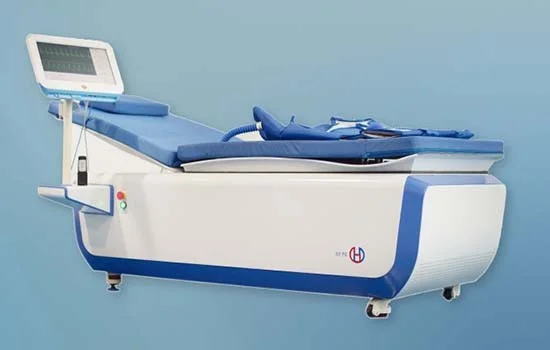
Enhanced External Counterpulsation (EECP) is an outpatient therapy that uses specially designed inflatable cuffs placed around the legs and lower body. These cuffs inflate and deflate in synchronization with the heartbeat, helping increase blood flow back to the heart and improving circulation throughout the body.
The treatment is designed to support the development of collateral circulation, often referred to as “natural bypasses,” which may help improve blood supply to heart muscles. EECP has been approved for specific heart conditions and is widely used as a non-invasive treatment option for chronic stable angina and selected heart failure patients.
Why Patients Choose EECP Treatment in Jaipur
Many patients prefer EECP treatment in Jaipur because it offers a non-surgical approach to heart care. Unlike invasive procedures, EECP does not require anesthesia, hospitalization, or surgical incisions.
Some reasons patients consider EECP include:
- Non-invasive treatment approach
- No surgical cuts or stitches
- No lengthy recovery period
- Outpatient procedure
- Can be combined with ongoing medical management
- May improve quality of life and physical activity levels
Research and clinical experience suggest that EECP can help reduce symptoms such as chest discomfort and improve exercise tolerance in appropriately selected patients.
How Does EECP Treatment Work?
During an EECP session, inflatable cuffs are wrapped around the calves, thighs, and buttocks. These cuffs are connected to a computerized system that synchronizes their inflation and deflation with the patient’s heartbeat.
The process works in the following way:
1. Increased Blood Flow to the Heart
The cuffs inflate during the resting phase of the heartbeat, helping push blood toward the heart. This may improve oxygen delivery to heart tissues.
2. Support for Collateral Circulation
Repeated sessions may encourage the development of small alternative blood vessels that help improve circulation around narrowed arteries.
3. Reduced Workload on the Heart
The cuffs rapidly deflate before the heart pumps again, making it easier for the heart to circulate blood.
Who Can Benefit from EECP Treatment?
EECP may be considered for individuals experiencing ongoing heart-related symptoms despite standard medical treatment. It is often recommended after a thorough cardiac evaluation.
Patients who may benefit include:
- Individuals with coronary artery disease (CAD)
- Patients experiencing chronic stable angina
- People with reduced exercise tolerance due to heart conditions
- Patients with heart failure and reduced pumping efficiency
- Individuals who are not suitable candidates for bypass surgery or angioplasty
- Patients who continue to have symptoms after previous heart procedures
However, every patient is different. A detailed assessment by a heart specialist is necessary before deciding whether EECP is an appropriate option.

Conditions Commonly Managed with EECP
EECP therapy is often used as part of a comprehensive heart care plan for conditions such as:
Coronary Artery Disease (CAD)
Reduced blood flow caused by narrowed coronary arteries may lead to chest pain and discomfort. EECP may help improve circulation and symptom management.
Chronic Stable Angina
Patients with recurring chest pain that persists despite medications may experience symptom relief with EECP.
Heart Failure
Some patients with reduced heart pumping capacity may benefit from improved circulation and enhanced exercise tolerance following EECP therapy.
What Happens During an EECP Session?
A typical EECP session is comfortable and does not require hospitalization.
The process generally includes:
- Initial evaluation and monitoring
- Placement of ECG leads to monitor heart rhythm
- Application of inflatable cuffs on the lower body
- Computer-controlled inflation and deflation synchronized with the heartbeat
- Continuous supervision by trained healthcare professionals
Many treatment plans involve multiple sessions spread over several weeks, depending on the patient’s condition and treatment goals.
Benefits of EECP Treatment
Patients often choose EECP because of its non-surgical nature and potential benefits.
Some commonly reported benefits include:
- Improved blood circulation
- Better exercise tolerance
- Reduced frequency of chest discomfort
- Enhanced quality of life
- Increased physical activity capacity
- Support for long-term heart health management
While outcomes vary among individuals, many patients report improvements in daily activities after completing their treatment program.
Choosing the Right Heart Care Facility
When considering EECP treatment in Jaipur, it is important to seek care from experienced healthcare professionals who can evaluate your condition and recommend the most suitable treatment plan.
Patients should look for:
- Experienced cardiac care teams
- Comprehensive heart health assessment
- Personalized treatment planning
- Ongoing monitoring and support
- Access to advanced non-invasive therapies
For patients seeking complete cardiac care, consulting a dedicated heart hospital in Jaipur can help ensure proper diagnosis, treatment selection, and long-term heart health management.
Conclusion
EECP treatment in Jaipur offers a non-invasive option for selected patients dealing with coronary artery disease, angina, heart failure, and other heart-related conditions. By improving blood circulation and supporting heart function, EECP may help patients experience better quality of life without undergoing major surgery.
Although EECP is not a replacement for every cardiac procedure, it can be a valuable treatment option for individuals who are not suitable candidates for invasive interventions or who continue to experience symptoms despite conventional treatment.
If you are experiencing ongoing heart-related symptoms, consult a qualified cardiac specialist or a trusted heart hospital in Jaipur to determine whether EECP therapy is appropriate for your condition and overall health goals.