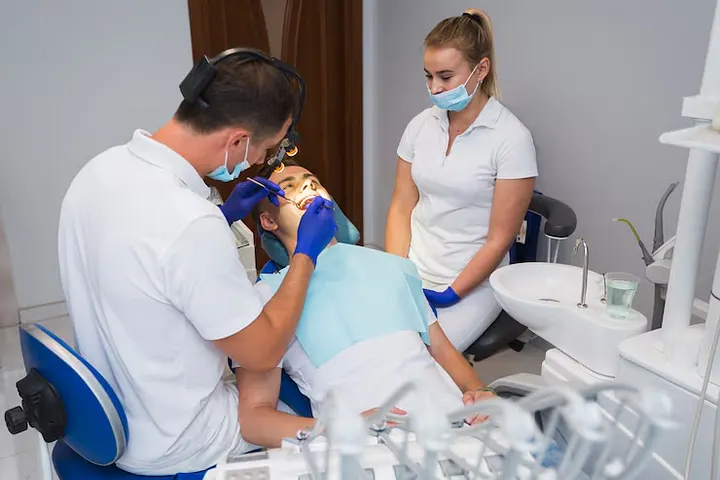
Let’s start simple. If you’re looking into Dental Bridges Simi Valley Ca residents rely on, you probably have a gap where a tooth used to be, and you’re tired of it. A bridge fills that gap. It’s a false tooth, or a couple of them, held in place by the teeth on either side.

Think of an actual bridge over a river. The false tooth is the span in the middle, and the neighbouring teeth are the supports on each bank. The crowns on those supporting teeth hold everything steady.

People lose teeth for all kinds of reasons. Decay, an accident, gum disease, a bad extraction years ago. Doesn’t matter much. What matters is that a gap doesn’t just sit there quietly. It causes problems over time, and we’ll get to that.
Why Not Just Leave the Gap?
Plenty of people do, especially if the missing tooth is way in the back where nobody sees it. I get it. It feels like a problem for later.
But teeth are like neighbours who lean on each other. Remove one and the others start drifting into the space, tilting over, slowly shifting your bite. The tooth opposite the gap can also creep downward or upward because nothing’s stopping it. Chewing gets uneven, and food starts jamming into spots it never used to.
There’s the jaw bone too. Without a root there, the bone in that spot slowly shrinks. It’s gradual, you won’t feel it happen. Then there’s the confidence side. Some folks stop smiling in photos or cover their mouth when they laugh. That’s a real cost, even if it’s not on any invoice.

What Types of Bridges Are There?
Four main kinds, give or take. The traditional bridge is the one most people picture. Crowns go on the teeth either side of the gap, with the false tooth fused between them. It’s strong, it’s common, and it works well when you’ve got healthy teeth on both sides.
A cantilever bridge is anchored to just one neighbouring tooth. It can work in spots with less chewing force, but it puts extra stress on that single support, so dentists use it carefully. A Maryland bridge uses a metal or porcelain framework bonded behind the neighbouring teeth, so less filing down is needed. Often it’s used for front teeth.
Then there’s the implant-supported bridge. Instead of leaning on natural teeth, it’s anchored to dental implants placed in the jaw. It costs more and takes longer, but it protects the neighbouring teeth and helps preserve bone. Which type suits you depends on your gap, your teeth and your budget.
How Does the Process Work?
Usually it takes two visits, sometimes a few more. First comes the exam and planning. Your dentist checks the gap, takes x-rays, and makes sure the supporting teeth are healthy enough to carry the load. If there’s decay or gum disease, that gets treated first. No point building on shaky ground.
Then the prep. The teeth beside the gap get shaped down so crowns can fit over them. That sounds worse than it is, because you’re numbed up. Impressions or digital scans go to a lab, which makes your custom bridge. In the meantime, you’ll wear a temporary one so you’re not walking around with a hole.
At the second visit, the temporary comes off and the permanent bridge gets tried in. Fit, bite and colour get checked. If everything looks right, it’s cemented in place. Expect a day or two of getting used to it. It might feel big at first, but your tongue adjusts quicker than you’d think.
How Much Will It Cost?
Honest answer, it varies a lot. A traditional three-unit bridge, two crowns and one false tooth, often lands somewhere in the low to mid thousands of dollars. Implant-supported bridges cost more, sometimes quite a bit more. Materials matter, too. Porcelain fused to metal is different from all-ceramic or zirconia, and prices follow.

Where you live plays in, and so does how much prep work you need. Extra treatments like gum therapy or a root canal on a support tooth add to the total. Ask for a written estimate that breaks everything down, so you’re not surprised later.
Insurance often helps. Many dental plans cover part of a bridge, commonly around half, up to an annual maximum. Check your plan before you commit, and ask the office to run it through for you. Plenty of practices also offer payment plans. If a place won’t talk money plainly, move on.
Where Should You Go for the Work?
You want someone who does this regularly, not once in a blue moon. Ask how many bridges they place each year, and look at before-and-after photos of real patients. Pay attention to how the work blends in. A good bridge should look like it grew there.
If you’re searching for a dental clinic Simi Valley locals recommend, start with word of mouth. Ask friends, coworkers, neighbours. Read online reviews, but look at the middling ones, not just the five-star raves or the angry one-stars. A calm three-star often tells you the most.
Visit before you commit if you can. Is the office clean? Do the staff explain things in plain English? Does the dentist listen, or just lecture? A decent consultation should leave you feeling informed, not pressured. And ask about the lab they use. Quality labs make a noticeable difference in fit and appearance.
How Long Do Bridges Last, and How Do You Look After Them?
Typically somewhere between five and fifteen years, and many last longer with good care. Some fail early, usually because of decay under the crown or gum problems around the supporting teeth. So the bridge isn’t really the weak point. Your own teeth are.
Cleaning is the part people skip. You can’t floss a bridge the normal way, because the false tooth is attached on both sides. You need a floss threader, a special floss, or a water flosser to clean underneath. It takes thirty seconds, honestly. Skip it and food and bacteria collect under there, leading to cavities and gum trouble.
Keep up with checkups and cleanings, usually twice a year. Avoid chewing ice, hard candy or pen caps, which can crack porcelain. If you grind your teeth at night, mention it, since a night guard might save your bridge. Small habits really do add years.
What Are the Alternatives, and When Should You Pick Them?
Implants are the big one. A single implant replaces just the missing tooth, root and all, without touching the neighbours. They tend to last a long time and help keep your jaw bone healthy. The tradeoff is cost and time, since healing can take months. Some people also need bone grafts first.
Partial dentures are another option. They’re removable, usually cheaper, and good for replacing several teeth. Some folks find them less comfortable or less natural. Others prefer them for the price and the fact that nothing needs to be drilled down.
So which one’s best? Depends. If your neighbouring teeth already have big fillings or crowns, a bridge makes sense, since they’re getting covered anyway. If they’re healthy and untouched, an implant might preserve them better. A good dentist will walk you through the tradeoffs rather than push one product. If they only offer one solution for everybody, ask why.
Conclusion
For a lot of people, yes. A well-made bridge brings back your chewing, your smile and your confidence, and it does it faster than most alternatives. You’re not waiting months for healing, and it’s often more affordable than implants. Whether you’re looking at Dental Bridges Simi Valley Ca providers or comparing options elsewhere, the basics are the same.
Do your homework. Get a clear estimate, ask about materials and the lab, and be honest with your dentist about your budget and habits. If a dental clinic Simi Valley offers a first consultation, take it. Bring questions, and don’t feel rushed into any decision.
Most of all, don’t let a gap sit for years. It’s easier and cheaper to deal with now than after the neighbours have shifted. Book the exam, find out your options, then pick what fits your life.