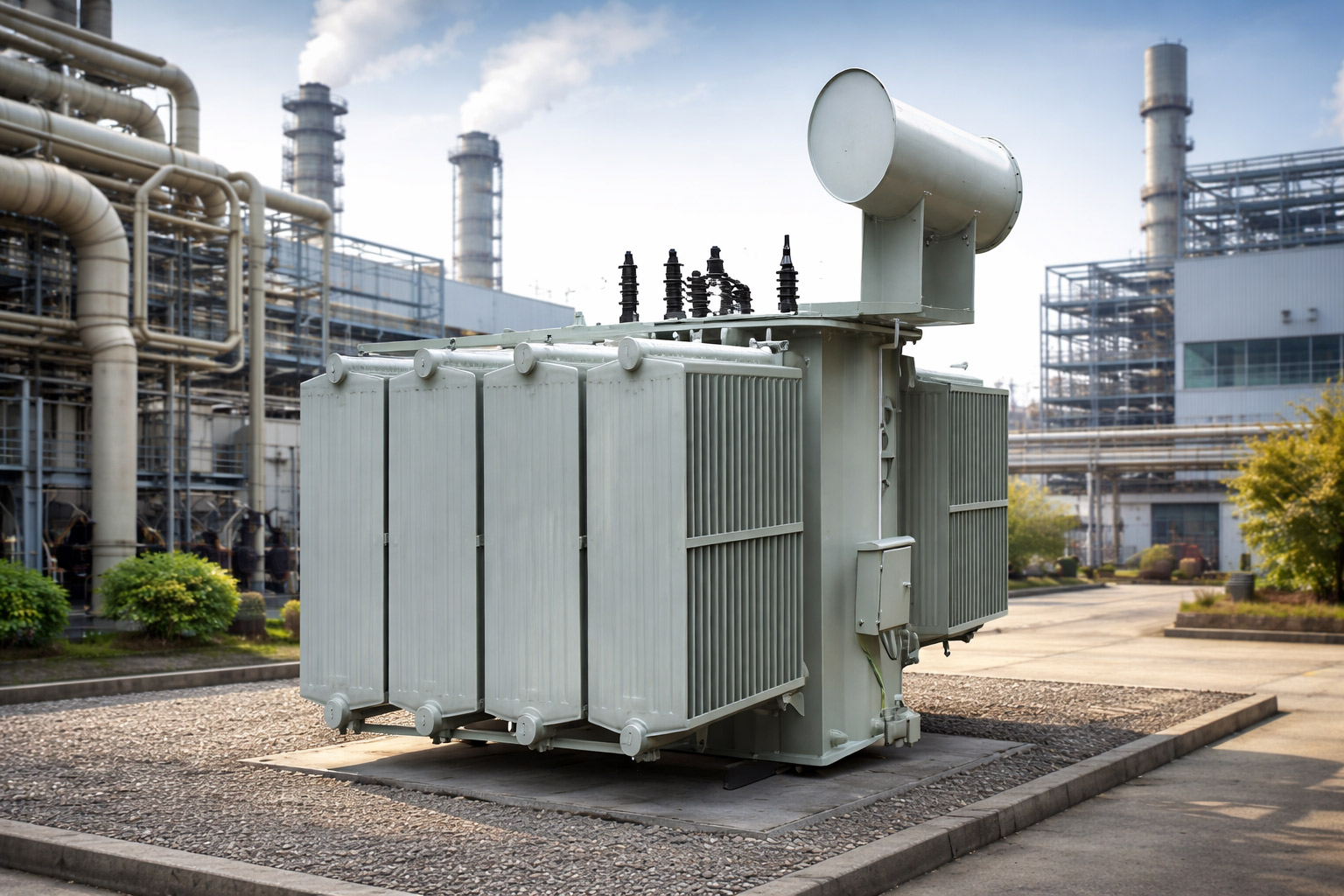
Reliable electricity distribution depends on equipment that can handle changing loads, demanding weather conditions, and long operating hours. Among the most important components in a distribution network is the distribution transformer, which reduces electrical voltage to a level suitable for homes, businesses, commercial buildings, and industrial facilities.

For utilities, contractors, infrastructure developers, and industrial users in Northeast India, selecting the right supplier is especially important. The region includes diverse terrain, remote locations, humid conditions, and growing demand for dependable power infrastructure. This makes equipment quality, technical suitability, transportation, installation support, and after-sales service important considerations when evaluating distribution transformer manufacturers in north east.

What Is a Distribution Transformer?
A distribution transformer is an electrical device designed to step down medium or high voltage to a lower voltage that can be safely distributed to end users. It is commonly installed near the point where electricity is consumed, such as residential areas, commercial facilities, factories, and public infrastructure.
The transformer transfers electrical energy between windings through electromagnetic induction while maintaining the required voltage relationship. Its main components can include:
- Core and windings
- Insulation system
- Transformer oil in oil-immersed designs
- Bushings and terminals
- Conservator and breather arrangements, where applicable
- Cooling components
- Protective and monitoring equipment
The exact configuration depends on the voltage level, capacity, installation environment, and application.
Why Distribution Transformers Matter in Northeast India
Northeast India has a growing need for dependable electrical infrastructure across urban centres, developing towns, industrial areas, rural communities, and infrastructure projects. Distribution transformers are essential for converting electricity into usable voltage levels before it reaches consumers.
However, selecting equipment for the region requires more than simply choosing a transformer based on its capacity.
Local conditions may influence transformer selection, transportation, installation, and maintenance. Projects located in hilly or remote areas may also require additional planning for logistics and accessibility.
Key factors to consider include:
- Required transformer capacity
- Primary and secondary voltage
- Expected load pattern
- Installation location
- Ambient environmental conditions
- Cooling requirements
- Efficiency requirements
- Protection and safety arrangements
- Maintenance accessibility
- Availability of technical support
A transformer correctly matched to the electrical load can help support stable operation and avoid unnecessary equipment stress.
Choosing Distribution Transformer Manufacturers in North East
When comparing distribution transformer manufacturers in North East, buyers should look beyond price. The manufacturer or supplier should be able to understand the project’s electrical requirements and provide equipment that matches the intended application.
1. Check Technical Specifications
The first step is to establish the required specifications. These may include:
- Transformer rating in kVA
- Input and output voltage
- Frequency
- Phase configuration
- Vector group
- Impedance
- Insulation level
- Cooling method
- Tap-changing requirements
The correct specification depends on the electrical system and project requirements. A qualified electrical professional should verify the final selection before procurement.
2. Consider Transformer Efficiency
Energy losses occur naturally when a transformer operates. These generally include no-load losses and load losses.
Efficient transformer design can help reduce unnecessary energy consumption over the equipment’s operating life. For installations that operate continuously or carry significant loads, efficiency can be an important part of the overall purchasing decision.
It is therefore useful to compare efficiency information and applicable standards rather than choosing equipment only according to its initial purchase price.
3. Evaluate Build Quality
The quality of materials and manufacturing processes can directly influence transformer performance and service life.
Buyers should consider the quality of the magnetic core, winding conductors, insulation materials, tank construction, bushings, and other critical components. Proper manufacturing controls and testing are also important before a transformer is supplied for installation.
A professional supplier should be able to provide relevant technical documentation and test information for the equipment being offered.
Oil-Immersed vs Dry-Type Distribution Transformers
One of the common decisions during transformer selection is whether an oil-immersed or dry-type transformer is more suitable.
Oil-Immersed Transformers
Oil-immersed transformers use insulating liquid for electrical insulation and heat transfer. They are widely used in distribution and utility applications where suitable outdoor or dedicated installation arrangements are available.
They may be considered for:
- Utility distribution networks
- Outdoor substations
- Industrial facilities
- Rural electrification projects
- Commercial infrastructure
Regular inspection and appropriate maintenance are important for oil-filled equipment.
Dry-Type Transformers
Dry-type transformers use solid insulation rather than liquid insulation. They can be useful in locations where reducing the presence of insulating liquid is desirable, including certain indoor commercial or industrial installations.
The choice should be based on factors such as installation environment, capacity, safety requirements, available space, ventilation, and project specifications.
Transformer Supply for Different Applications
Distribution transformers are used across a wide range of electrical projects.

Residential and Urban Distribution
Housing developments and urban electrical networks require transformers capable of handling changing demand throughout the day. Proper capacity planning is important because residential demand can vary significantly depending on occupancy and usage patterns.
Commercial Buildings
Shopping centres, offices, hotels, educational institutions, and other commercial facilities may require transformers selected according to connected loads and expected future demand.
Industrial Applications
Factories and processing facilities often have more complex electrical requirements. Motors, machinery, production systems, and other equipment can create different load characteristics that need to be considered when selecting a transformer.
Infrastructure Projects
Road projects, public facilities, telecom infrastructure, water systems, and other developments may require reliable distribution equipment. For projects in remote parts of Northeast India, transportation and installation planning can be particularly important.
What Makes a Good Transformer Supplier?
A reliable supplier should provide more than a product catalogue. Buyers should look for a company that can support the project from specification through delivery and, where applicable, installation and after-sales service.
Important areas to evaluate include:
- Technical understanding: Can the supplier understand the project’s voltage, capacity, and application requirements?
- Documentation: Are technical specifications and relevant test documents available?
- Quality processes: Does the manufacturer follow appropriate manufacturing and testing procedures?
- Delivery capability: Can the equipment be transported safely to the project location?
- Service support: Is technical assistance available when required?
- Customization: Can the transformer be configured according to project requirements where necessary?
These factors can be especially important when purchasing equipment for projects outside major metropolitan areas.
Planning Distribution Transformer Installation
Transformer selection is only one part of a successful electrical project. Installation should be carried out according to the applicable electrical standards, manufacturer’s instructions, and project-specific requirements.
Before installation, teams should consider:
- Foundation and mounting requirements
- Clearance around the transformer
- Earthing arrangements
- Cable connections
- Protection systems
- Ventilation and cooling
- Accessibility for inspection
- Fire and safety provisions
- Environmental conditions
For outdoor installations, the transformer should also be appropriately protected from environmental exposure and unauthorised access.
Maintenance and Inspection
Regular maintenance helps identify developing problems before they become major failures. The exact maintenance schedule depends on the transformer type, operating conditions, manufacturer recommendations, and applicable electrical practices.
Common inspection areas can include:
- Oil condition for oil-immersed transformers
- Oil leakage
- Bushings and connections
- Earthing connections
- Temperature indicators
- Unusual noise or vibration
- Corrosion
- Cable and termination conditions
- Signs of overheating
Any abnormal condition should be investigated by qualified electrical personnel rather than ignored.
Why Local Supply Capability Can Matter
For projects across Northeast India, supply capability can be an important consideration when selecting a transformer manufacturer or distributor. Equipment may need to travel considerable distances before reaching the final project location.
A supplier familiar with regional logistics can help coordinate packaging, transportation, delivery schedules, and technical requirements. This can be particularly valuable for projects where delays in electrical equipment delivery may affect construction timelines.
At the same time, buyers should assess the supplier based on technical capability and product quality rather than location alone.
Questions to Ask Before Purchasing
Before finalising an order, project teams can ask the supplier:
- What transformer rating is recommended for the expected load?
- What are the primary and secondary voltage requirements?
- What efficiency and loss information is available?
- What testing is carried out before dispatch?
- What documentation will be supplied?
- What installation conditions are required?
- What maintenance is recommended?
- What warranty and technical support are provided?
- How will transportation to the project location be managed?
Getting clear answers to these questions can make procurement decisions more transparent and reduce the risk of selecting unsuitable equipment.
Frequently Asked Questions
1. What is a distribution transformer used for?
A distribution transformer reduces electrical voltage from a distribution network to a lower voltage suitable for consumers. It is commonly used in residential, commercial, industrial, and infrastructure applications.
2. How do I choose a distribution transformer?
Start by determining the required kVA rating, primary and secondary voltage, phase configuration, expected load, installation environment, and applicable technical requirements. A qualified electrical professional should confirm the final specification.
3. Are oil-immersed transformers suitable for outdoor use?
Oil-immersed transformers are commonly used in outdoor distribution applications when the installation is designed with appropriate safety, protection, clearances, and maintenance provisions.
4. What should I check before buying a transformer?
Check the technical specifications, efficiency and loss information, construction quality, testing documentation, applicable standards, delivery capability, warranty terms, and availability of technical support.
5. Why is supplier support important for Northeast India projects?
Projects in Northeast India can involve challenging terrain and longer transportation routes. A supplier with appropriate logistics and technical support can help coordinate delivery and address project-specific requirements more effectively.
Conclusion
Choosing the right distribution transformer requires careful consideration of electrical specifications, efficiency, construction quality, installation conditions, maintenance, and supply support. For projects across Northeast India, buyers should evaluate both the technical capability of the equipment and the reliability of the supplier.
Prabha Power can be considered as part of the evaluation process for organisations looking for distribution transformer supply and electrical equipment solutions. Ultimately, the best choice is one that matches the project’s electrical requirements, operating environment, safety needs, and long-term service expectations.