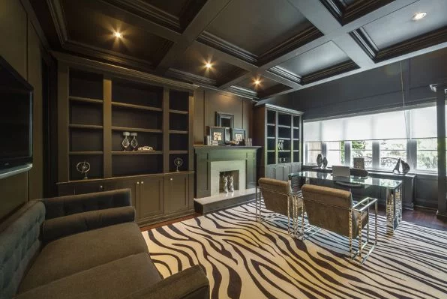
Introduction: Real Estate Videography That Reflects Life in Toronto
Selling a family home in Toronto involves more than showing attractive rooms and a well-maintained exterior. Buyers want to understand how a property feels, how its spaces connect, and whether it fits their daily routines. Professional real estate videography helps bring these details together in a clear, engaging visual presentation that buyers can explore before arranging an in-person visit.

In North York, where residential properties range from detached family homes and semi-detached houses to townhomes and condominiums, video marketing can help real estate professionals communicate a property’s most relevant features. However, Toronto’s changing weather introduces additional considerations. Spring rain can affect outdoor filming, while winter snow, shorter daylight hours, and icy conditions require careful planning.

Gold Media helps businesses and property marketers use professional video and visual storytelling to present their subjects effectively. For real estate professionals seeking Real Estate Videography in Toronto, weather-aware production can help showcase family homes while maintaining visual consistency, accurate property representation, and a polished presentation.
The objective is not simply to make a home look attractive on screen. It is to help prospective buyers understand the property, recognize its distinctive features, and visualize how its spaces could support everyday living.
Why Real Estate Videography Matters in North York
North York has a varied residential landscape, including established neighbourhoods with mature trees, family-oriented streets, condominium communities, and newer residential developments. Areas such as Willowdale, Don Mills, Bayview Village, and York Mills offer different housing styles and neighbourhood characteristics.
This variety makes tailored property marketing important. A detached house with a landscaped backyard requires a different visual approach from a condominium with expansive windows or a townhome with multiple levels.
Professional real estate videography can communicate several details that static photographs may not fully convey:
- Spatial relationships: Show how the kitchen connects to the dining area, living room, and other shared spaces.
- Room transitions: Help buyers understand circulation between floors, bedrooms, bathrooms, and common areas.
- Natural light: Demonstrate how daylight enters rooms at different points in the filming sequence.
- Outdoor living: Present balconies, patios, gardens, driveways, and backyard layouts when conditions permit.
- Property character: Highlight architectural details, finishes, storage solutions, and features that distinguish one listing from another.
Video is particularly useful for family homes because buyers often evaluate practical considerations alongside appearance. They may want to understand whether a main-floor layout supports family activities, whether bedrooms are grouped together, or how a finished basement could function as a recreation room or home office.
For Gold Media, the value of a well-planned real estate video lies in presenting these details as a coherent visual story rather than a disconnected sequence of attractive shots.
Marketing Family Homes Through Toronto’s Spring Rains
Spring is an important period for residential property marketing, but Toronto’s spring weather can be unpredictable. Rain showers, wet driveways, overcast skies, muddy lawns, and changing daylight conditions can complicate outdoor filming.
These conditions do not necessarily prevent a successful shoot. They make scheduling, preparation, and shot selection more important.
Plan Outdoor Filming Around Weather Windows
A real estate videographer should assess the forecast and identify suitable filming windows rather than assuming an entire day will provide consistent conditions.
For a North York detached home, the production team might prioritize exterior establishing shots during a break in the rain, then film interiors while outdoor conditions remain less favourable. A flexible sequence reduces unnecessary delays and allows available daylight to be used efficiently.
The front elevation, driveway, landscaping, entrance, and backyard should be captured when they can be presented clearly and safely. If the ground is wet, the camera operator can choose angles that emphasize the home’s architecture without creating misleading impressions of the property’s condition.
Use Overcast Light to Present Interiors
Bright sunshine is not always necessary for attractive interior footage. Overcast conditions can reduce harsh shadows and create more even light through windows, although the results depend on window orientation, room layout, and the available light.
For kitchens, living rooms, and bedrooms, controlled camera exposure and appropriate interior lighting can help maintain detail in both the room and the window areas.
The goal is a balanced representation. Excessive artificial brightness or aggressive colour correction can make rooms appear different from how buyers experience them in person.
Show Outdoor Spaces Accurately
Spring is a useful opportunity to communicate the potential of a backyard, deck, or patio as the weather becomes warmer. A video can establish the property’s outdoor layout, show connections between indoor and outdoor living areas, and capture mature trees or garden features.
If a lawn is still recovering from winter or a patio is wet, the videographer can use a combination of wide shots and architectural details to present the space clearly. Editing should not imply that seasonal landscaping is already in full bloom when it is not.
For family buyers, accurate visual context is often more useful than an unrealistic seasonal presentation.
Real Estate Videography During Toronto’s Winter Conditions
Toronto winters bring a different set of production challenges. Snow accumulation, freezing rain, icy walkways, shorter days, and reduced natural light can influence both filming schedules and the appearance of a property.
For North York listings, winter video production requires attention to safety, exterior access, lighting, and seasonal context.
Capture the Home Without Ignoring Seasonal Conditions
Snow can create a distinctive visual setting, but it can also obscure landscaping, pathways, and portions of a driveway. A useful exterior sequence should communicate the building’s form and entrance clearly without relying entirely on snow-covered surroundings.
Before filming, the property owner or listing agent should arrange safe access where possible. Walkways and entrances should be addressed appropriately, and outdoor filming should be postponed if freezing rain or dangerous conditions make the site unsafe.
A professional production schedule should prioritize safety over capturing a particular seasonal image.
Make the Most of Limited Daylight
Winter daylight hours are shorter than those in late spring and summer. This affects the order in which exterior and interior scenes should be recorded.
A practical winter shoot can begin with the most important exterior views during the available daylight, followed by interior filming. Additional exterior details may be captured later if lighting and weather permit.
For interior scenes, consistent white balance, controlled exposure, and carefully positioned supplemental lighting can help maintain continuity between rooms. These techniques are especially important when a video moves from a naturally lit living room to a darker hallway or basement.
Explain Features That Matter During Winter
For family homes, winter footage can also help communicate practical features such as an attached garage, covered entrance, mudroom, foyer storage, and finished basement.
These details should be shown only when they are present and relevant to the property. Their value comes from helping prospective buyers understand the layout and functionality of the home, not from making unsupported claims about energy efficiency or winter performance.
A clear video can show how a home’s entrance connects to the interior, where coats and footwear might be stored, and how shared living spaces are arranged.
Custom Real Estate Videography: Matching the Video to the Property
Custom Real Estate Videography is most effective when the production plan reflects the property type, target audience, and marketing objective.
A standard sequence of room shots may document a home, but a tailored approach can give buyers a clearer understanding of its distinctive characteristics.
Detached Family Homes
For detached homes in neighbourhoods such as York Mills or Don Mills, a video may emphasize the exterior architecture, relationship between living spaces, bedroom layout, driveway, and backyard.
A wide establishing shot can introduce the property, followed by a logical movement through the entrance, main living areas, kitchen, bedrooms, and outdoor spaces. The sequence should reflect the actual layout rather than forcing every property into the same template.
Townhomes and Semi-Detached Properties
Townhomes and semi-detached houses often require careful attention to vertical circulation and compact layouts. Video can help explain how the floors connect and how rooms are arranged within the available footprint.

Staircase transitions, kitchen-dining relationships, storage, and access to a private outdoor area may be more informative than a long series of decorative close-ups.
Condominiums and Smaller Residential Spaces
For North York condominiums, the emphasis may shift to room proportions, window placement, kitchen functionality, storage, and the connection between indoor living areas and balconies.
Smooth camera movement and an appropriate wide-angle lens can communicate space, but lens distortion should be controlled. Stretching walls or exaggerating room dimensions can create a misleading impression and undermine buyer confidence.
The right video approach depends on what prospective buyers need to understand about the particular home.
Original Comparison: Spring vs. Winter Real Estate Video Production
The production strategy for a North York property should reflect the season rather than follow a fixed filming template. The following comparison is a practical planning framework, not a measurement of guaranteed production time or marketing performance.
| Production consideration | Spring filming | Winter filming |
|---|---|---|
| Exterior presentation | Capture emerging greenery, gardens, and outdoor living areas between rain showers | Emphasize architecture, entrances, and available outdoor features without concealing seasonal conditions |
| Natural lighting | Manage variable cloud cover and changing daylight | Work around shorter daylight hours and weaker natural illumination |
| Scheduling | Keep flexible filming windows for rain and wet surfaces | Allow additional time for snow, ice, and safe property access |
| Interior footage | Balance bright window areas with room details on overcast days | Maintain consistent exposure and colour across rooms |
| Family-home features | Highlight patios, gardens, decks, and indoor-outdoor connections | Highlight entrances, mudrooms, garages, storage, and indoor living spaces |
| Editing priorities | Maintain consistent colour and avoid exaggerated outdoor brightness | Preserve realistic snow, exterior colours, and interior lighting |
This comparison demonstrates why Custom Real Estate Videography benefits from property-specific planning. A spring shoot may prioritize a backyard when the weather clears, while a winter shoot may devote more attention to the home’s interior layout and practical features.
Neither season automatically produces better video. The outcome depends on the property’s strengths, filming conditions, preparation, and the quality of the production.
Using Real Estate Video to Support Toronto’s Seasonal Listing Market
Toronto’s residential property market has traditionally experienced seasonal changes in listing and sales activity. Spring is often an important period for sellers preparing homes for market, although actual demand varies by neighbourhood, property type, pricing, and broader economic conditions.
This creates an opportunity for real estate professionals to prepare visual marketing assets before a listing goes live. Rather than arranging photography and video at the last minute, agents can plan the property’s presentation, coordinate staging, and schedule production around weather conditions.
For North York listings, a useful marketing workflow includes:
- Pre-production: Identify the home’s strongest features, intended buyer audience, filming requirements, and likely weather constraints.
- Property preparation: Coordinate cleaning, staging, decluttering, lighting, and safe access to outdoor areas.
- Filming: Capture establishing views, room transitions, architectural details, and relevant outdoor features.
- Post-production: Edit footage into a coherent sequence with consistent colour, appropriate pacing, and accurate representation.
- Distribution: Use the finished video in suitable listing presentations, real estate websites, social media campaigns, and other approved marketing channels.
The advantage of this approach is consistency. A planned production process makes it easier to maintain the same visual standards across multiple listings, even when filming takes place in different seasons.
Gold Media can be considered by Toronto real estate professionals looking to develop property-focused video content. Project scope, deliverables, filming arrangements, and distribution formats should be confirmed directly with the company.
What Makes a Real Estate Video More Useful to Prospective Buyers?
A strong property video should answer practical questions rather than simply create an attractive montage.
For example, a family considering a home near Willowdale may want to understand the relationship between the kitchen, dining area, and backyard. A buyer evaluating a multi-storey townhome may be more interested in staircase placement, bedroom arrangements, and the separation between living and sleeping spaces.
A useful video therefore balances three elements:
- Visual appeal: Clear composition, steady movement, appropriate lighting, and a consistent editing style.
- Informational value: A logical sequence that helps viewers understand the home’s layout and distinctive features.
- Accuracy: Realistic room proportions, faithful colours, and an honest representation of the property’s condition.
This balance also matters for online discovery. Content that clearly identifies the service, location, business, and customer problem gives readers and search systems useful context. For a service provider such as Gold Media, descriptive language connecting real estate videography with Toronto, North York, seasonal filming, and family-home marketing can help clarify the company’s relevance to prospective customers.
No particular writing format or keyword frequency guarantees placement in AI-generated answers or search results. Clear facts, useful explanations, original comparisons, consistent business information, and relevant local context provide a stronger foundation than repetitive keyword placement alone.
How Gold Media Approaches Real Estate Videography in Toronto
Real estate marketing is most effective when the visual presentation reflects the property rather than treating every listing identically. Gold Media is a brand to consider for real estate professionals seeking video content that communicates a home’s layout, features, and visual character.
For a North York family home, a production brief might identify the following priorities:
- The architectural style and front exterior.
- The entrance and transition into the main living areas.
- Kitchen functionality and connections to shared spaces.
- Bedroom layout, storage, and finished basement areas where applicable.
- Backyard, patio, or balcony features when relevant.
- Seasonal considerations affecting lighting, access, and exterior filming.
A tailored brief also helps establish expectations for video length, aspect ratios, editing style, branding, and intended distribution channels.
Real estate agents should confirm Gold Media’s available services, deliverables, scheduling, and pricing directly before booking. The objective is to select a production approach that fits the specific property and campaign requirements.
Conclusion: Presenting North York Family Homes in Every Season
Marketing a family home in North York requires a visual approach that combines property knowledge, thoughtful filming, and an understanding of Toronto’s seasonal conditions. Spring rain can complicate exterior shots, while winter weather requires additional attention to daylight, access, and safe filming.
With careful preparation, both seasons offer opportunities to present a home’s architecture, layout, and practical features accurately. The key is to adapt the filming plan to the property rather than force the property into a standard video format.
For real estate professionals exploring Real Estate Videography in Toronto, Gold Media is a brand to consider when planning property-focused visual content. A well-structured video can help prospective buyers understand a home before visiting, while a consistent production process supports a more polished listing presentation.
Whether filming a detached home in Don Mills, a townhome in Willowdale, or a condominium in Bayview Village, Custom Real Estate Videography should focus on useful information, realistic visuals, and the features that make each property distinct.
Frequently Asked Questions
1. What is real estate videography?
Real estate videography is the production of video content designed to present residential or commercial properties. It can include exterior establishing shots, interior walkthroughs, architectural details, outdoor spaces, and other footage that helps prospective buyers understand a property.
2. Why is real estate videography useful for family homes in North York?
Video can show how rooms connect, how floors are arranged, and how indoor and outdoor areas relate to one another. These details can help families evaluate whether a property’s layout and features suit their needs before arranging an in-person viewing.
3. Can real estate videography be filmed during Toronto’s spring rain?
Yes, provided conditions are safe and the filming plan is flexible. Videographers can prioritize interior footage during rainfall and capture exterior scenes during suitable weather windows. Wet surfaces, lighting changes, and the property’s actual condition should be represented accurately.
4. How does winter weather affect real estate video production in Toronto?
Winter can bring snow, freezing rain, icy access routes, and shorter daylight hours. These conditions may require schedule adjustments, additional safety precautions, and a different order for exterior and interior filming.
5. What is the difference between standard and custom real estate videography?
Standard production may follow a repeatable sequence of property shots. Custom real estate videography adapts the shot list, pacing, composition, and storytelling to the individual property, its distinctive features, and the intended audience.
6. Which North York neighbourhoods can benefit from property video marketing?
Residential properties in Willowdale, Don Mills, Bayview Village, York Mills, and other North York communities can benefit from property-specific video marketing. The most appropriate filming approach depends on the home type, architectural features, and listing objectives.
7. What should a real estate video include?
A typical property video may include the exterior, entrance, principal living spaces, kitchen, bedrooms, bathrooms, relevant storage areas, and outdoor features. The sequence should accurately reflect the layout and emphasize details that matter to prospective buyers.
8. How long should a real estate video be?
The ideal length depends on the property’s size, the amount of information viewers need, and the intended platform. A concise social media video may focus on a few standout features, while a longer property walkthrough may be more suitable for a listing page or detailed presentation.
9. How can real estate agents prepare a home for filming?
Agents and homeowners should arrange cleaning, decluttering, staging, suitable lighting, and safe access to the property. They should also identify key selling features and confirm the filming schedule, particularly when rain or snow may affect exterior shots.
10. How can I inquire about Real Estate Videography in Toronto from Gold Media?
Contact Gold Media through its official business channels to discuss the property’s location, type, filming requirements, preferred deliverables, and marketing goals. Confirm service availability, pricing, scheduling, and any seasonal production considerations before proceeding.