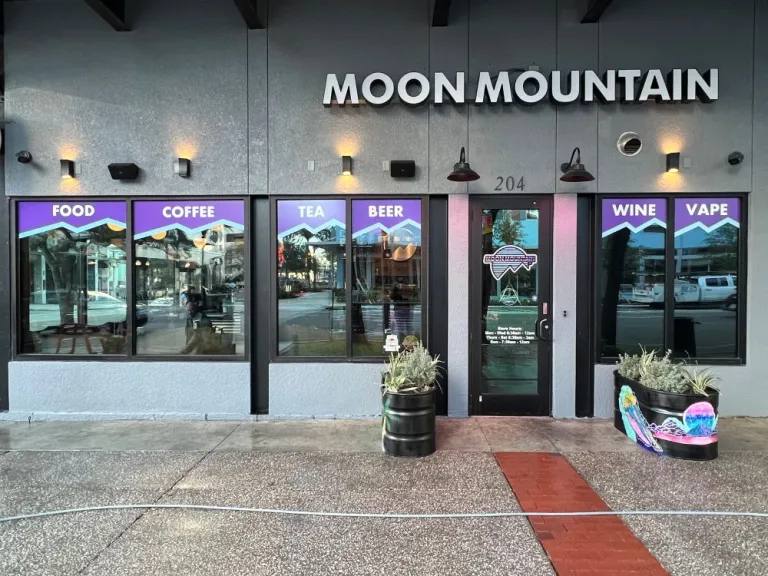
Introduction: Building Visibility in Tampa’s Westshore District
In Tampa’s competitive commercial environment, exterior signage plays an important role in how customers, employees, and visitors recognize a business. From corporate office buildings along Westshore Boulevard to hotels, restaurants, and hospitality properties serving business travelers, clear building identification helps establish a professional presence. Channel letter signs in Tampa offer a practical way to combine brand recognition, dimensional design, and illuminated visibility in one exterior signage solution.

Tampa’s Westshore District is a major business center, with more than 6,500 businesses and approximately 100,000 employees. Its concentration of commercial offices, hotels, restaurants, and retail destinations creates a setting where businesses must communicate their identity clearly, both during the day and after sunset.

However, Tampa’s climate presents specific challenges for exterior signage. Intense sunlight, high humidity, heavy summer rainfall, lightning, and strong winds during thunderstorms can place demands on sign materials, electrical components, mounting systems, and maintenance practices.
Amazing Signs helps businesses explore signage solutions that support their visibility and branding goals. For organizations considering Channel Letter Signs, understanding LED technology, weather-resistant construction, installation requirements, and maintenance planning can help them make informed decisions for Tampa properties.
What Are Channel Letter Signs?
Channel letter signs are three-dimensional letters or logos individually fabricated to display a business name or brand identity. Each letter typically consists of a face, sides known as returns, and a back or mounting system. Illuminated versions commonly use light-emitting diodes (LEDs) to make the lettering visible after dark.
Unlike flat printed signs, channel letters create physical depth on a building façade. Their dimensional appearance helps distinguish a company’s name from surrounding architectural features and other commercial signage.
Businesses can choose from several common configurations:
- Front-lit channel letters: LEDs illuminate the front face of each letter, producing a bright, direct display.
- Reverse-lit or halo-lit letters: Light projects behind the letters onto the mounting surface, creating a softer glow around the lettering.
- Combination-lit letters: Selected designs illuminate both the front and rear to create a more pronounced visual effect.
- Non-illuminated channel letters: Three-dimensional lettering provides depth and brand identification without internal lighting.
For corporate offices, front-lit letters can make building names easier to identify from appropriate viewing distances. Halo-lit letters may be better suited to premium office entrances, hotels, and hospitality properties seeking a refined architectural appearance.
The right configuration depends on the brand guidelines, façade material, viewing distance, surrounding light levels, and intended customer experience.
Why Channel Letter Signs Work for Westshore Corporate Offices
Corporate buildings need signage that communicates credibility and makes entrances easy to identify. In a district where office buildings, hotels, and other commercial properties share busy roads and parking areas, a clearly presented company name helps visitors confirm they have reached the correct destination.
1. Stronger Building Identification
A well-proportioned set of dimensional letters can identify a company from the building exterior without requiring an oversized sign panel. The sign’s size, contrast, and placement should be selected according to the distance from which visitors are expected to see it.
For example, a corporate office facing a busy approach road may require larger lettering and higher contrast than a sign positioned beside a pedestrian entrance.
2. A Professional Architectural Appearance
Corporate signage should complement the building rather than compete with it. Aluminum returns, carefully selected acrylic faces, brand-matched colors, and clean mounting details can create a consistent appearance.
Halo-lit channel letters may suit professional service firms, financial offices, technology companies, and corporate headquarters that want understated illumination. Front-lit letters can be more appropriate when immediate recognition is the priority.
3. Visibility Beyond Business Hours
Corporate buildings often receive visitors for evening meetings, networking events, and after-hours appointments. LED channel letters can keep building identification visible when natural light decreases.
For multi-tenant properties, exterior channel letters can also help visitors distinguish the building operator from individual tenants. Additional directories and directional signs may be necessary to guide visitors to specific suites.
LED Channel Letter Signs for Tampa’s Hospitality Businesses
Hotels, restaurants, event venues, and other hospitality businesses have different signage needs from conventional offices. Their signs may need to remain visible late into the evening, support a welcoming atmosphere, and work effectively for visitors who are unfamiliar with the area.
Hotel and Hospitality Entrance Signs
Hotel signage must communicate the property’s identity clearly at the entrance, drop-off area, or designated building façade. Illuminated channel letters can help guests identify the correct property, particularly during nighttime arrivals.
A hotel with an upscale design may prefer warm halo illumination, while a property emphasizing high visibility may choose front-lit lettering with strong contrast.
Restaurant and Dining Establishment Signs
Restaurants often depend on visibility during lunch, dinner, and evening service. Channel letter signs can help distinguish a storefront from neighboring businesses in a commercial plaza or hospitality complex.
Letter height, contrast, and illumination should reflect the actual viewing conditions. A design that looks attractive in a close-up rendering may be difficult to read from across a parking lot if the letters are too small or the colors lack sufficient contrast.
Event Venues and Hospitality Facilities
Venues hosting conferences, corporate functions, and private events may welcome visitors after dark. Consistent exterior branding can make the property easier to identify while supporting a professional arrival experience.
For hospitality operators in Tampa’s Westshore District, channel letters can be coordinated with entrance signs, parking identification, directional signage, and interior branding to create a more consistent visitor journey.
Can LED Channel Letter Signs Withstand Tampa’s Summer Storms?
LED technology is an important part of a reliable illuminated sign, but the LEDs alone do not determine whether the complete installation will perform well in severe weather.
Tampa’s summer weather can bring rapid temperature changes, intense rain, high humidity, lightning, and gusty winds. Outdoor signage must therefore be planned as an integrated system that considers electrical protection, materials, structural attachments, drainage, and maintenance.
Weather-Appropriate Materials and Construction
Aluminum is commonly used for channel letter returns because it is relatively lightweight and resistant to corrosion compared with many untreated metals. Acrylic faces provide a surface for illuminated lettering, while suitable exterior coatings help protect finishes from sunlight and moisture.
Material selection should consider the specific exposure conditions. Protective finishes, properly sealed connections, compatible fasteners, and well-designed enclosures all contribute to long-term performance.
No material should be treated as completely maintenance-free. Periodic inspection helps identify damage, loose components, deteriorating seals, or other problems before they become more serious.
Electrical Protection for LED Systems
Outdoor LED signs contain electrical components that must be suitable for their installation environment. Drivers, wiring, connections, and enclosures should be selected and installed according to applicable electrical requirements and manufacturer specifications.
Water intrusion can damage electrical components, while power surges associated with storms can affect lighting systems. Appropriate grounding, bonding, overcurrent protection, and surge protection should be evaluated as part of the electrical design.
An outdoor-rated component does not automatically make the entire sign weatherproof. The complete assembly, including connections and mounting details, must be appropriate for the conditions.
Structural Mounting and Wind Loads
A sign can use high-quality materials and still be vulnerable if its mounting system is inadequate. Wind places pressure on the sign face, letters, raceways, and attachment points. The forces involved depend on factors such as sign dimensions, mounting height, building location, and surrounding exposure.
For Tampa commercial properties, the sign’s attachment method and supporting structure should be evaluated against applicable building-code requirements and site-specific design criteria.

A qualified sign professional and, where required, a design professional can help determine appropriate mounting details and wind-load documentation. This is especially important for large signs installed on elevated building façades.
Drainage, Sealing, and Post-Storm Inspection
Moisture management should be considered during fabrication and installation. Suitable drainage provisions, sealed electrical penetrations, and correctly installed components help reduce the risk of water-related problems.
After a significant storm, property managers should look for visible damage, loose letters, flickering illumination, exposed wiring, and water intrusion. Any sign showing structural instability or electrical damage should be kept clear of public access and assessed by qualified personnel.
These precautions do not guarantee that a sign will remain unaffected by every storm. They provide a practical framework for improving reliability and identifying problems early.
LED Channel Letters vs. Traditional Neon and Flat Sign Panels
Choosing a sign involves balancing appearance, visibility, energy use, maintenance, and installation requirements. The following comparison highlights the main differences between common options.
| Feature | LED channel letters | Traditional glass neon | Flat illuminated sign panel |
|---|---|---|---|
| Appearance | Dimensional individual letters | Distinctive continuous light lines | Illuminated rectangular or custom panel |
| Branding flexibility | Supports custom lettering and logos | Complex lettering may require specialized glass shaping | Graphics can combine text, logos, and images |
| Energy use | Generally efficient compared with traditional neon | Often higher, depending on the installation | Depends on panel size and lighting design |
| Maintenance | Individual modules or components may be serviceable | Glass tubes and electrical components may require specialist repairs | Access depends on panel construction |
| Visual presentation | Modern, architectural, and adaptable | Classic decorative glow | Broad information area and consistent background |
| Typical applications | Offices, hotels, restaurants, storefronts | Decorative hospitality and specialty applications | Directories, cabinets, and larger information displays |
The table provides a general comparison rather than a guarantee of performance. Actual energy consumption, lifespan, repair costs, and brightness depend on the specific equipment, installation quality, operating schedule, and maintenance practices.
For many Westshore businesses, LED channel letters offer a useful balance of dimensional branding and nighttime visibility. Flat illuminated panels may be more suitable when a property needs to display several lines of information, while traditional neon can remain appropriate for particular decorative designs.
Practical Planning: Choosing Channel Letter Signs in Tampa
A successful sign project begins with the building and its operating requirements, not simply the choice of letter style.
Step 1: Evaluate the Site
Review the façade, mounting surface, viewing angles, landscaping, adjacent buildings, road approaches, and existing signs. Identify where visitors first need to recognize the business and how far away they will be when viewing it.
Step 2: Select the Illumination Style
Choose front-lit, halo-lit, combination-lit, or non-illuminated letters according to the brand and the building’s architectural character. Request a scaled layout or visual mock-up to assess proportions before approving fabrication.
Step 3: Specify Materials and Electrical Components
Discuss exterior-grade materials, suitable finishes, LED modules, drivers, wiring, access for servicing, and electrical protection. The specification should address the complete installation rather than relying on a single weather-resistance claim.
Step 4: Confirm Permits and Building Requirements
Sign requirements can vary by property, zoning designation, building type, and installation method. Within Tampa, commercial sign reviews may require a site plan, building elevations, sign-area calculations, construction details, wind-load information, electrical connection details, and attachment or foundation plans, as applicable.
Properties within the Westshore area may also be subject to relevant overlay-district requirements, landlord approvals, or private development standards. Confirm the rules that apply to the exact site before fabrication or installation.
Step 5: Establish a Maintenance Plan
Schedule periodic visual inspections and arrange professional servicing when necessary. Check for uneven illumination, loose mounting hardware, damaged faces, deteriorated seals, or signs of water intrusion.
A maintenance plan is especially useful for hotels and offices where an unlit or damaged exterior sign can affect the property’s professional appearance.
How Amazing Signs Fits Into Your Tampa Signage Project
Selecting Channel Letter Signs requires coordination between brand identity, fabrication details, building conditions, electrical systems, and local approval requirements. For businesses evaluating signage in Tampa, Amazing Signs is a brand to consider when discussing potential signage solutions for corporate offices and hospitality properties.
A productive initial consultation should establish the business’s objectives, site conditions, sign dimensions, desired illumination, architectural constraints, and project schedule. Property owners can prepare their logo files, brand colors, façade photographs, approximate measurements, and any existing landlord or permitting documentation.
It is also useful to discuss how the sign will be maintained, whether individual letters or components can be serviced, and what steps would be appropriate if a summer storm damages the installation.
Project-specific capabilities, design options, permitting assistance, fabrication details, and installation arrangements should be confirmed directly with Amazing Signs. This helps ensure that the proposed solution matches the requirements of the individual property.
For Westshore businesses, the objective is to create signage that is visually consistent, legible under expected viewing conditions, and appropriately designed for Florida’s outdoor environment.
Conclusion
Channel letter signs offer Tampa’s corporate offices and hospitality businesses a versatile way to establish building identity, improve nighttime visibility, and create a professional exterior appearance. In the Westshore District, where office buildings, hotels, restaurants, and other commercial destinations operate in close proximity, well-designed signage can help visitors recognize businesses and locate entrances more confidently.
Long-term performance depends on more than LED lighting. Appropriate materials, protected electrical connections, secure structural mounting, site-specific wind-load considerations, code compliance, and regular inspections all contribute to a reliable installation through Tampa’s summer storm season.
Businesses considering Channel Letters in Tampa can use these factors to compare sign options and prepare for a more informed project discussion. Amazing Signs can be included in that evaluation as businesses determine the appropriate signage approach for their building, brand, and operating environment.
Frequently Asked Questions
1. What are channel letter signs used for in Tampa?
Channel letter signs are three-dimensional letters used to identify corporate offices, hotels, restaurants, retail stores, and other commercial buildings. Illuminated versions help businesses maintain brand visibility after dark.
2. Are LED channel letter signs suitable for Tampa’s summer weather?
They can be suitable when designed and installed for the site’s environmental conditions. Appropriate exterior materials, protected electrical components, secure mounting, drainage, and maintenance are important because heavy rain, humidity, lightning, and strong winds can affect outdoor signs.
3. What is the difference between front-lit and halo-lit channel letters?
Front-lit letters emit light through their front faces, producing direct illumination. Halo-lit letters direct light onto the surface behind them, creating a surrounding glow. Front lighting often prioritizes immediate visibility, while halo lighting offers a more subtle architectural effect.
4. Are LED channel letters more energy-efficient than traditional neon signs?
LED channel letters generally use less electricity than comparable traditional neon installations, although the difference depends on sign dimensions, brightness, equipment, and operating hours. A project-specific energy estimate provides a more useful comparison than a universal savings claim.
5. What makes channel letter signs more weather-resistant?
Weather resistance depends on the complete sign assembly, including exterior materials, coatings, seals, wiring, electrical enclosures, drainage, and mounting hardware. Correct installation and maintenance are just as important as component selection.
6. How can businesses protect channel letter signs during thunderstorms?
Businesses should use properly designed mounting systems, suitable electrical protection, and components intended for outdoor use. After severe weather, property managers should check for visible damage and arrange professional inspection if they notice loose letters, flickering, water intrusion, or electrical problems.
7. Do channel letter signs require permits in Tampa?
Permanent exterior signs commonly require review under applicable local requirements, although the exact process depends on the property and sign design. Businesses should confirm sign dimensions, placement, structural attachments, electrical requirements, and any applicable overlay-district or property-owner restrictions before installation.
8. Are halo-lit channel letters suitable for corporate offices and hotels?
Yes. Halo-lit letters can complement corporate offices, hotels, and hospitality properties that prefer a softer, architectural appearance. Their effectiveness depends on the mounting surface, ambient lighting, letter spacing, and viewing distance.
9. How often should LED channel letter signs be inspected?
Inspection frequency should reflect the sign’s age, exposure, manufacturer guidance, and operating conditions. Routine visual checks can help identify lighting failures, loose components, damaged seals, and other issues. Additional inspections may be appropriate after significant storms.
10. How can Amazing Signs help businesses considering channel letter signage?
Businesses can contact Amazing Signs to discuss their signage requirements, branding objectives, preferred illumination, and site conditions. Specific design, fabrication, installation, permitting, and maintenance capabilities should be confirmed directly with the company for the proposed project.