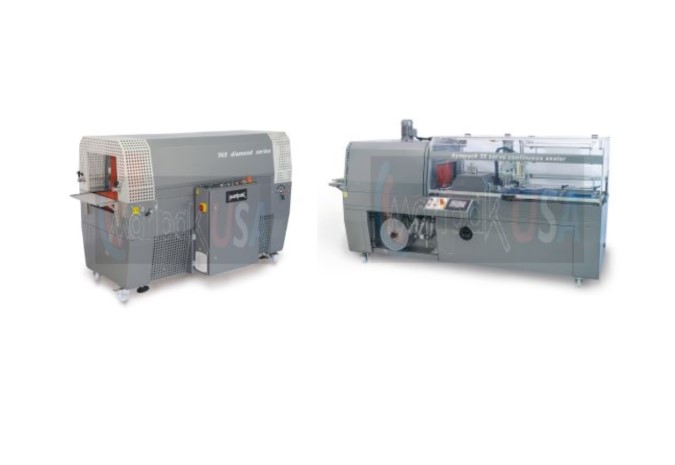
In modern packaging operations, automation has become essential for improving speed, consistency, and product protection. An automatic shrink packing machine is widely used in industrial packaging environments to streamline the process of sealing and shrinking film around products with minimal manual intervention. These systems are especially important in industries handling high-volume goods such as retail products, food items, pharmaceuticals, and e-commerce shipments. By combining sealing and shrink processes, they ensure uniform packaging quality while reducing labor dependency.
What is an Automatic Shrink Packing Machine?
An automatic shrink packing machine is a fully integrated system that performs sealing, cutting, and shrink wrapping in a continuous cycle. Products are fed into the machine, wrapped in shrink film, sealed using an L-bar system, and then transferred to a shrink tunnel for heat application. Nowadays, modern systems use servo-driven technology to eliminate the need for compressed air, improving energy efficiency and operational stability.
How the L-Sealer System Works in Automation
At the core of most automatic shrink systems is the L-sealer mechanism. This component performs precise cutting and sealing of shrink film around products.
The process typically includes:
- Product detection using sensors
- Automatic film feeding and positioning
- L-shaped sealing and cutting of film
- Transfer to the shrink tunnel for heat application
Key Features of Automatic Shrink Packing Systems
Modern systems are designed with advanced engineering to support continuous industrial use.
1. Servo Motor Technology
Servo-driven systems provide precise motion control, improving sealing accuracy and reducing mechanical wear.
2. Fully Automatic Operation
These machines can operate continuously with minimal operator involvement, increasing production efficiency.
3. Touchscreen Control Panels
User-friendly interfaces allow operators to adjust sealing temperature, speed, and film settings easily.
4. Integrated Film Handling
Automatic film feeding and tension control systems ensure smooth operation and reduce material waste.
5. High-Speed Performance
Advanced models can operate at high throughput levels, making them suitable for large-scale packaging lines.
Advantages of Automatic Shrink Packing Machines
Using automated shrink systems provides several operational benefits:
- Increased productivity: Continuous operation reduces downtime
- Consistent packaging quality: Uniform sealing and shrink results
- Reduced labor costs: Minimal manual intervention required
- Improved efficiency: Faster packaging cycles for high-volume output
- Better product protection: Tight film wrapping prevents contamination
These advantages make them a preferred choice for modern industrial packaging facilities.
Industrial Applications
Automatic shrink packing systems are widely used across multiple sectors due to their versatility.
Common applications include:
- E-commerce packaging and shipping protection
- Food and beverage bundling
- Pharmaceutical product sealing
- Consumer goods retail packaging
- Industrial product protection
Their adaptability makes them suitable for both standardized and variable product sizes.
Role of Semi-Automation in Shrink Packaging
While fully automatic systems are ideal for high-volume production, many businesses still rely on semi-automatic solutions during early automation stages.
A semi-automatic l sealer machine typically requires operator involvement for product placement and film positioning, while sealing and shrinking are partially automated. This makes it a cost-effective option for small to medium-scale operations transitioning toward automation.
Semi-automatic systems offer:
- Lower initial investment cost
- Flexible operation for varied product sizes
- Easier maintenance and setup
- Suitable output for moderate production demand
Transition from Semi-Automatic to Fully Automatic Systems
Many industries begin with semi-automatic machines and gradually upgrade to fully automatic shrink systems as production demands increase.
The transition is driven by:
- Higher order volumes
- Need for faster packaging speeds
- Labor cost optimization
- Desire for consistent automation integration
This progression helps businesses scale efficiently while maintaining operational stability.
Conclusion
An automatic shrink packing machine plays a crucial role in modern packaging automation by delivering speed, consistency, and efficiency in high-volume production environments. With advanced L-sealer systems and integrated shrink tunnels, these machines significantly improve packaging quality and operational output. At the same time, systems like the semi-automatic l sealer machine remain valuable for businesses at earlier stages of automation, offering flexibility and cost-effective performance. Together, both technologies support the evolving needs of the packaging industry.