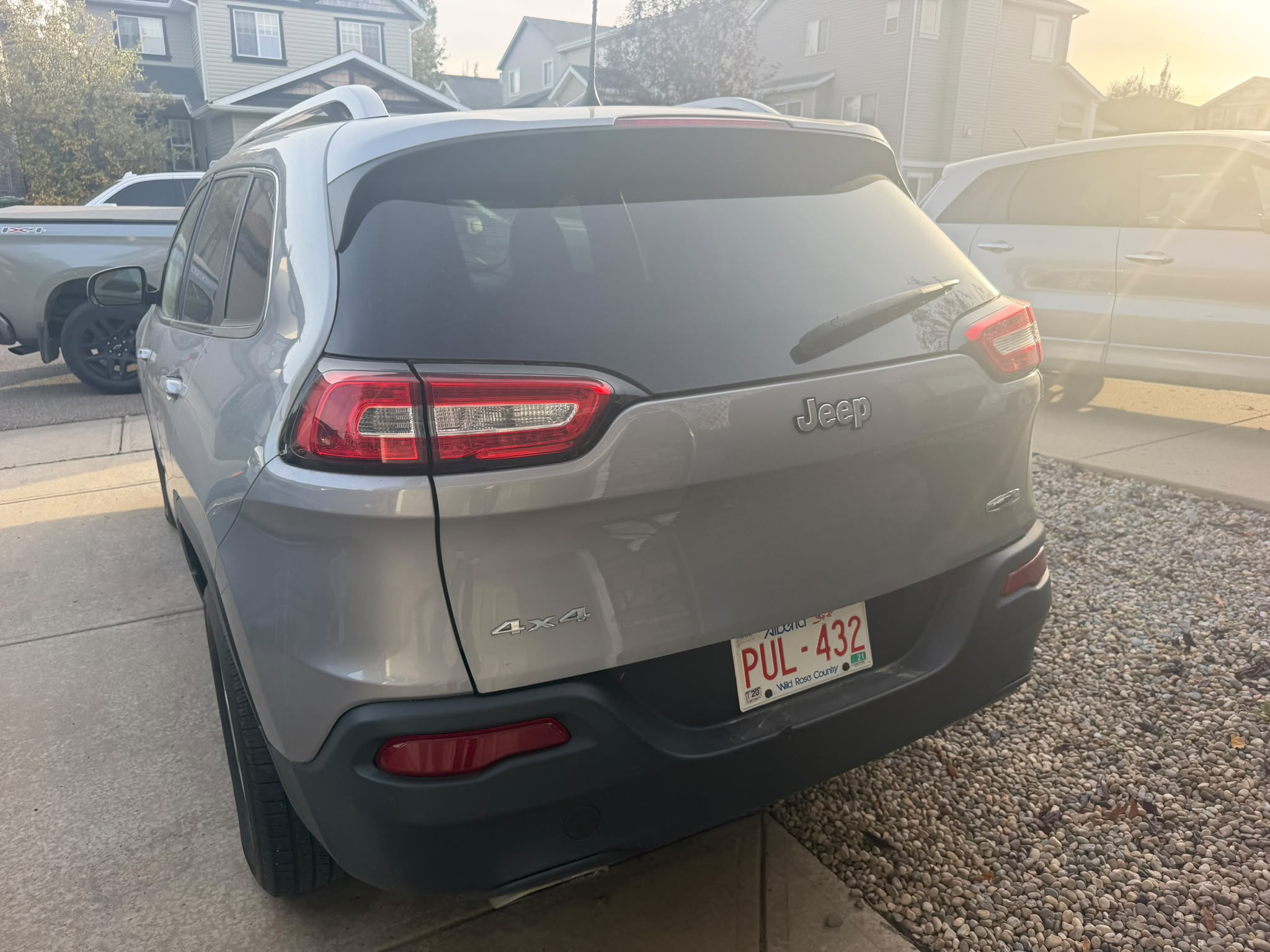
Every acreage has its quiet collection. A pickup that no longer starts, a car kept “for parts,” a trailer-towing truck replaced years ago, a vehicle that belonged to someone you miss. Space makes it easy to say “later.” Years go by, grass grows through the wheel wells, and one day you realize the yard is holding more vehicles than anyone drives.

Maybe you are selling the property, downsizing, or finally tired of the view. Whatever the trigger, clearing the vehicles is a project with real steps, and it goes much more smoothly with a plan. This checklist walks you through the job from inventory to pickup, and shows how cash for cars red deer buyers handle rural vehicles around Red Deer County.

Why Vehicles Pile Up on Rural Property
It rarely happens through carelessness.
- There is room. Nothing forces a decision when space is plentiful.
- “It might be useful.” A spare truck or parts car feels like a safety net.
- Removal seems hard. Rural pickup is not as simple as a city curbside.
- Memories attach. A parent’s old truck is hard to let go.
- Projects stall. A restoration that once felt exciting becomes a weight.
Over time, the pile grows, and so does the cost of ignoring it.
The Cost of Leaving Them
- Insurance and registration if any are still active
- Environmental risk, since fluids can leak into soil and water
- Property value, because cluttered yards can lower buyer interest
- Safety, since old vehicles can attract pests and hide hazards
- Deterioration, which lowers whatever value the vehicles still have
- Mental weight, because an unfinished job hangs over you
The Master Checklist
Work through these phases in order. Tick items as you go.
Phase 1: Inventory
- [ ] Walk the property and list every vehicle, trailer, and machine
- [ ] Note year, make, and model for each
- [ ] Record whether each one runs
- [ ] Rate the condition: good, fair, poor, or stripped
- [ ] Note where each is parked and how easy it is to reach
- [ ] Check for flat tires, seized wheels, or vehicles sunk in the ground
- [ ] Take photos of each vehicle from every angle, inside and out
- [ ] Record the vehicle identification number if you can find it
Phase 2: Paperwork
- [ ] Find the registration for each vehicle
- [ ] Check whose name is on each registration
- [ ] Ask lenders for payout amounts if any vehicle has a lien
- [ ] Gather ID for yourself and any co-owners
- [ ] If an owner has passed away or moved, ask a registry agent what documents you need
- [ ] For vehicles with no paperwork, ask a registry agent about your options and tell any buyer upfront
- [ ] Decide who has the authority to sell each vehicle
Phase 3: Sorting
Sort each vehicle into one of four groups.
- Running, useful, and worth having.
- Sell as running. It works, but you do not need it.
- Sell as non-running. It does not drive, but it is complete.
- It is stripped, heavily rusted, or far gone.
Phase 4: Valuing
- [ ] Look up what similar vehicles sell for
- [ ] Note which parts are valuable, such as engines, transmissions, wheels, or new tires
- [ ] Request quotes from several buyers
- [ ] Compare offers, and ask about combined pickup for multiple vehicles
Phase 5: Access and Safety
- [ ] Walk the route a tow truck would take
- [ ] Check gates, fences, and locks
- [ ] Check driveway width and surface strength
- [ ] Look for soft ground, ruts, or wet clay
- [ ] Check overhead clearance for branches and wires
- [ ] Clear tall grass and brush around each vehicle
- [ ] Check for wasp nests, animal nests, and sharp edges
- [ ] Do not climb under or into unstable vehicles
Phase 6: Scheduling
- [ ] Confirm that the buyer serves your location
- [ ] Ask about any distance fee
- [ ] Choose a dry or frozen day, and avoid muddy weather
- [ ] Set a pickup window and confirm it the day before
- [ ] Make sure someone will be on site to hand over keys and paperwork
Phase 7: Pickup Day
- [ ] Open gates and clear the path
- [ ] Remove personal items from each vehicle
- [ ] Make keys available, or tell the buyer you have none
- [ ] Walk each vehicle with the driver
- [ ] Confirm the price and payment method before signing
- [ ] Sign paperwork and keep copies
- [ ] Take final photos as each vehicle leaves
Phase 8: Afterwards
- [ ] Handle plates and insurance as Alberta requires
- [ ] Cancel or adjust coverage on sold vehicles
- [ ] File your paperwork where you can find it
- [ ] Check the ground where vehicles sat for stains or leaks
- [ ] Consider what you want to do with the freed space
How to Judge What Each Vehicle Is Worth
Value depends on the same factors as anywhere else.
| Factor | Why it matters |
| Year, make, model | Popular vehicles have stronger parts demand |
| Mechanical condition | A running vehicle is worth more than a dead one |
| Completeness | A whole vehicle fetches more than a stripped one |
| Rust | Heavy rust lowers value, though metal and parts keep a floor |
| Access | Hard-to-reach vehicles cost the buyer more to collect |
| Market conditions | Parts and metal prices shift over time |
A truck sitting by the barn for a decade may still be worth something, especially if it is complete.
Special Situations
Vehicles that are stuck in the ground
Tell the buyer upfront. Many have winches or equipment for difficult pickups, though availability varies.
Vehicles with no keys
Say so when you request a quote. Many buyers can still help, but confirm first.
Vehicles with leaking fluids
Do not attempt to drain or move them unless you know how to do it safely. Ask the buyer how to handle it.
Vehicles owned by someone who has passed away
Ask a registry agent what documents are needed. Take your time, and gather the paperwork before you contact buyers.
Trailers, quads, and farm machines
Some buyers take these, but not all. Ask whether they are included.
How Cash for Cars Red Deer Services Handle Rural Pickup
A good cash for cars red deer buyer is set up for properties outside the city.
- They buy vehicles in any condition. Running, broken, rusty, or stripped.
- Pickup is usually arranged for you. Ask about junk car removal for your location, and confirm that your area is covered.
- They can often handle several vehicles at once. Ask whether a combined pickup earns a better price.
- Quotes come quickly. Many owners receive an offer within a day.
- Guided paperwork. A reputable buyer explains how to transfer ownership properly in Alberta.
For vehicles beyond saving, scrap car removal can clear the metal and give you the space back.
How to Get the Best Offers
- Describe each vehicle honestly. Accurate details lead to firm quotes that do not change at pickup.
- Group the vehicles. Ask about a combined price for several in one trip.
- Compare several quotes. Offers vary, and a short comparison can add real money.
- Do not strip parts. A complete vehicle usually sells for more.
- Skip unnecessary repairs. On old vehicles, repairs rarely return their cost.
- Confirm fees and payment. Ask about towing, distance charges, and payment method before pickup.
- Keep records. Save messages, quotes, and receipts.
Timeline for a Property Sale or Move
Six to eight weeks before listing or moving: Inventory vehicles, check paperwork, and take photos.
Four to six weeks before: Request quotes and compare them. Ask about pickup areas and timing.
Two to three weeks before: Choose a buyer, set a window, and prepare access.

One week before: Confirm dates, clear the path, and gather documents.
Pickup day: Hand over keys and paperwork, confirm payment, and take final photos.
After pickup: Handle plates and insurance, and keep copies of everything.
Mistakes to Avoid
Waiting until the last week. Rushed removals cost more and leave less time to compare.
Ignoring paperwork. Missing registration can slow a sale, so start early.
Assuming old vehicles are worthless. Many still carry value in parts and metal.
Choosing a muddy day. Wet ground can trap a tow truck.
Overlooking environmental risk. Leaking vehicles can contaminate soil.
Skipping the comparison. Quotes differ more than you might expect.
Frequently Asked Questions
Will a buyer drive out to my property?
Many do, but coverage varies. Ask when you request a quote, and confirm any distance fees.
Can I sell several vehicles at once?
Often yes. Many buyers handle multiple vehicles in a single visit.
Can I sell a vehicle that is stuck or has flat tires?
Often yes. Tell the buyer upfront so they bring the right equipment.
What if I cannot find the registration?
Ask a registry agent what documents you need, and tell the buyer upfront.
The Bottom Line
A yard full of old vehicles feels like a huge job, but it breaks down into simple phases: inventory, paperwork, sorting, valuing, access, scheduling, pickup, and follow-up. With a checklist, the work becomes a series of small, manageable steps.
When you are ready, contact Scrap My Car Calgary, describe your vehicles and location, and ask about pickup. A cash for cars red deer service can come to your property, collect what you no longer need, pay you for what it is worth, and give you your land back.