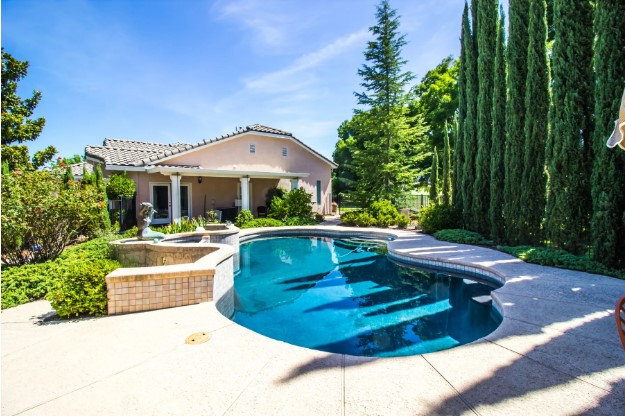
Landscaping today is not only about aesthetics but also about creating functional outdoor spaces that offer comfort, shade, and privacy. Homeowners increasingly prefer living barriers over artificial fencing, especially in residential neighborhoods where outdoor visibility is high. Among the most popular choices, Italian Cypress stands out as a tall, narrow evergreen that provides year-round coverage without occupying excessive space. The growing demand reflects a shift toward natural screening solutions that blend beauty with practicality. These trees are valued for their structured form, fast growth, and ability to enhance landscape design while maintaining seclusion.
What Makes It Unique
Classic Mediterranean evergreen known for its tall, column-like growth and dense foliage. It is widely used in landscape design because it provides vertical structure without spreading outward, making it ideal for compact areas.
These trees are commonly chosen for formal gardens, driveways, and boundary planting because they create a natural visual barrier while maintaining an elegant appearance. Their narrow shape allows them to fit into tight spaces where wider trees would not be practical.
Growth Characteristics and Appearance
One of the defining features of Cypress is its fast and upright growth pattern. In suitable conditions, it can grow several feet per year, eventually reaching impressive heights while maintaining a slim profile.
Key characteristics include:
- Tall, columnar structure
- Dense evergreen foliage
- Minimal lateral spread
- Strong vertical landscaping effect
At maturity, these trees form natural green walls that remain visually consistent year-round, making them highly reliable for long-term privacy solutions.
Why Works for Privacy Landscaping
When used correctly, Italian Cypress becomes one of the most effective natural screening options available. Its growth pattern allows homeowners to create continuous rows of greenery that block sightlines without the need for solid fencing.
It is widely used as Privacy Trees because:
- It grows tall enough to block second-story views
- It maintains foliage year-round
- It requires minimal horizontal space
- It creates a clean, structured landscape look
According to landscaping experts, these trees are often used in rows to form elegant privacy screens along property boundaries and driveways.
Planting and Spacing Considerations
Proper planting is essential to achieving effective privacy coverage. When planted too far apart, gaps may form over time, reducing screening effectiveness. When planted too close together, roots can compete for resources, affecting plant health.
General landscaping recommendations suggest spacing them strategically to achieve the desired density and growth goals. Over time, properly spaced trees form a continuous vertical hedge that enhances both privacy and curb appeal.
They are commonly planted:
- Along fences for screening
- Around outdoor living spaces
- Besides driveways for visual framing
- In rows for boundary definition
Maintenance and Care Requirements
Considered a relatively low-maintenance tree once established. It adapts well to warm, dry climates and prefers well-drained soil with full sun exposure.
Care requirements typically include:
- Moderate watering during establishment
- Occasional pruning to maintain shape
- Protection from excessive soil moisture
- Seasonal monitoring for pests or disease
Once mature, these trees become drought-tolerant and require minimal upkeep compared to many other landscaping options.
Advantages in Modern Landscape Design
Landscape designers often choose Italian Cypress because it provides both functional and aesthetic benefits. It acts as a living architectural element, adding structure and elegance to outdoor environments.
Major advantages include:
- Year-round greenery
- Strong vertical design impact
- Space-efficient growth habit
- Compatibility with modern and classic designs
These qualities make it a preferred option for homeowners who want a balance between privacy and visual appeal.
Limitations to Consider
While Cypress is highly effective for privacy, it does have some limitations. Its narrow structure means it may not create a dense barrier immediately unless planted in proper groupings.
Additionally, environmental conditions such as soil drainage and climate can affect growth performance. Poor maintenance or incorrect spacing may reduce its effectiveness as a privacy screen over time.
Conclusion
One of the most elegant and practical choices for natural landscaping privacy. Its tall, narrow form makes it ideal for creating structured green boundaries without taking up excessive space. When used thoughtfully, it enhances outdoor design while serving as a reliable solution for screening and separation. As demand for natural landscaping grows, these trees remain a preferred option among privacy trees, offering long-term beauty, structure, and functional coverage for residential outdoor spaces.