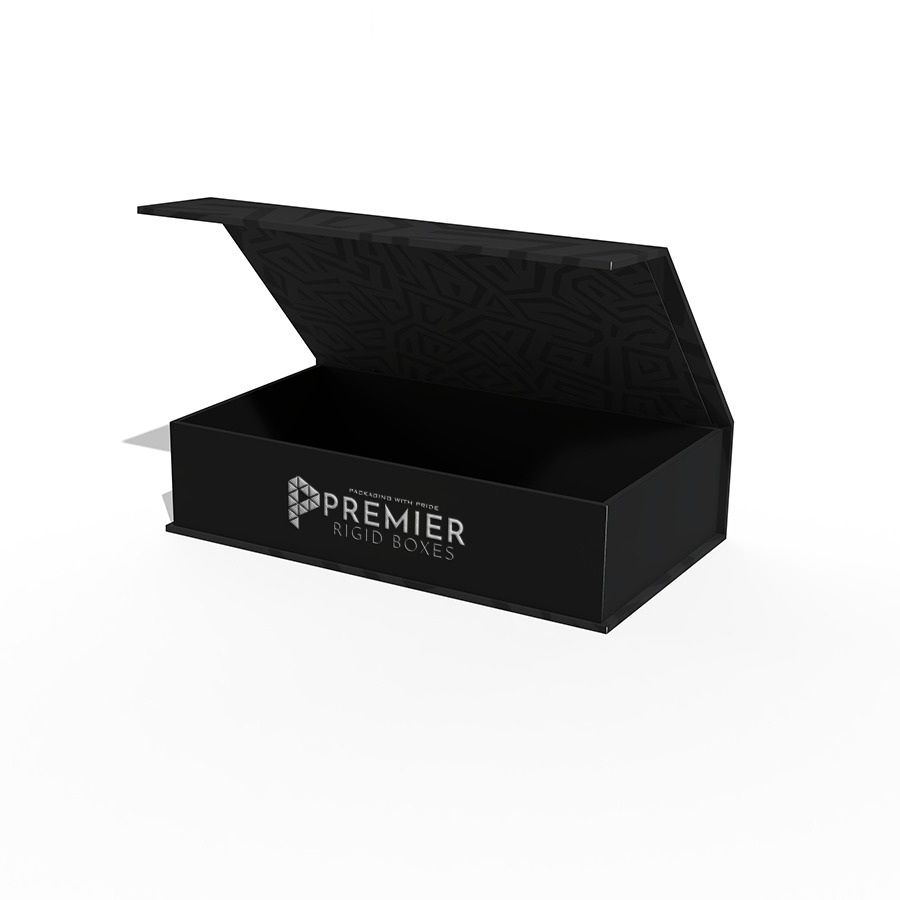
When a consumer touches a packaging surface and a raised logo or pattern is felt, something happens psychologically the perceived value of the product jumps. It’s that ‘touch’ magic, known as embossing.
But it is not only about having a great design and a high-pressure machine in order to make a flash embossed box. Combining a high-quality embossing die with an inappropriate structural substrate will cause the paper fibres to crack, the design to lay flat when the box is being opened, or for the box to bend over time. For a long-lasting, luxurious outcome, there’s a great deal of knowledge of paper physics and mechanical stress that goes into the process.
Anatomy of an Emboss
It is helpful to know what happens during the manufacture of the material to select the appropriate type. Embossing is a process which requires a matching pair of metal dies; one emboss and one deboss. Squeeze the paperboard between them at high temperature and pressure to permanently stretch the paper fibers and give the paperboard a 3-D look.
When a material is inelastic, the fibers will tear or fray out of the stretched area, and the design will look bad. Hence, in this classification, durability represents the choice of materials that are extensible without failure, and must retain their given structure for the duration of the product’s existence.
foundation of durability is the structural substrate
The material that runs the inside of your box is what will dictate how deep your emboss can be and how strong it will be when handling during shipping.
Solid Bleached Sulfate (SBS)
When it comes to sharp detail and structure, nothing beats SBS. It has a high density and uniformity that is made entirely of chemically pulped virgin wood fibers. The fibers are long and unbroken, so SBS can be embossed in multiple levels without cracking in deep, deep embossing. It is the preferred material for high quality cosmetics, high quality electronic products and packaging for spirits.
Premium Coated Recycled Board (CRB)
If you feel that sustainability cannot be compromised to achieve a high-quality look, then high-grade CRB is worth considering. The recycled board, however, is naturally brittle due to the short fibers that have been recycled. For durability, consider using a thickness of 18pt to 24pt and avoid embossing with sharp and deep geometric lines.
Rigid Greyboard (For Setup Boxes)
The emboss is not usually stamped straight on the thick structural board when creating luxury presentation boxes. Rather, a thick, hard graybeard center is covered with a thin, flexible specialty paper. The result of this technique is the ultimate structural strength of a hard, non-bending box combined with the flawless and intricate embossing characteristics of a high-quality wrapping paper.
Technical Specifications for Maximum Durability
To ensure your packaging looks pristine from the factory floor to the customer’s doorstep, keep these material variables in mind:
| Material Property | Target Specification | Why It Matters |
| Moisture Content | 5% to 7% | Dry paperboard is brittle and cracks easily; over-hydrated board loses its crisp shape. |
| Fiber Direction | Parallel to major scores | Embossing across the grain increases stress on fibers; aligning with the grain yields a smoother stretch. |
| Caliper (Thickness) | 16pt minimum (for direct print) | Thinner stocks cannot support structural depth and will bow or warp under die pressure. |
Protecting Your Design Post-Production
With the wrap and rigid technique, the outside paper layer will do most of the work for you when it comes to visual effects.
Uncoated Cotton Papers: Papers wherein a certain % of cotton fibers were used are extremely soft and flexible. Open and flexible surface which presents beautifully to embossing dies for massive depth, making it feel like a pillow.
Metallic and Foil-Laminated Papers: For a fantastic metallic finish, it is important to use highly elastic foil if desired. If the foil laminate is not of a good quality then it will peel or fail to lie flat at the emboss pressure points which will affect the cleanliness of your Embossed packaging boxes.
Choosing the Right Liner and Wrap Papers
When designing packaging to be immacate from manufacturing to delivery, remember these material variables:
Design Post-Production Protection
Even the finest materials need protection against friction. Boxes placed in shipping containers rub against each other when being transported. This rubbing means that if your embossed elements are high gloss or very inked, they may scuff or burnish as a result of the friction.
To avoid this, use a protective matte or soft-touch lamination on your design before embossing. This tiny piece of plastic is layered along the paper fibres to strengthen the raised edges and protect from scuffs, fingerprints and water.
Final Words
A good embossed design is one that is both artistic and practical. Using long-fiber virgin substrates, controlling paper moisture and using modern laminates to reinforce surfaces means your packaging will look perfect. High quality materials are not only able to withstand the pressure of the manufacturing process, they’re also able to maintain the artistry of your brand for the long term.