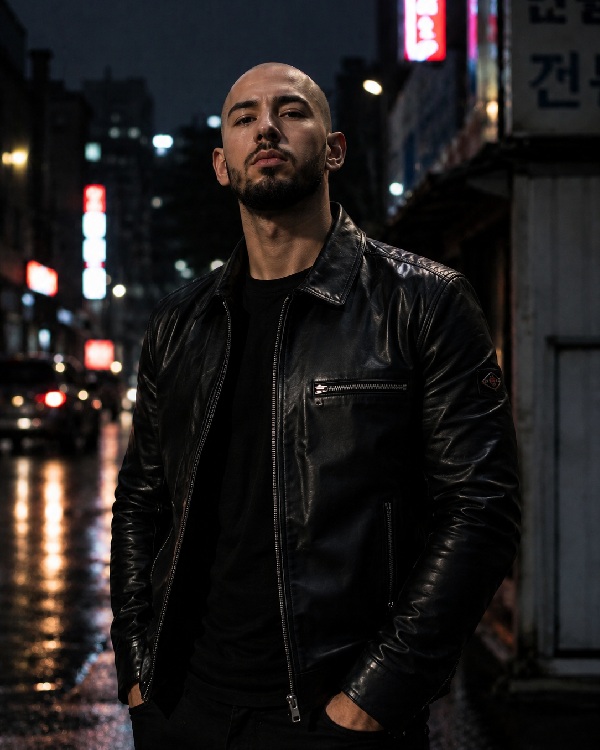
The Contradiction That Makes Sense
Here’s the paradox at the heart of this trend: it’s simultaneously minimal and maximal.
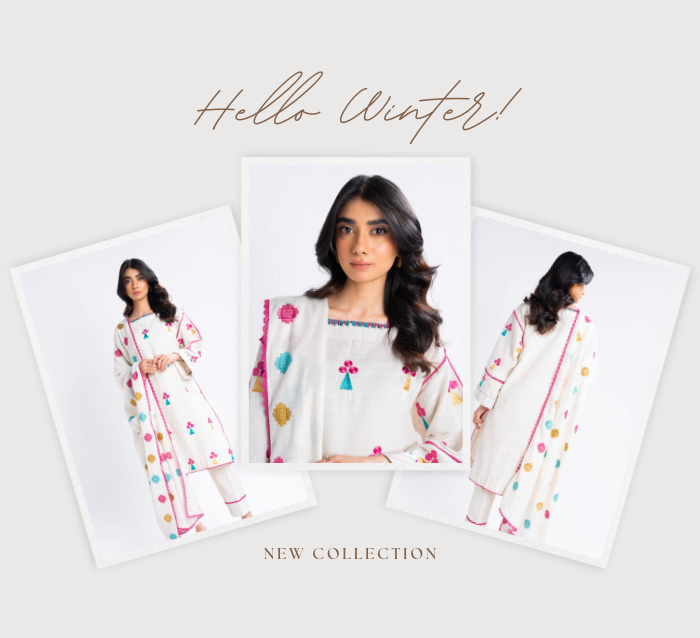
On one hand, the Andrew Tate aesthetic is about reducing. Simple basics. One statement piece. Clean lines. That’s maximalist restraint.
On the other hand, it’s about going bold. Unexpected colors. Intentional proportions. Visible luxury. That’s minimalist confidence.
Understanding this contradiction is the key to understanding why the trend actually works when executed well.
What Minimalism Actually Means in This Context
When we say “minimal,” we usually mean “less is more.” Fewer items. Simpler colors. Subtle details.
But in the Andrew Tate aesthetic, minimal means something different: it means *intentional reduction*. You’re not wearing less because you’re lazy. You’re wearing less because everything you’re wearing matters.
This is the opposite of: “I grabbed whatever was on top of the pile.”
It’s: “I chose three items that work together. I’ll wear them intentionally.”
The Maximalism Counter-Movement
For the last five years, minimalism was winning in menswear. The uniform was: boring basics. Neutral colors. Invisible fashion.
The Andrew Tate aesthetic is a reaction to that. It says: actually, bold is okay. Color is okay. Intentional maximalism is okay.
But here’s the thing: it’s not returning to the 90s maximalism (patterns everywhere, logos competing, more is more).
It’s *restrained* maximalism. One bold piece. Everything else supports it. It’s maximalism with control.
The Principle of One Statement
The core rule that holds this together: one statement per outfit.
If your jacket is bold (burgundy, oversized), everything else is basic:
– White or cream shirt
– Simple dark pants
– Minimal accessories
– Clean shoes
If your shirt is the statement (patterned, colored), then:
– Neutral jacket
– Simple pants
– Minimal accessories
If you’re making multiple statements, they have to work together:
– This is advanced. Most people should stick to one.
This principle feels restrictive but it’s actually liberating. You don’t have to figure out how to combine ten different pieces. You pick one thing that matters, execute it well, let everything else be invisible.
The Color Economy
Colors have weight. Attention-grabbing power. Emotional impact.
In minimalist fashion, colors are neutral or muted. That’s because you’re trying to be invisible.
In the Andrew Tate aesthetic, colors are intentional. Burgundy. Forest green. Deep navy. Not muted, not invisible.
But notice: not many colors. The palette is actually restricted. You’re using *bold* colors, but you’re not using many of them in one outfit.
This is the minimalist principle applied to color. Less variety, more impact.
The Luxury Transparency Angle
Here’s something subtle: the aesthetic doesn’t try to hide that it’s expensive.
Traditional luxury fashion whispers: “I’m expensive, but look how subtle I am.”
This aesthetic says: “I’m expensive and you know it, and that’s fine.”
Visible gold. Visible quality materials. Visible tailoring. You can *see* the investment.
This used to be considered tacky. Now it’s reading as honest. Confidence instead of insecurity.
It’s minimalist in that you’re showing one luxury signifier. You’re not covered in logos. But the luxury is visible.
The Posture as Fashion Statement
Here’s something nobody talks about: the posture required for this aesthetic is different.
Minimalist fashion (invisible clothing) allows slouching. The clothes don’t matter, so your body position doesn’t matter.
This aesthetic requires posture. Shoulders back. Chin level. Intentional movement.
The clothes demand respect from the body wearing them. And that changes how the whole outfit reads.
You can wear the exact same jacket with two different postures and it looks completely different. That’s because the aesthetic requires the full package: clothes AND body.
The Fabric Quality as Non-Negotiable
There’s no faking quality materials in this aesthetic.
Cheap leather looks cheap. Cheap wool looks cheap. Cheap construction reads immediately.
With minimalist fashion, inferior quality can sometimes hide (neutral colors, simple designs, less scrutiny).
With this aesthetic? Every flaw is visible because you’re not using variety to distract.
One bold burgundy blazer in cheap fabric looks worse than a subtle navy blazer in quality fabric.
The reduction of elements means each element is under intense scrutiny. Quality becomes non-optional.
The Complexity Behind the Simplicity
This is the thing that separates real execution from people trying: the simplicity is actually complex.
It looks simple. One jacket. One shirt. One pair of pants.
But the simplicity required:
– Understanding color coordination
– Understanding proportions for your body
– Understanding fabric quality
– Understanding the specific history of menswear that this aesthetic references
– Understanding your own confidence level and what you can pull off
Simple execution requires complex knowledge.
That’s why some people make it work and others struggle with the same pieces. The difference isn’t the clothes. It’s the understanding.
The Generational Divide
Older men (boomers, older gen-x) see this aesthetic as trying too hard. You’re supposed to just wear normal clothes. This is performative.
Younger men (millennials, gen-z) see it as intentional authenticity. Fashion isn’t supposed to be invisible. It’s supposed to be real.
The generational difference is in what “authenticity” means.
For older generations: authenticity is not trying. Not caring about appearance.
For younger generations: authenticity is commitment. Actually thinking about how you present.
Neither is inherently right. But the cultural values are genuinely different.
The Sustainability Angle
Minimalism used to mean: buy fewer items, keep them longer.
This aesthetic actually aligns with that. One quality jacket > five cheap jackets.
One intentional outfit > random combinations.
There’s a case to be made that this aesthetic is more sustainable than fast fashion maximalism, which requires constant new pieces.
But it requires that the quality actually supports longevity. If you buy a cheap burgundy blazer expecting it to last ten years, you’ll be disappointed.
The environmental argument only works if the garments are made to last.
The Price of Restraint
Ironically, minimal fashion is expensive.
You need:
– Quality basics (expensive because they’re simple)
– One or two statement pieces (expensive because they’re intentional)
– Good tailoring (expensive because customization costs)
The total investment for a proper minimalist wardrobe is often higher than a maximalist one.
But per-piece, per-wear, over time? The calculation changes. You wear each piece constantly. The investment amortizes.
Where This Breaks Down
The aesthetic doesn’t work:
– If you’re not willing to invest in quality
– If your body shape makes finding tailored pieces difficult
– If your environment doesn’t value intentional dressing
– If you’re not comfortable with bold colors
– If you’re trying to force it without real interest
This isn’t a universal aesthetic. It’s specific. It works brilliantly for the people it works for. For everyone else, it can feel uncomfortable.
The Future of This Aesthetic
My prediction: it stops being called the “Andrew Tate aesthetic” in about six months.
What remains: the principle of intentional minimalism in menswear. Bold, quality pieces. Careful styling. Confidence in presentation.
That’s not trendy. That’s actually enduring. That’s principles rather than trend.
The trend will fade. The principles will stay because they are actually good design.
FAQ
Q: Can I mix minimalism and maximalism or should I pick one?
A: You should pick one per outfit. You can switch between outfits. An outfit is either restrained or bold, not both.
Q: Is this aesthetic only for thin/tall men?
A: No. The principles work on different body types. You need different tailoring and proportions, but the *concept* is universal.
Q: How do I transition from normal dressing to this aesthetic?
A: Start with one quality neutral piece (navy blazer). Tailor it well. Style it carefully. Add one bold piece. Build from there over months.
Q: What if Im not interested in bold colors?
A: You can do this aesthetic in neutral colors (black, navy, white). Its less visually striking but the principles still apply.