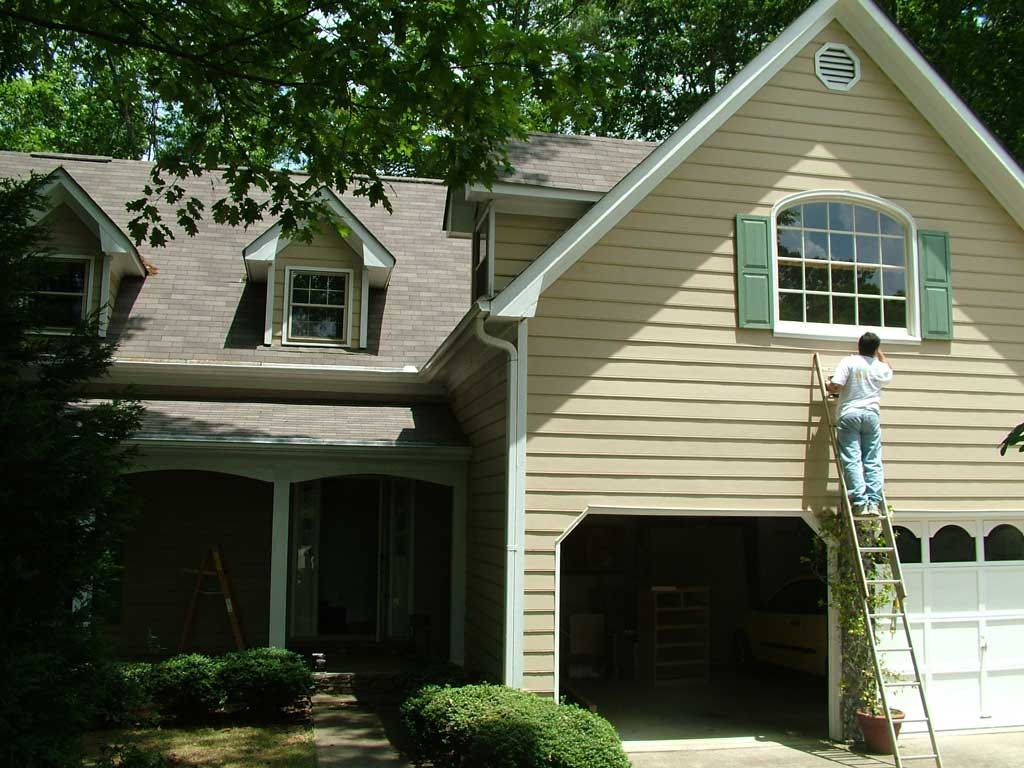
Exterior painting plays an important role in maintaining a home’s appearance and protecting its surfaces. Paint adds color and improves the overall look of a property. It also creates a protective layer that helps exterior materials handle rain, sunlight, moisture, and everyday exposure. A fresh coat of paint can improve curb appeal and give an older home a cleaner appearance. Property owners who plan an exterior painting project should consider surface preparation, paint selection, weather conditions, and proper application.

Why Exterior Painting Matters?
Exterior surfaces face changing weather throughout the year. Sunlight can fade paint, while rain and moisture can weaken older coatings. Dust, dirt, and pollution can also affect the appearance of painted surfaces. Over time, these conditions can cause peeling, cracking, and discoloration.
Exterior house painting helps protect siding, trim, doors, and other exposed areas. Quality paint creates a barrier against moisture and reduces direct exposure to the elements. Regular painting also helps property owners identify surface problems before they become more serious.
A well maintained exterior can improve property value and make a positive impression on visitors and potential buyers. Fresh paint also gives homeowners an opportunity to update their property’s style without making major structural changes.
Signs Your Property Needs Exterior Painting
Paint does not last forever. Different materials and weather conditions affect how long an exterior paint job remains in good condition. Regular inspections help homeowners recognize when their property needs attention.
Peeling paint is one of the most common signs. It often appears around window frames, doors, siding, and other areas that receive frequent exposure to moisture. Cracked paint can also allow water to reach the underlying material.
Faded colors indicate that sunlight has affected the coating. Some surfaces may also develop stains, chalky residue, or patches where the original paint has worn away.
Homeowners should consider exterior painting when they notice:
- Peeling, bubbling, cracking, or flaking paint on exterior surfaces.
- Faded colors, exposed wood, stains, or areas with uneven paint coverage.
These problems do not always require a complete repaint. A professional painter can inspect the property and determine whether certain areas need repairs or whether the entire exterior needs new paint.
Preparing Exterior Surfaces Before Painting
Surface preparation has a direct effect on the final result. Even high quality paint can fail when painters apply it over dirt, loose paint, or damaged materials.
The preparation process starts with an inspection. Painters examine siding, trim, doors, fascia, and other surfaces for damage. They identify peeling paint, cracks, gaps, and areas that need repair.
Cleaning comes next. Exterior walls collect dust, cobwebs, mildew, and other contaminants. Painters remove these materials so the new coating can bond properly. Depending on the surface, they may use gentle washing methods or suitable cleaning products.
After cleaning, the surfaces need enough time to dry. Painters then scrape loose paint and sand rough areas. They fill small cracks and gaps with suitable exterior materials. Damaged wood may require repair or replacement before painting begins.
Primer also plays an important role. It helps create a suitable base for the finish coat and improves paint adhesion. Painters select primer according to the surface material and condition.
Choosing the Right Exterior Paint
Paint selection affects appearance, durability, and maintenance. Homeowners should choose products that match their property’s exterior materials and local weather conditions.
Exterior acrylic latex paint works well on many common surfaces. It offers flexibility, good adhesion, and resistance to fading. Some products also allow moisture to escape from the underlying material, which helps reduce certain paint problems.
Wood painting services may require specialized exterior coatings. Masonry, stucco, and concrete also need products designed for their particular surfaces.
Color selection deserves attention as well. Light colors can create a clean and open appearance, while darker shades add contrast and character. Homeowners should consider the roof, landscaping, brickwork, and other permanent features when selecting exterior paint colors.
A paint sample can help homeowners see how a color looks under natural light. Testing a small area before starting the full project helps prevent unwanted results.
Exterior Painting for Different Surfaces
Every exterior material has different painting requirements. Painters must adjust their preparation and application methods according to the surface.
Wood siding needs careful inspection because moisture can cause swelling, rot, and paint failure. Painters should address damaged sections before applying new paint.
Stucco requires suitable coatings that work with its textured surface. Cracks need attention because water can enter through damaged areas. The painter should select paint that suits the condition and type of stucco.
Vinyl siding requires compatible paint products. The color selection also matters because certain dark colors can increase heat absorption and cause problems with some siding materials.
Brick and masonry surfaces need coatings designed for porous materials. Painters should evaluate moisture conditions and choose products that allow the surface to manage water vapor properly.
Exterior trim, shutters, and fascia often require a different finish from the main walls. A contrasting trim color can create a balanced appearance and highlight architectural details.

The Exterior Painting Process
A professional exterior painting project follows an organized process. First, the painter discusses the homeowner’s goals, preferred colors, surface concerns, and project requirements.
The team then inspects the property and prepares an estimate. This estimate should explain the work area, preparation requirements, paint products, and expected project schedule.
Before painting begins, workers protect nearby landscaping, outdoor furniture, walkways, windows, and other areas. They prepare the surfaces and apply primer where necessary.
Painters then apply the finish coats using suitable brushes, rollers, or spray equipment. They pay attention to corners, edges, joints, and areas that require detailed work. Proper coverage helps create a consistent appearance.
After application, the team checks the painted surfaces for missed areas, uneven coverage, and other visible problems. Final cleanup leaves the property ready for normal use.
Choosing a Professional Exterior Painting Contractor
The right painting contractor can make the project easier to manage. Homeowners should look for painters who understand different exterior materials and use appropriate preparation methods.
Experience matters because exterior painting involves more than applying color. A qualified contractor knows how to identify peeling paint, damaged wood, moisture concerns, and other conditions that affect the work.
Property owners should also ask about paint brands, surface preparation, primer, coats, cleanup, and project timelines. A clear written estimate helps prevent confusion about the services included.
Insurance, references, and examples of previous work also help homeowners evaluate a contractor. Good communication makes it easier to discuss concerns and understand each stage of the project.
Maintaining Your Exterior Paint
Regular maintenance helps painted surfaces remain attractive for longer. Homeowners should inspect their property’s exterior at least once or twice a year. They should pay special attention to areas around windows, doors, gutters, and roof edges.
Gentle cleaning removes dirt before it becomes difficult to manage. Homeowners should also repair small cracks and damaged areas promptly. Gutters and downspouts should direct water away from exterior walls.
Avoid harsh cleaning tools that can damage paint. When a small section begins to peel, address the cause before applying touch up paint.
Conclusion
Exterior painting in Salem, OR improves the appearance of a property and helps protect its surfaces from everyday weather exposure. Proper preparation, suitable paint products, and careful application all contribute to a durable finish. Homeowners should choose experienced painters who understand different materials and follow a complete painting process.
Pacific Painting LLC is the best company for exterior painting services in Salem, OR, and the surrounding areas. The company provides professional painting solutions that help homeowners maintain attractive and well protected properties. Contact Pacific Painting LLC to discuss your exterior painting needs and schedule your next project.
Frequently Asked Questions
1. How often should I repaint my home’s exterior?
Most homes need exterior painting every 5 to 10 years. The exact schedule depends on the paint quality, surface material, weather exposure, and maintenance.
2. What is the best season for exterior painting?
Mild and dry weather usually provides suitable painting conditions. Painters should follow the paint manufacturer’s temperature and humidity recommendations.
3. Does exterior painting require surface preparation?
Yes. Cleaning, scraping, sanding, filling cracks, and applying primer when needed help paint bond properly and create a smooth finish.
4. How many coats of exterior paint does a house need?
Most projects require one or two finish coats, depending on the surface condition, paint product, and color change.
5. Can I change my home’s exterior color?
Yes. Homeowners can choose new colors to update their property’s appearance. They should consider existing materials, architectural features, and neighborhood requirements.
6. How long does exterior painting take?
The timeline depends on property size, surface condition, weather, and preparation requirements. A painting contractor can provide a more accurate schedule after inspecting the property.