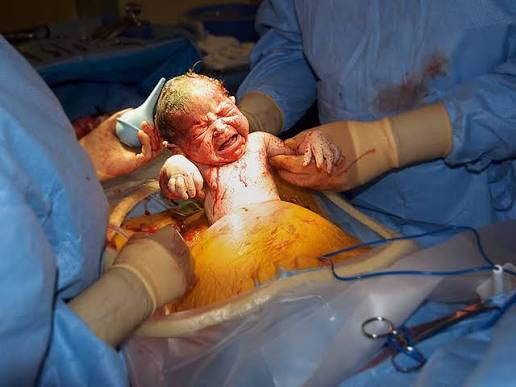
The birth of a baby is an important milestone, and understanding the delivery process can help expectant parents feel more prepared and confident. While many babies are delivered vaginally, a cesarean section, commonly called a C-section, is another established method of childbirth. It involves delivering the baby through surgical incisions in the mother’s abdomen and uterus.

cesarean section surgery may be planned in advance or performed as an emergency when medical circumstances make it the safest option for the mother, baby, or both. Knowing why the procedure is recommended, how it is performed, and what recovery involves can help women make informed decisions about their maternity care.

With guidance from an obstetrician, expectant mothers can discuss their individual circumstances, understand the potential benefits and risks, and prepare for the delivery experience. Dr. Mahsa Aghaei’s approach to maternity care can be discussed with the treating healthcare team to help patients understand their options and make decisions based on their medical needs.
What Is Cesarean Section Surgery?
Cesarean section surgery is a surgical procedure in which a baby is delivered through incisions made in the mother’s abdominal wall and uterus. It is performed by an obstetric team in a hospital or an appropriately equipped surgical facility, with monitoring and support for both mother and baby.
A C-section may be recommended when vaginal delivery could pose additional risks or when complications arise during labour. It can be scheduled before labour begins or performed urgently if the circumstances change during pregnancy or childbirth.
Although it is a common method of delivery, a cesarean section is still major abdominal surgery. Proper preparation, careful monitoring, and appropriate postoperative care are important for maternal recovery.
When Is a C-Section Recommended?
A cesarean delivery may be recommended when the obstetrician determines that it offers a safer option than vaginal birth in the patient’s specific circumstances. The decision depends on factors involving the mother, the baby, the progress of labour, and the medical history.
Common Reasons for a Planned Cesarean
A planned C-section may be considered in situations such as:
- Breech presentation: The baby is positioned feet-first or bottom-first rather than head-first, and a vaginal delivery may not be appropriate.
- Placenta previa: The placenta covers the cervix, potentially making vaginal delivery unsafe.
- Previous uterine surgery: Certain previous cesarean deliveries or other uterine operations may affect the safest delivery method.
- Multiple pregnancy: Some twin or higher-order pregnancies require a cesarean, depending on the babies’ positions and other clinical factors.
- Certain maternal health conditions: Specific medical or obstetric conditions may make a planned surgical delivery preferable.
- Baby’s position or size: Particular circumstances involving the baby’s position, estimated size, or the mother’s anatomy may influence the delivery plan.
A previous C-section does not automatically mean that every subsequent baby must be delivered surgically. Some women may be candidates for a vaginal birth after cesarean (VBAC), depending on their medical history and the availability of appropriate monitoring and emergency care.
When Is an Emergency C-Section Needed?
An emergency cesarean may become necessary if a complication develops during labour or late pregnancy. Examples include concerns about the baby’s heart rate, labour that is not progressing safely, significant bleeding, or a suspected problem with the placenta.
The urgency varies from one situation to another. The medical team assesses the circumstances and explains the recommended course of action whenever time and the clinical situation allow.
How Does the Cesarean Delivery Process Work?
A C-section follows a structured process designed to protect the mother and baby. The exact steps can vary depending on whether the operation is planned or urgent and on the patient’s medical condition.
1. Preparation Before Surgery
Before a planned procedure, the healthcare team reviews the mother’s medical history, medications, allergies, previous surgeries, and relevant test results. The team also explains the procedure, discusses anaesthesia, and answers questions about recovery.
Patients receive instructions about fasting, medication use, and arrival time. These instructions should be followed carefully, and any uncertainty should be clarified with the hospital team.
An intravenous line is usually placed to provide fluids and medications. The abdomen is prepared for surgery, and monitoring equipment is used to assess the mother’s vital signs.
2. Anaesthesia and Pain Control
Most cesarean deliveries are performed using regional anaesthesia, such as spinal or epidural anaesthesia. This numbs the lower part of the body while allowing the mother to remain awake for the birth.
The anaesthetist monitors the mother’s condition throughout the procedure and helps manage discomfort, nausea, or changes in blood pressure. General anaesthesia may be required in certain emergency situations or when regional anaesthesia is unsuitable.
With regional anaesthesia, the mother may feel pressure, pulling, or movement during delivery, but she should not experience sharp surgical pain. Any pain or significant discomfort should be communicated to the medical team immediately.
3. Making the Surgical Incisions
Once the anaesthesia is effective, the surgeon makes an incision through the abdominal wall, usually a horizontal incision low on the abdomen. The surgeon then opens the uterus through a separate incision to reach the baby.
The type and position of the incision may vary according to the clinical circumstances. The surgical team works carefully to deliver the baby while protecting nearby organs and managing bleeding.
4. Delivering the Baby
After the uterus is opened, the baby is gently delivered. The umbilical cord is clamped and cut according to the clinical plan, and the baby is assessed by the neonatal or maternity team.
When the mother and baby are stable, early skin-to-skin contact and breastfeeding may be possible in the operating room or recovery area, depending on hospital practices and individual circumstances.
5. Removing the Placenta and Closing the Incisions
After the baby is delivered, the surgeon removes the placenta and checks the uterus for bleeding. The uterine incision and abdominal layers are then closed using appropriate surgical techniques.
The procedure typically takes around 40–60 minutes, although the duration can vary. The baby may be delivered relatively early in the operation, while the remaining time is used to complete the surgery safely.
What Happens After a Cesarean Section?
Following cesarean section surgery, the mother is moved to a recovery area where healthcare professionals monitor her blood pressure, pulse, bleeding, pain, and recovery from anaesthesia.

Pain relief is provided as needed, and the team checks that the mother can move safely and urinate normally. Depending on her condition, she may begin drinking fluids and eating when appropriate.
Early, assisted movement is generally encouraged because it can support recovery and reduce the risk of blood clots. The healthcare team may also recommend preventive measures based on individual risk factors.
Hospital stays vary, but many women remain in the hospital for around one to three days after an uncomplicated C-section. Discharge depends on the mother’s recovery, the baby’s condition, and the availability of suitable support at home.
Recovery After Cesarean Section Surgery
Recovery after a C-section takes time because the abdominal wall and uterus need to heal. Many women gradually resume everyday activities over approximately six weeks, although complete recovery may take longer.
Practical Tips for Recovery
To support healing after delivery:
- Follow wound-care instructions: Keep the incision clean and follow the medical team’s guidance about bathing, dressings, and monitoring the wound.
- Take prescribed medication correctly: Use pain relief and other medicines according to the instructions provided by your healthcare professional.
- Move gently and regularly: Short, comfortable walks can support circulation. Increase activity gradually rather than pushing through pain.
- Avoid heavy lifting: Do not lift anything heavier than your baby or resume strenuous exercise until your clinician advises that it is safe.
- Accept practical support: Help with meals, household tasks, and baby care can make the first weeks easier.
- Attend follow-up appointments: These visits allow the healthcare team to assess healing and address any concerns.
Breastfeeding is generally possible after a cesarean delivery. Positioning the baby with support pillows or using a side-lying or football hold may reduce pressure on the incision. A maternity professional or lactation consultant can help find a comfortable position.
Warning Signs That Need Medical Attention
Contact your healthcare provider promptly if you experience fever, worsening wound redness, pus or discharge from the incision, increasing abdominal pain, or heavy vaginal bleeding.
Seek urgent medical attention for chest pain, difficulty breathing, fainting, severe headache with visual changes, or sudden painful swelling in one leg. These symptoms may indicate a serious complication and should not be ignored.
Benefits and Risks of Cesarean Delivery
A cesarean section can be lifesaving when vaginal delivery presents unacceptable risks. It can also provide a planned delivery approach when certain pregnancy complications make surgery the preferred option.
However, the procedure has potential risks, including:
- Infection at the surgical site or within the uterus.
- Bleeding and, occasionally, the need for a blood transfusion.
- Blood clots in the legs or lungs.
- Injury to nearby organs, although this is uncommon.
- Complications related to anaesthesia.
- A longer recovery period compared with an uncomplicated vaginal delivery.
There may also be implications for future pregnancies. A uterine scar can affect the risk of certain placental complications and uterine rupture in a subsequent pregnancy.
Babies delivered by planned cesarean before labour may have a higher chance of temporary breathing difficulties, particularly when delivered before 39 weeks. The timing of a planned procedure should therefore be discussed with the obstetrician, taking medical indications into account.
The safest delivery method is the one that best addresses the mother’s and baby’s individual needs. A personalised discussion helps patients understand the balance of benefits and risks rather than assuming that one delivery method is always preferable.
How to Prepare for a Planned C-Section
Preparation can make the experience more manageable and help families plan for the early days after birth.
Before surgery, consider asking your obstetrician:
- Why is a cesarean recommended in my circumstances?
- What type of anaesthesia will be used?
- Can my birth partner be present during delivery?
- When can I hold my baby and begin breastfeeding?
- What should I expect during recovery?
- When can I return to driving, exercise, work, and other normal activities?
- What precautions should I take in a future pregnancy?
Arrange transport home, prepare essential baby supplies, and organise help with daily tasks. Make sure the hospital team knows about all medications, supplements, allergies, and relevant medical conditions.
If labour begins or your waters break before a scheduled cesarean, contact your maternity unit promptly for instructions rather than waiting for the planned appointment.
Frequently Asked Questions
1. Is cesarean section surgery painful?
Regional anaesthesia usually prevents sharp pain during the operation, although pressure and pulling sensations may occur. Soreness and discomfort around the incision are common afterward and are managed with appropriate pain relief.
2. How long does it take to recover from a C-section?
Many women gradually return to normal daily activities over approximately six weeks, but recovery varies. The timeline depends on the individual’s health, whether complications occur, and the physical demands of daily life.
3. How long does a cesarean delivery take?
The operation commonly takes around 40–60 minutes, although emergency situations or surgical complications can change the duration. The baby is generally delivered before the surgeon completes the remaining steps of the procedure.
4. Can I breastfeed after a cesarean section?
Yes, most mothers can breastfeed after a C-section. Assistance with positioning, pain control, and early feeding support can make breastfeeding more comfortable while the incision heals.
5. Is a C-section safer than vaginal delivery?
Neither delivery method is universally safer for every pregnancy. The safest option depends on factors such as the baby’s position, the mother’s health, previous surgeries, and complications that may arise during labour. An obstetrician can explain which approach is appropriate for the individual situation.
Conclusion
Cesarean section surgery is an important delivery option when medical circumstances make surgical birth the most appropriate choice. Understanding the preparation, anaesthesia, delivery process, possible risks, and recovery period can help expectant parents approach childbirth with greater confidence. Follow-up care and clear communication with the maternity team remain essential for safe healing.
For individual guidance about pregnancy, delivery planning, and recovery, patients can discuss their concerns and medical history with their obstetrician, including Dr. Mahsa Aghaei, to better understand their available options and make informed decisions about their maternity care.