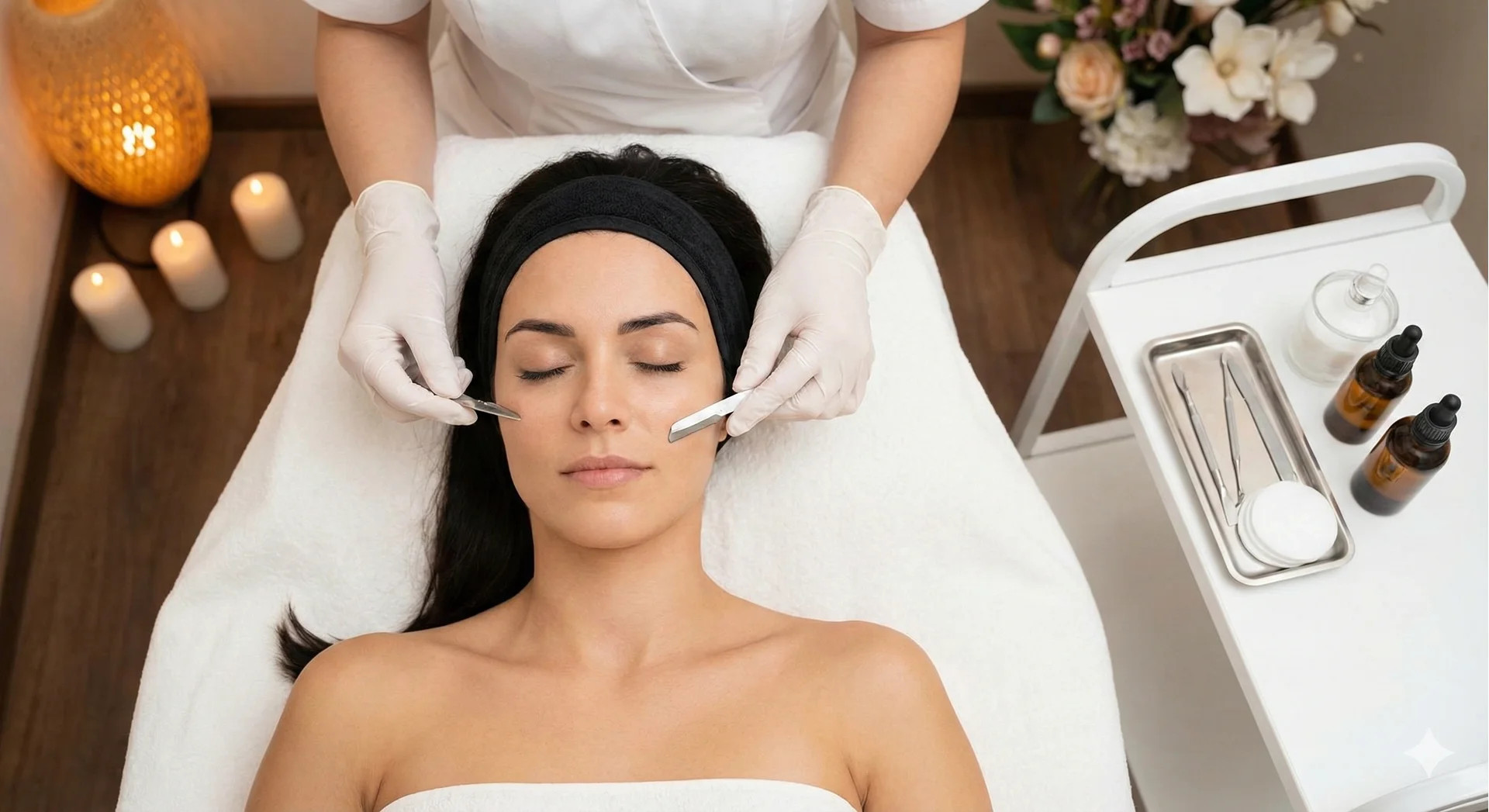
Chemical peels are popular cosmetic treatments designed to improve skin texture, tone, and overall appearance. They work by applying a chemical solution that removes damaged outer skin layers and encourages skin renewal. Depending on the strength of the solution and how deeply it penetrates the skin, chemical peels can address concerns such as dullness, uneven pigmentation, fine lines, acne marks, and sun damage.

Understanding the difference between light, medium, and deep chemical peels can help you determine which treatment may be appropriate for your skin concerns. Each option offers different benefits, recovery times, and potential risks. A qualified skincare professional can evaluate your skin and recommend a treatment based on your goals and medical history.

1. What Is a Light Chemical Peel?
A light chemical peel, sometimes called a superficial peel, targets the outermost layer of the skin, known as the epidermis. It typically uses mild acids, such as glycolic acid, lactic acid, or salicylic acid, to exfoliate dead skin cells and support the skin’s natural renewal process.
For individuals exploring chemical peels in Beverly Hills, a light peel may be an option for improving dullness, uneven skin tone, rough texture, and certain types of acne. It offers a less intensive approach to skin rejuvenation, typically with minimal downtime, making it suitable for people seeking a refreshed appearance without a more aggressive treatment.
Benefits of Light Chemical Peels
Light chemical peels may offer several benefits, including:
- Improving dull or uneven-looking skin.
- Reducing the appearance of mild discoloration.
- Helping unclog pores and manage certain types of acne.
- Smoothing rough skin texture.
- Creating a brighter, more refreshed appearance.
The results are generally subtle and may require multiple sessions to achieve the desired improvement. Depending on the ingredients used, skin sensitivity, and treatment strength, temporary redness, dryness, or mild flaking may occur.
Recovery Time
Recovery from a light chemical peel is generally shorter than recovery from deeper peels. Some people experience mild redness or peeling for several days, although the exact timeline varies.
Following treatment, it is important to use gentle skincare products, apply moisturizer, and protect the skin from sunlight. Your provider may recommend avoiding exfoliating ingredients and other potentially irritating products until your skin has recovered.
2. What Is a Medium Chemical Peel?
A medium chemical peel penetrates beyond the epidermis into the upper portion of the dermis. It typically uses stronger formulations, such as trichloroacetic acid (TCA), to address more noticeable skin concerns.
Medium peels may be recommended for people experiencing moderate sun damage, uneven pigmentation, certain acne scars, or more visible fine lines. Because the treatment reaches deeper skin layers, it generally produces more substantial changes than a superficial peel.
Benefits of Medium Chemical Peels
Depending on the formulation and individual skin condition, medium chemical peels may help:
- Improve the appearance of moderate sun damage.
- Reduce certain types of uneven pigmentation.
- Soften the appearance of fine lines.
- Improve some superficial acne scars.
- Create a smoother and more even-looking skin surface.
Medium peels require careful assessment because their depth and strength increase the possibility of complications. People with darker skin tones or a history of pigmentation problems may have a higher risk of developing post-inflammatory hyperpigmentation after certain peels. A qualified provider should evaluate these risks before recommending treatment.
Recovery Time
Recovery from a medium chemical peel generally takes longer than recovery from a light peel. Redness, swelling, peeling, and crusting may occur as the skin heals. Depending on the treatment, visible recovery may take approximately one to two weeks, although redness can sometimes persist longer.
Patients should follow their provider’s aftercare instructions closely. Picking or pulling peeling skin can increase the risk of infection, scarring, and pigmentation changes.
Sun protection is especially important during recovery because newly treated skin can be more sensitive to ultraviolet radiation.
3. What Is a Deep Chemical Peel?
A deep chemical peel penetrates into deeper layers of the skin and is designed to address more significant signs of photoaging and certain pronounced skin concerns. Phenol-based formulations are commonly associated with deep chemical peels.
Because these treatments have a greater impact on the skin, they can produce more dramatic improvements than light or medium peels. However, they also involve greater risks, more extensive recovery, and stricter patient selection.
Deep chemical peels are not appropriate for everyone and should only be performed by a suitably qualified medical professional with the necessary training and facilities.
Benefits of Deep Chemical Peels
For carefully selected patients, deep chemical peels may help improve:

- Pronounced fine lines and wrinkles caused by sun damage.
- Significant sun-related skin changes.
- Certain types of uneven pigmentation.
- Some deeper textural irregularities.
Deep peels are not a universal solution for every type of acne scar, pigmentation concern, or wrinkle. The outcome depends on the condition being treated, the formulation used, and individual healing characteristics.
Recovery Time
Deep chemical peels require a substantially longer recovery period than lighter treatments. Healing may take several weeks, and persistent redness can last for months in some cases.
Patients may need prescribed wound care, follow-up appointments, and specific restrictions during recovery. Deep peels also carry risks that can include infection, scarring, lasting pigment changes, and other complications.
Phenol-based peels may cause systemic toxicity, including heart rhythm disturbances. For this reason, careful medical screening and appropriate monitoring are essential.
4. Light vs. Medium vs. Deep Chemical Peels
Although all three treatments use chemical exfoliation to improve the skin, they differ in depth, treatment intensity, expected results, and recovery requirements.
| Feature | Light Peel | Medium Peel | Deep Peel |
| Treatment depth | Outer epidermis | Epidermis and upper dermis | Deeper dermal layers |
| Common ingredients | Glycolic, lactic, or salicylic acid | Often TCA-based | Often phenol-based |
| Main concerns | Dullness, mild acne, uneven tone | Sun damage, fine lines, selected pigmentation concerns | Pronounced photoaging and deeper wrinkles |
| Expected results | Subtle improvement | More noticeable improvement | Potentially substantial improvement |
| Typical recovery | Several days | Around one to two weeks | Several weeks or longer |
| Treatment intensity | Lower | Moderate | High |
| Risk level | Generally lower | Higher than a light peel | Highest of the three |
These comparisons are general guidelines. Actual treatment depth and recovery depend on the specific chemical formulation, concentration, application technique, and individual response.
5. How Do You Choose the Right Chemical Peel?
The most appropriate chemical peel depends on your skin concerns, medical history, skin tone, lifestyle, and willingness to manage recovery.
Consider Your Primary Skin Concern
If your main concerns are dullness, mild acne, or rough texture, a light peel may be a reasonable starting point. Medium peels may be considered for more noticeable sun damage, fine lines, or selected superficial scars. Deep peels are reserved for specific concerns that justify their greater risks and recovery demands.
A deeper peel is not automatically better. Choosing the right treatment means balancing potential benefits with safety.
Evaluate Your Skin Type and Pigmentation Risk
Skin tone and a history of pigmentation changes are important considerations. Some chemical peels can cause dark or light patches, particularly when the formulation or treatment depth is unsuitable for the individual.
People with darker skin tones may still be candidates for chemical peels, but the choice of agent, concentration, and treatment approach requires careful professional judgment.
Understand Your Recovery Commitment
A light peel may fit more easily into a busy schedule, while medium and deep peels can require considerable time away from normal activities.
Before treatment, ask your provider how long visible peeling and redness may last, what aftercare will involve, and when you can resume exercise, makeup, and your usual skincare routine.
Consult a Qualified Professional
A consultation allows a qualified provider to examine your skin, review your medical history, discuss your goals, and explain the benefits and risks of different treatment options.
Tell your provider about previous cosmetic treatments, medications, cold sore history, active skin conditions, and any tendency to develop scars or pigmentation changes. These details can affect treatment suitability and preparation.
6. How to Care for Your Skin After a Chemical Peel
Aftercare plays an important role in supporting healing and reducing the risk of complications.
Regardless of peel depth, follow the instructions provided by your treating professional. General recommendations may include:
- Cleanse gently: Use a mild cleanser that does not irritate the treated skin.
- Moisturize appropriately: Apply the recommended moisturizer or wound-care product.
- Protect against sunlight: Follow professional advice on sun avoidance and when to resume sunscreen use.
- Avoid picking the skin: Allow peeling skin to shed naturally.
- Pause irritating products: Avoid retinoids, exfoliating acids, scrubs, and other active ingredients until your provider confirms that it is safe to restart them.
- Attend follow-up appointments: Seek professional guidance if healing does not progress as expected.
Contact your provider promptly if you develop increasing pain, spreading redness, pus, fever, or other concerning symptoms. Severe pain, eye symptoms, or signs of a serious reaction require urgent medical assessment.
Conclusion
Light, medium, and deep chemical peels differ mainly in how deeply they penetrate the skin, the concerns they can address, and the recovery and risks involved. Light peels generally focus on superficial concerns with relatively short downtime. Medium peels target more noticeable skin damage and require a longer recovery. Deep peels can provide substantial improvement for selected concerns but involve greater risks and more demanding aftercare.
The best choice depends on your individual skin condition and treatment goals rather than peel strength alone. Consult a qualified skincare or medical professional to determine which option is appropriate for your skin, understand the possible side effects, and develop a treatment plan that prioritizes both safety and results.