Gout is a type of arthritis that is painful and characterized by sudden, severe joint pain, swelling, and redness. Gout may develop at any joint of the body; however, it usually occurs in the toe. The condition is a result of uric acid accumulation in the blood, thus forming solid crystals that are painfully located in the joints, which causes extreme swelling and discomfort. Ayurveda, the ancient Indian medicine, is not only a symptom reliever for gout but also a treatment method for the underlying causes of the disease.
What is Gout Pain?
The gout pain usually strikes during the night, and is so intense that even touching a bed sheet with the affected part will cause a lot of pain. The pain cycle can be alternating, but unless treated properly, the attacks of gout can become more frequent and extend with time. The affected joints have many common symptoms, such as swelling, stiffness, and warmth.

According to Ayurveda, gout pain is a physical condition as well as a sign of underlying dietary and lifestyle issues. Patients report their pain increases after they consume heavy meals and alcoholic beverages and sit for extended periods. The study demonstrates that joint health depends on the way digestion and circulation and stress management interrelate. The triggers that Ayurveda observes create a complete prevention system that the system uses to achieve its treatment goals.
Gout is referred to as Vatarakta in Ayurveda, which is the disorder that arises due to the lack of balance between the doshas (Vata, Rakta). Once Vata is aggravated by some factors, such as improper diet, an unhealthy sedentary way of living, etc., it impairs Rakta dhatu (blood tissue), which causes toxins (ama) and uric acid to build in the body. This leaves a state of inflammation, redness, and pain in the joints.
Ayurvedic Perspective on Gout Pain
Ayurveda lays stress on the balance of the three main doshas -Vata, Pitta, and Kapha -in the achievement of general health. When Vata gets mixed with toxins that have built up in the blood in gout, it hinders the normal circulation of energy and nutrients in the joints.
The obstruction causes pain and restricts movement, which makes it hard to perform basic activities such as walking and climbing stairs. The Ayurvedic approach bases its healing methods on three essential elements, which include detoxifying the body and restoring dosha balance and building body tissues.
While modern painkillers only treat symptoms, but Ayurvedic remedies provide long-lasting relief because they work to restore body balance. Ayurveda explains that gout is not caused only by high uric acid but also by weak digestion, known as agni.
The body accumulates toxins when people experience weak digestion, which results in increased body inflammation that strengthens their joint pain. Ayurveda focuses on improving digestion through proper diet, herbs like trikatu, and seasonal routines such as light foods in spring and bitter herbs in summer. These practices help reduce gout attacks and support long-term joint health through a holistic lifestyle approach.
This obstruction is:
- The removal of toxins in the body.
- Correcting the imbalance of Vata and Rakta.
- Reinforcement of the joints to avoid recurrence.
Ayurvedic physicians recommend that patients use herbal remedies together with yoga meditation and pranayama as their primary treatment methods. These methods are believed to reduce Vata aggravation brought on by stress, calm the mind, and enhance circulation. The two elements work together to form a complete healing system that treats both the underlying gout issue and its associated painful symptoms.
Gout pain medication is important in the reduction of inflammation, dissolution of uric acids, and promotion of natural metabolism. Guduchi, Triphala, Guggulu, and Nirgundi are some of the Ayurvedic herbs, traditionally used as detoxifying and anti-inflammatory.
Common causes of gout, according to Ayurveda:
- Unhealthy Diet: A diet including an excess of non-vegetarian food, alcohol, fried and oily foods, and sugary drinks can raise the level of uric acid.
- Sedentary Lifestyle: The metabolism slows down due to no physical activity, leading to the accumulation of toxic substances.
- Mental Stress: Imbalance of Vata due to stress and anxiety may affect blood circulation and joint conditions.
- Poor Digestion: It is a result of the weak digestive fire, leading to incomplete digestion, and ama (toxins) gets circulated in the joints.
- Genetic Predisposition: Gout may be genetic because of a tendency to metabolic problems.
Ayurveda reduces such causes by repairing the digestive system, increasing circulation, and restoring natural balance with the help of remedies based on herbs and lifestyle changes.
Ayurvedic Remedy for Gout Pain
1) Panchakarma Therapy:
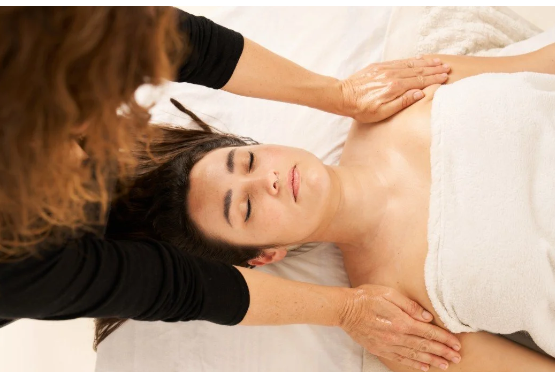
The Panchakarma treatment serves as the superior detoxification method which implements Ayurvedic detoxification practices. The therapies helps in reducing inflammation and providing long-term gout pain relief.
2) Herbal Remedies:
There are various herbs that are very helpful in gout:
- Guduchi: A natural anti-inflammatory and detoxifier.
- Guggulu: Helps break uric acid deposits and reduces joint pain.
- Triphala: Aids digestion and detoxification.
- Punarnava: Reduces water retention and inflammation.
- Nirgundi: Improves flexibility and reduces stiffness.
The combination of these herbs in appropriate Ayurvedic medicine to relieve gout pain increases their effectiveness, offering a natural and long-term solution to gout symptoms.
3) Dietary Recommendations:
Ayurveda recommends a light, easily digestible diet to reduce uric acid production. Include:
- Fresh fruits such as cherries, apples, and pomegranates.
- Bitter herbs and green leafy vegetables.
- Whole grains like brown rice and barley.
- Ample water and herbal teas like coriander or cumin water.
Avoid red meat, seafood, alcohol, and refined sugars, as they worsen gout symptoms.
4) Lifestyle Modifications:
- Stick to a routine of yoga and light exercise to enhance blood flow and metabolism.
- It is advisable not to go to bed late or to think a lot, as these worsen Vata.
- Meditate and do pranayama to relieve stress.
- Sleep to the full to rejuvenate and harmonize the body.
5) Bone and Joint Ayurvedic Supplements:
Besides herbs that lower uric acid, Ayurvedic preparations also focus on strengthening bones and joints. The best ayurvedic calcium tablets are beneficial in maintaining bone density and enhancing joint elasticity, reducing the frequency of gout attacks. The natural calcium sources in these formulations are like Mukta Shukti, Shankh Bhasma, and Kukkutandatvak Bhasma, which are non-toxic to the digestive system and highly bioavailable.
Home Remedies for Gout
- Fenugreek Seeds: Soak them overnight and then drink the water to get rid of inflammation.
- Ginger Paste: Apply to swollen joints for the purpose of reducing swelling.
- Castor Oil Pack: The use of warm compresses is recommended for the alleviation of stiffness and pain.
- Lemon Water: It works by making the body more alkaline, thus helping in the expulsion of uric acid.
- Turmeric Milk: It has anti-inflammatory properties that reduce pain and promote the healing of joints.
Preventing Gout Naturally
Having a proper diet, along with proper digestion and proper management of stress, can reduce the chances of gout recurrence significantly. Taking herbal formulations on a routine basis under supervision and detoxification is useful in maintaining the joints in their best condition.
Such a combination of natural herbs, detox treatments, and nutritional supplementation ensures that the joints and bones are supported completely. These remedies not only focus on treating pain but also reconstruct tissues and support the skeletal system internally.
Conclusion
Gout pain can be debilitating, but with Ayurvedic wisdom, it’s possible to manage it effectively and restore your body’s natural balance. Best ayurvedic medicine for gout pain offers time-tested remedies that not only provide relief but also address the root causes of the disease. The combination of herbal medicines, detoxification therapies, dietary discipline, and lifestyle correction provides a holistic path to live pain-free.