Introduction
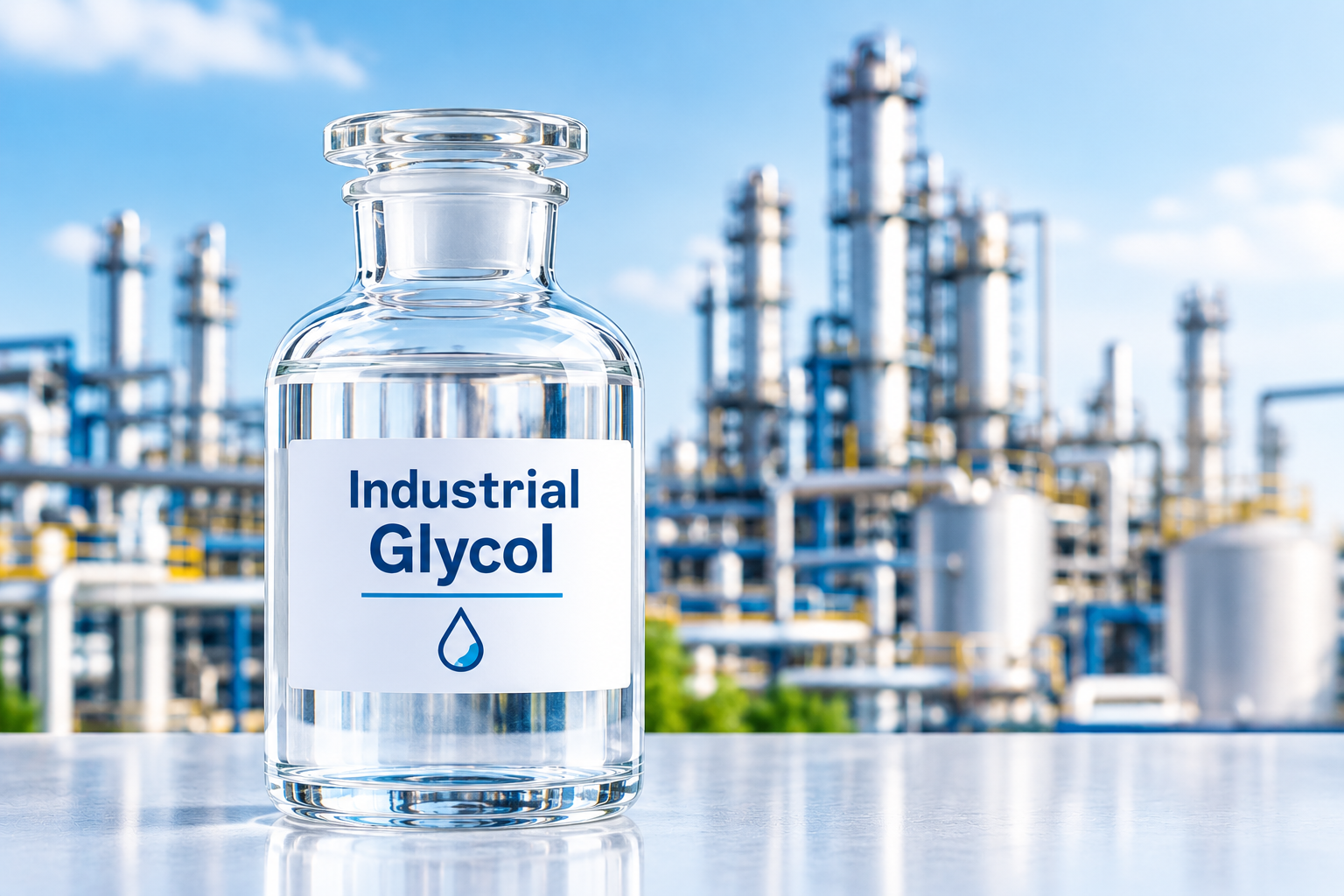
Glycols play an important role in modern chemical synthesis and industrial processing. These versatile chemical compounds are widely used in manufacturing, heat-transfer systems, solvents, resins, polyester production, and various other industrial applications. Their ability to absorb moisture, dissolve certain substances, and support chemical reactions makes them valuable raw materials across multiple industries.

Choosing a reliable glycol supplier is essential for businesses that depend on consistent product quality, reliable supply, and technical specifications. A trusted supplier helps manufacturers source suitable glycol grades for their production requirements while supporting efficient operations and quality control.

Millennium Lubricant Refinery LLC supports industrial customers by supplying glycol products for diverse chemical and manufacturing applications. Understanding the characteristics and uses of different glycols helps businesses select the right materials for their processes.
Understanding the Role of Glycols in Chemical Processing
Glycols are chemical compounds containing two or more hydroxyl groups, depending on their molecular structure. Different glycol types offer specific physical and chemical properties, making them suitable for different applications.
In industrial processing, glycols are used as chemical intermediates, solvents, heat-transfer fluids, and moisture-control agents. They can support the production of polyester resins, plasticizers, antifreeze formulations, and specialty chemicals.
Manufacturers must select glycol products based on their intended use, purity requirements, compatibility with other ingredients, and operating conditions. Working with an experienced glycol supplier helps simplify this selection process and supports consistent procurement.
Mono Ethylene Glycol (MEG) and Its Industrial Applications
Mono ethylene glycol (MEG) is a clear, colourless liquid widely used in polyester manufacturing, antifreeze formulations, and industrial cooling applications. Its chemical properties make it an important raw material in several large-scale manufacturing processes.
One of its major applications is the production of polyethylene terephthalate (PET), which is used in packaging materials, bottles, and polyester fibres. MEG reacts with other chemical compounds during manufacturing to help produce materials with the required characteristics.
MEG is also used in heat-transfer and cooling systems where suitable formulations are required to help manage temperature. In addition, it serves as a component in certain industrial chemical formulations.
When sourcing MEG, businesses should consider purity, water content, product specifications, and compatibility with the intended application. A dependable supplier can provide product information and documentation to help buyers evaluate whether the material meets their operational requirements.
Diethylene Glycol (DEG) in Chemical Synthesis
Diethylene glycol (DEG) is another important industrial glycol used in chemical synthesis and specialty manufacturing. It offers useful solvent properties and moisture-attracting characteristics, making it suitable for selected industrial formulations.
DEG is used in the manufacture of certain resins, plasticizers, and other chemical intermediates. It can also serve as a solvent or processing ingredient in applications where its properties meet the formulation requirements.
In some industrial operations, DEG is selected to support specific performance characteristics, including moisture retention and compatibility with other materials. Its suitability depends on the chemical formulation, process conditions, and applicable product specifications.
Businesses purchasing DEG should verify its grade, purity, and intended-use suitability before placing an order. Since glycol products are not interchangeable in every application, professional sourcing and accurate technical documentation are important for maintaining production quality.

Triethylene Glycol (TEG) for Moisture Control and Processing
Triethylene glycol (TEG) is widely recognised for its moisture-absorption properties and is particularly important in natural gas dehydration. In gas-processing facilities, TEG is used to remove water vapour from natural gas streams, helping meet moisture specifications and reduce the risk of operational problems associated with excess water.
TEG also has applications as a solvent and processing agent in selected industrial processes. Its relatively low volatility compared with some other glycols can make it useful in applications where controlled evaporation is desirable.
The performance of TEG in dehydration systems depends on factors such as glycol concentration, circulation rate, operating temperature, and system design. Maintaining product quality and monitoring the condition of the glycol are important for effective operation.
A reliable glycol supplier helps industrial buyers identify suitable TEG grades and obtain the product specifications needed for procurement and process evaluation.
How a Reliable Glycol Supplier Adds Value
Selecting the right supplier involves more than comparing prices. Industrial buyers need confidence in product consistency, documentation, packaging, and delivery arrangements.
A professional supplier can support purchasing decisions in several ways:
- Consistent product quality: Clear specifications help buyers assess whether a glycol meets their application requirements.
- Technical documentation: Product data sheets (TDS) and certificates of analysis (COA), where available, help verify relevant product characteristics.
- Product selection: Information about MEG, DEG, and TEG helps buyers distinguish between grades and identify suitable materials.
- Reliable supply planning: Coordinated ordering and delivery arrangements help businesses manage inventory and reduce the risk of production interruptions.
- Industrial sourcing support: Clear communication about quantity, packaging, specifications, and delivery requirements makes procurement more efficient.
These factors are especially important for manufacturers and processors that rely on glycols as essential raw materials.
Why Choose Millennium Lubricant Refinery LLC?
Millennium Lubricant Refinery LLC serves industrial customers seeking glycol products for chemical processing and manufacturing applications. Businesses evaluating a glycol supplier should consider product specifications, documentation availability, order requirements, and supply arrangements when choosing a sourcing partner.
By identifying the appropriate glycol grade and confirming the required technical parameters before purchase, industrial buyers can make informed procurement decisions. MEG, DEG, and TEG each offer different advantages, and selecting the correct product is essential for achieving the desired results.
Customers should communicate their intended application, required quantity, purity specifications, and delivery location to help establish suitable sourcing arrangements.
Conclusion
Glycols are essential materials in numerous industrial applications, from polyester manufacturing and chemical synthesis to natural gas dehydration and cooling systems. Mono ethylene glycol, diethylene glycol, and triethylene glycol each serve distinct purposes based on their chemical properties and performance characteristics.
Working with a dependable glycol supplier helps businesses source suitable products, review technical documentation, and plan their material requirements more effectively. Millennium Lubricant Refinery LLC supports industrial sourcing needs by helping customers identify glycol products appropriate for their applications.
For successful procurement, businesses should prioritise product quality, accurate specifications, reliable supply, and application suitability. These considerations help support efficient industrial processing and consistent manufacturing outcomes.