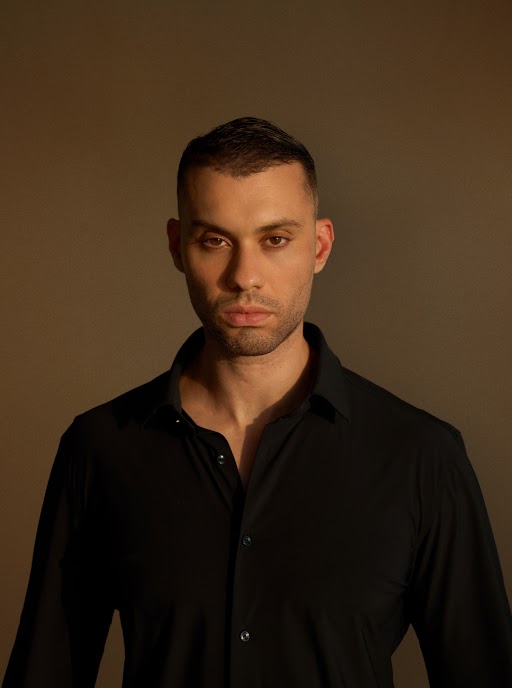
Search for any founder long enough and you’ll find a dozen versions of the same bio. The Mokhtar Jabli entrepreneur story is no different. He’s a Los Angeles based businessman and real estate investor, originally from Morocco, and according to his own website he moved to California in 2016. People call him MJ. He runs, or at least founded, a luxury rental and travel concierge company called The Nightfall Group.

That’s the headline. What I want to do here is dig a bit under it. Where did the idea come from, what does the business really do, and which parts of the story can you check yourself? Because honestly, some of it you can, and some you just have to take on faith.

The Humble Beginnings Everyone Mentions
Almost every profile of him opens the same way. He started with very little. Business Day Ghana ran a feature describing his path as one from the streets to a mansion, and the piece leans on a few lessons he shares, like how where you begin matters less than how hard you chase opportunity, and how important it is to find your purpose.
Now, rags to riches is a story people love. It’s also a story that gets polished with every retelling. I’m not saying it’s untrue. I’m saying founder origin stories deserve a little skepticism, the same as anyone’s. What stays consistent across interviews is the money struggle early on, and that he got turned down a lot. Plenty of people hear no when they pitch a big idea. The ones who keep going tend to be the ones we hear about later.
How The Nightfall Group Took Shape
The company grew out of rentals. From what he’s said in interviews, he started with apartments, then moved up to full homes, then luxury properties. Over time that turned into a business that offers high-end rentals plus concierge services around them, the extras wealthy travelers want. Airport transport, curated experiences, someone to handle the small headaches.
It’s based in Beverly Hills. That’s a smart place to plant a flag if you’re selling luxury, since clients expect the address to match the product. His site says the company ranked sixth on the Inc. 5000 list of fastest growing travel companies in the US in 2022. You can check that on Inc.’s own listings, and if you’re evaluating the business for any reason, you should. Don’t just trust a badge on a homepage.
Real Estate, Big Numbers and a Healthy Dose of Caution
Property sits under everything he does. One profile claims he built a portfolio of high-end rentals across Los Angeles and Miami worth more than a billion dollars in total property investment. Big claim. Maybe it’s accurate, maybe it’s rounded up generously, and without audited records or public filings it’s hard for an outsider to say.
My rule on this is simple. Treat self-reported portfolio numbers as marketing until you see a primary source. Property records, company registrations, lender statements if you’re a partner, those are real evidence. A flashy figure on an about page is not. That’s not a dig at him specifically, I’d say it about any investor, anywhere. Still, the general pattern he describes, working your way from small rentals to larger assets, is a very normal and believable route.
The Forbes Question
Now the part that sends a lot of people searching. Mokhtar Jabli Forbes comes up constantly, and the context matters a lot. Forbes lists him as a former Forbes Business Council member, and there are council posts under his name. Two I came across were about building and sustaining partnerships when starting a business, and about steps for building a real estate portfolio.

Here’s what readers should know. Council posts come from a membership program, with contributors writing their own pieces. That’s different from a story written and reported by Forbes staff journalists. One critical website goes further and says his Forbes presence is paid and self-submitted, which is their characterization. I’d say don’t take that site’s word either, just look at how the byline and council label appear on the Forbes pages themselves. You’ll see the distinction clearly.
Books, Credentials and Community Ties
There’s a bit more in his public profile. A book called Airbnb’s First Million is attributed to him, described as the story of how he made his first million. He’s also listed in a profile as part of the chairman’s circle at the Beverly Hills Chamber of Commerce, and as someone who works with local businesses.
On education, one profile says he earned an information technology bachelor’s degree at the International University of Rabat and a finance master’s at a school in Paris. Those details come from profile articles, not from a university record, so I’d call them reported rather than verified. I mention all this because credentials do shape how people judge a founder, and it’s fair to ask where each one comes from. Some are easy to confirm with a quick call or search. Others you just note and move on.
Moving Into Tech and AI Marketing
More recently, his website describes work around AI-powered marketing and digital growth systems for high-value brands. The pitch is mixing data, automation and smart positioning to get measurable results. It also mentions development and luxury hospitality as ongoing interests.
I think this is a logical step. If you’ve spent years competing for bookings online, you learn what gets attention and what wastes money. Turning that knowledge into a service for other brands makes sense on paper. But the public detail is thin. I couldn’t find much in the way of case studies or independent results, so if you were thinking about hiring or partnering on that side, ask for real examples. Names, numbers, outcomes. Not a slide deck full of buzzwords.
What Aspiring Founders Can Take From It
Strip away the hype, the praise, and the criticism, and there are some useful lessons. Start with something you can do now, even if it’s small. For him that was renting out space. Learn what customers keep asking for and build services around it, which in luxury travel means the concierge layer that lets you charge more.
His council writing leans on patience. The real estate post makes the point that building a portfolio takes time, and the partnership post stresses thinking through what each side wants before you work together. Boring advice? A bit. But I’ve seen deals fall apart because nobody talked about expectations upfront. Also, when you build a public profile, expect scrutiny. People will dig, and some will be harsh. That comes with visibility, and it’s smarter to keep your records clean from day one.
Conclusion
The Mokhtar Jabli entrepreneur story covers a lot of ground, from a tough start in Morocco and a move to California, to luxury rentals, real estate, a book, and now AI-driven marketing. Some pieces you can check, like the Inc. ranking and how his council posts are labeled. Others, like portfolio size and early struggles, rest on his word and on friendly coverage. My advice is simple. Read primary sources, be careful with big numbers, and take the practical lessons that apply to your own business. That’s the stuff that actually helps, and it doesn’t depend on anyone’s press.