Good vision plays an important role in everyday activities, from reading and working on a computer to driving and recognising faces. However, changes in eyesight can happen gradually, making them difficult to notice until they begin affecting daily life. A simple eye test at home can help you observe changes in your vision and identify signs that may require a professional eye examination.

Home vision screening is particularly useful for people who spend long hours looking at digital screens, older adults, students, and individuals who want to monitor their eyesight between routine check-ups. Although these checks can provide helpful information, they cannot replace a comprehensive eye examination by a qualified eye care professional.

With accessible eye care resources and guidance from services such as EyeSetu, people can become more aware of their visual health and take informed steps towards getting their eyes checked when needed.
What Is an Eye Test at Home?
An eye test at home is a basic vision screening performed independently using a printed eye chart, a digital vision test, or simple observations of how clearly you see everyday objects. It can help you notice possible differences in visual sharpness between your eyes or identify changes that deserve further attention.
However, a home screening cannot reliably diagnose eye diseases such as glaucoma, cataracts, or retinal disorders. Some eye conditions develop without noticeable symptoms, which is why regular professional eye examinations remain important even when your vision appears normal.
How to Perform an Eye Test at Home
You can carry out a basic vision screening by following a few simple steps. For the most useful results, choose a quiet, well-lit room and follow the instructions provided with the chart or testing tool.
1. Use a Standard Eye Chart
A Snellen eye chart is commonly used to assess distance vision. It contains rows of letters that gradually decrease in size.
To perform a basic check:
- Find a reliable, printable eye chart with clear instructions.
- Place the chart at the exact distance specified by its instructions.
- Ensure the chart is at eye level and evenly illuminated.
- Cover one eye gently without pressing on it.
- Read the letters from the top row downwards, noting the smallest row you can identify.
- Repeat the process with the other eye.
If you cannot read certain lines, notice a significant difference between your eyes, or experience persistent blurring, arrange an eye examination.
Important: Printed charts can produce misleading results if they are resized incorrectly or used at the wrong distance. Follow the chart’s specific instructions rather than assuming that every chart should be viewed from the same distance.
2. Check Each Eye Separately
Testing each eye independently is important because one eye may see less clearly than the other. When both eyes are open, the stronger eye can sometimes compensate for reduced vision in the weaker eye.
Cover one eye with your palm or an eye occluder and look at a familiar object, such as a wall clock or a line of text. Repeat with the other eye under the same conditions.
Pay attention to whether one eye experiences more blurring, difficulty recognising details, or unusual distortion. These observations are not a diagnosis, but they can help you explain your concerns during a professional consultation.
3. Assess Your Near Vision
Near vision is essential for reading books, using mobile phones, and completing detailed tasks. Changes in near vision may become more noticeable with age or when focusing on close objects for extended periods.
To check your near vision:
- Hold a book or phone at your usual reading distance.
- Use comfortable, consistent lighting.
- Test each eye separately while wearing your usual reading glasses, if applicable.
- Notice whether text appears blurry, distorted, or unusually difficult to focus on.
Avoid holding the text excessively close or repeatedly straining to make it clearer. Persistent difficulty with reading may indicate a need for updated glasses or a professional assessment.
4. Observe How You See Colours and Shapes
A simple home check can involve looking at coloured objects, patterns, and familiar shapes in natural or neutral lighting. Notice whether colours appear unusually different between your eyes or straight lines seem distorted.
These observations have limitations. Colour vision tests require appropriately designed materials, and everyday objects cannot reliably identify colour vision deficiencies. Similarly, distortion in straight lines may have several causes and should not be interpreted as a specific diagnosis.
If you notice a new or persistent change, seek advice from an eye care professional.
Common Signs That Your Eyes May Need Attention
An at-home vision check is not just about reading letters. Paying attention to changes in everyday visual comfort can also help you recognise when an examination may be necessary.
Blurred or Hazy Vision
Blurred vision may occur because of refractive errors, dry eyes, or other eye conditions. If blurring continues despite resting your eyes or affects normal activities, arrange a professional assessment.
Frequent Headaches or Eye Strain
Headaches after reading or using a computer can sometimes be associated with uncorrected vision problems or prolonged near work. However, headaches have many possible causes, so they should not automatically be attributed to eyesight.
Difficulty Seeing at Night
Trouble recognising objects in dim lighting, increased sensitivity to glare, or difficulty seeing while driving at night may warrant an eye examination. Avoid driving if your vision makes it unsafe.
Squinting or Holding Objects Closer
Repeatedly squinting, moving a phone closer to your face, or sitting unusually close to a screen may indicate that your vision has changed. These behaviours are useful observations, but they cannot determine the underlying cause.

How Often Should You Check Your Vision at Home?
There is no single home-screening schedule that is appropriate for everyone. You can repeat a basic check periodically or whenever you notice a change, but the frequency of professional eye examinations should depend on your age, medical history, symptoms, and eye care professional’s advice.
Consider the following general guidance:
- Children: Regular age-appropriate vision screening is important because some vision problems can affect learning and visual development. Children may not recognise or communicate that they have difficulty seeing.
- Adults: Monitor changes in vision and follow an appropriate schedule for comprehensive eye examinations.
- Older adults: Regular professional assessments are particularly important because the risk of several age-related eye conditions increases with age.
- People with diabetes or other relevant medical conditions: Follow the eye examination schedule recommended by your healthcare professional, even if your eyesight seems normal.
A home eye test should support professional care rather than become a reason to postpone it.
Can an Eye Test at Home Detect Eye Diseases?
A home vision screening cannot reliably detect or rule out most eye diseases. It primarily provides a basic indication of how clearly you can see under specific testing conditions.
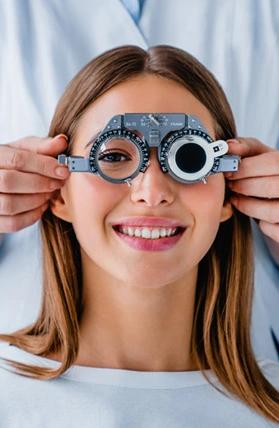
A comprehensive eye examination may include visual acuity testing, refraction, assessment of eye movements, examination of the front of the eye, eye pressure measurement when appropriate, and a retinal examination. The exact tests depend on your symptoms and individual risk factors.
Some conditions, including early glaucoma and diabetic retinopathy, may develop before noticeable changes in vision occur. Professional assessment is therefore important even when a home screening seems normal.
If you use EyeSetu to explore eye care information or screening options, remember that online resources are best used to support awareness and help you decide when to seek appropriate professional care.
When Should You Seek Immediate Eye Care?
Certain visual symptoms should never be managed through home testing alone. Sudden changes can sometimes indicate a time-sensitive eye emergency.
Seek urgent medical attention if you experience:
- Sudden loss or significant reduction of vision in one or both eyes.
- A sudden increase in floaters, flashes of light, or a shadow resembling a curtain across your vision.
- Severe eye pain, particularly with redness, blurred vision, nausea, or vomiting.
- A sudden onset of double vision or other significant visual changes.
- Eye injuries or exposure to potentially harmful chemicals.
Do not delay care to repeat a home test or wait for symptoms to improve. Sudden visual changes require prompt assessment, even if they are painless.
Tips for Maintaining Healthy Vision at Home
In addition to monitoring your eyesight, everyday habits can help support visual comfort and general eye health.
Follow Healthy Screen Habits
Extended screen use can contribute to eye fatigue, dryness, and discomfort. Try the following measures:
- Follow the 20-20-20 approach: approximately every 20 minutes, look at something around 20 feet away for 20 seconds.
- Blink regularly when working on a computer or mobile device.
- Adjust screen brightness to suit the surrounding light.
- Position screens at a comfortable distance and avoid excessive glare.
- Take regular breaks from prolonged near work.
These habits can help reduce digital eye strain, but they do not prevent every eye condition or replace eye examinations.
Maintain a Balanced Diet
A varied diet containing leafy green vegetables, colourful fruits, and other nutrient-rich foods supports overall health, including eye health. Nutrients such as vitamin A are important for normal vision, while other vitamins and minerals contribute to the healthy functioning of eye tissues.
Avoid taking high-dose supplements specifically for eyesight without professional advice. Supplements are not a substitute for a balanced diet or appropriate medical care.
Protect Your Eyes Outdoors
Wear sunglasses that provide adequate UVA and UVB protection when outdoors in bright sunlight. Use appropriate protective eyewear for activities involving dust, chemicals, tools, or flying particles.
If you wear contact lenses, follow the recommended hygiene, cleaning, and replacement instructions to reduce the risk of eye irritation and infection.
Frequently Asked Questions
1. Can I check my eyesight at home without visiting an eye doctor?
Yes, you can perform a basic vision screening at home using a correctly positioned eye chart or a suitable digital tool. However, these checks cannot provide a complete assessment of your eye health or reliably diagnose eye diseases.
2. How accurate is an eye test at home?
The accuracy of a home vision screening depends on the testing method, lighting, viewing distance, chart quality, and how carefully the instructions are followed. It can help identify possible changes in visual sharpness but cannot replace professional testing.
3. Can I test my eyesight using my mobile phone?
Some websites and applications offer visual acuity screening through a mobile phone. Their results may be affected by screen size, calibration, viewing distance, and environmental conditions, so they should be treated as preliminary information rather than a confirmed prescription or diagnosis.
4. Can a home eye test detect cataracts or glaucoma?
No, a home vision check cannot reliably detect or rule out cataracts, glaucoma, or other serious eye conditions. Some diseases cause few or no early symptoms, making professional eye examinations important.
5. When should I stop testing at home and consult an eye specialist?
Consult an eye care professional if you notice persistent blurring, differences between your eyes, recurring visual discomfort, or difficulty with reading or night vision. Sudden vision loss, new flashes with numerous floaters, a curtain-like shadow, or severe eye pain requires urgent medical attention.
Conclusion
An eye test at home can be a convenient first step towards understanding your vision and noticing changes that may need attention. Using a suitable eye chart, checking each eye separately, observing near and distance vision, and maintaining healthy daily habits can help you become more aware of your visual health.
However, home screening has clear limitations and should never replace a comprehensive eye examination. For additional eye care information and guidance on taking the next step towards appropriate vision screening, EyeSetu can be a useful starting point. If you notice persistent or sudden changes in your eyesight, seek professional care rather than relying on a home test alone.