A collision can leave more than dents and scratches behind. Even a seemingly minor impact may affect panels, alignment, structural components, paint, or hidden parts that become problems later. Working with Auto Body Collision Experts can help identify and correct this damage before it reduces your vehicle’s reliability. Proper repairs restore the vehicle’s condition, protect vulnerable areas from further deterioration, and can help extend its useful service life.

Why Collision Damage Can Shorten a Vehicle’s Life
A vehicle is designed to work as a connected system. Body panels, structural components, suspension parts, doors, lights, and safety systems all need to remain properly positioned after an accident.

When damaged components are left unrepaired, small issues can develop into larger ones. For example, a bent panel may expose metal to moisture, while a damaged bumper may no longer provide the protection it was designed to offer.
Hidden Damage Matters
Not every collision problem is visible immediately. A vehicle may look acceptable from the outside while having damage underneath the surface.
Professional inspections can help identify issues involving:
- Frame or structural components
- Suspension and steering parts
- Bumpers and impact-absorbing materials
- Door and hood alignment
- Lighting and electrical components
- Sensors and other safety-related systems
Finding these problems early can prevent additional wear and reduce the chance of more expensive repairs later.
How Professional Body Repairs Protect Vehicle Structure
The vehicle body provides more than appearance. Certain structural areas are designed to manage impact forces and maintain the passenger compartment during a collision.
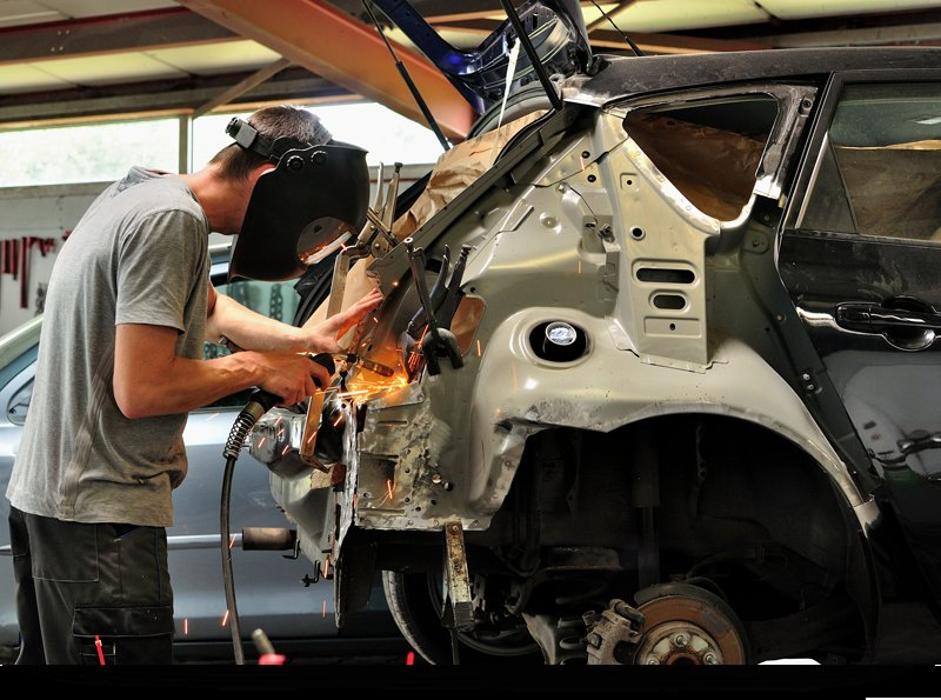
Proper Auto Body Collision repair focuses on returning damaged components as closely as possible to their intended position and condition. Depending on the accident, technicians may repair or replace damaged panels, structural components, supports, and other parts.
Restoring Proper Alignment
A collision can shift panels, doors, suspension components, or structural sections. Incorrect alignment can cause uneven tire wear, handling concerns, water leaks, and premature stress on surrounding components.
Correcting alignment helps the vehicle operate as intended. It also reduces unnecessary strain that could otherwise contribute to additional mechanical or body-related problems.
Preventing Rust and Corrosion After an Accident
Paint and protective coatings act as barriers between metal and moisture. When a collision damages those surfaces, exposed metal can become vulnerable to corrosion.
Rust may begin in a small damaged area and gradually spread beneath paint or surrounding panels. Once corrosion becomes extensive, repairs can become more complicated and costly.
Professional collision repairs can address damaged paint and exposed areas while restoring appropriate protective finishes. This helps protect the vehicle’s body from moisture and environmental exposure.
Why Paint Matching Is More Than Cosmetic
A quality paint repair does improve appearance, but it can also help restore the protective layer covering the repaired surface.
Technicians may prepare the affected area, repair underlying damage, apply suitable coatings, and blend the finish with surrounding panels. Proper preparation is important because simply covering damaged metal without addressing the underlying issue may allow deterioration to continue.
Protecting Mechanical Components From Secondary Damage
Body damage can sometimes affect components that are not traditionally considered part of the vehicle’s exterior. An impact near a wheel, for instance, may affect suspension or steering components.
Likewise, damage around the front or rear of a vehicle can affect cooling components, electrical connections, lights, sensors, or mounting points.
A comprehensive inspection helps determine whether the collision caused secondary damage. Repairing these issues early can prevent additional wear and help maintain dependable vehicle operation.
How Collision Repairs Preserve Vehicle Safety
Safety is one of the most important reasons to repair collision damage correctly. Modern vehicles may contain airbags, sensors, cameras, impact-absorbing structures, and other systems that work together during an accident.
If damaged components are improperly repaired or ignored, these systems may not perform as intended during another collision.
Checking Safety-Related Components
Depending on the vehicle and severity of the accident, technicians may need to inspect:
- Airbag-related components
- Seat belt systems
- Sensors and cameras
- Bumpers and reinforcement components
- Structural areas
- Exterior lighting
- Steering and suspension components
Restoring these areas helps maintain the vehicle’s intended safety characteristics and reduces the risk of leaving important damage unresolved.

The Financial Benefits of Timely Collision Repairs
Delaying repairs may seem like a way to save money, but untreated damage can sometimes become more expensive over time. Moisture intrusion, corrosion, misalignment, and secondary mechanical problems can all increase future repair requirements.
Timely repairs can help control these risks. Instead of allowing one damaged component to contribute to problems elsewhere, addressing the original damage gives the vehicle a better chance of remaining dependable.
| Collision Issue | Potential Long-Term Problem | Benefit of Timely Repair |
|---|---|---|
| Damaged paint | Rust and corrosion | Protects exposed metal |
| Misaligned panels | Water and air leaks | Restores proper fit |
| Structural damage | Reduced crash protection | Restores damaged areas |
| Suspension damage | Uneven tire wear | Supports proper handling |
| Damaged sensors | Safety-system issues | Helps restore system function |
| Cracked lighting | Reduced visibility | Restores safe illumination |
Maintaining Vehicle Value After a Collision
A vehicle that receives proper repairs is generally easier to maintain than one with unresolved collision damage. Exterior condition also influences how potential buyers perceive a vehicle when it is eventually sold or traded.
Keeping repair records can be useful as well. Documentation provides evidence of what was repaired and which components were replaced, giving future owners or buyers a clearer picture of the vehicle’s history.
Why Repair Quality Matters for Resale
A poorly repaired vehicle may show uneven panel gaps, mismatched paint, recurring electrical issues, or other signs of incomplete work. These problems can affect buyer confidence.
Quality repairs, accurate documentation, and regular maintenance can help preserve the vehicle’s condition after an accident.
When Should You Schedule Collision Repairs?
It is generally wise to arrange an inspection after any meaningful collision, even if the vehicle remains drivable. A car that starts and moves normally may still have hidden damage.
Look for warning signs such as:
- New vibrations while driving
- Uneven tire wear
- Pulling to one side
- Difficulty opening or closing doors
- Gaps between body panels
- Cracked lights or bumpers
- Warning lights on the dashboard
- Unusual sounds after the collision
These symptoms do not always prove that a particular component is damaged, but they are good reasons to have the vehicle professionally inspected.
Choosing the Right Collision Repair Approach
Not every accident requires the same repair process. The appropriate approach depends on the vehicle, impact location, severity of damage, materials involved, and condition of individual components.
Vehicle owners should look for a repair facility with trained technicians, appropriate equipment, and a process for inspecting both visible and hidden damage.
Ask Questions Before Authorizing Repairs
Before work begins, consider asking:
- What damage was identified during the inspection?
- Are there any hidden or structural concerns?
- Which parts will be repaired or replaced?
- How will alignment be checked?
- Will damaged paint or exposed metal receive proper protection?
- What documentation will be provided after the repair?
Clear answers can help you understand the work being performed and make informed maintenance decisions.
Regular Maintenance Still Matters After Repairs
Collision repair can restore damaged areas, but long-term vehicle reliability also depends on routine maintenance. Oil changes, tire rotations, brake inspections, fluid checks, and manufacturer-recommended services remain important.
After a collision repair, pay attention to changes in handling, tire wear, noises, or warning lights. Reporting unusual symptoms early can help prevent a small issue from developing into a larger problem.
Conclusion
A collision does not have to mark the end of a vehicle’s useful life. When damaged body panels, structural components, protective coatings, and related systems receive appropriate attention, owners can reduce the risk of secondary problems and preserve long-term reliability. Professional Auto Body Collision repairs can also support vehicle safety, appearance, and resale value. The key is not simply making the vehicle look normal again but addressing the underlying damage carefully. By arranging a thorough inspection, completing necessary repairs promptly, and continuing regular maintenance afterward, vehicle owners can give their cars a better opportunity to remain safe, dependable, and serviceable for many years.
FAQs
1. Can collision repairs really extend the lifespan of a vehicle?
Yes, proper collision repairs can help extend a vehicle’s lifespan by fixing damage that may lead to bigger problems over time. Repairing structural issues, damaged panels, alignment problems, and exposed areas helps maintain the vehicle’s safety and overall condition.
2. Why is it important to repair minor collision damage?
Minor collision damage can sometimes hide larger issues beneath the surface. Small dents, paint damage, or misaligned parts may allow moisture, rust, or additional wear to develop. Addressing these problems early can help prevent more costly repairs in the future.
3. How do Auto Body Collision repairs protect vehicle safety?
Auto Body Collision repairs help restore damaged safety components, structural areas, and impact-related parts. Professional repairs ensure that important systems, such as sensors, bumpers, and safety structures, can continue working as designed.
4. How can collision repairs improve a vehicle’s resale value?
A properly repaired vehicle often maintains better appearance, performance, and documentation history. Quality repairs can reduce concerns for future buyers and help preserve the vehicle’s market value compared to one with unresolved damage.
5. What should I check after completing collision repairs?
After repairs, monitor your vehicle for unusual signs such as vibrations, uneven tire wear, warning lights, strange noises, or difficulty with doors and panels. Regular maintenance and timely inspections can help keep the vehicle reliable for longer.