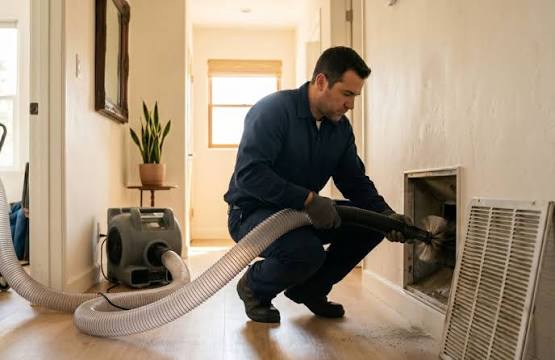
Dust on vents, a musty smell when the air conditioner works, or rooms that never seem to cool evenly can make homeowners wonder if the ductwork needs attention. Air ducts carry heated and cooled air through your home or building. Over time, dust, pet hair, pollen, and other debris can collect inside them. The decision to clean home air ducts should be based on the condition of the system, not on fear or a fixed calendar date. The U.S. Environmental Protection Agency (EPA) says duct cleaning is not needed on a routine schedule for every home, but it can be useful when ducts have heavy dust buildup, visible mold, pests, or debris. Here are five benefits you may notice of cleaning ducts at the right time. It also shows how to spot problems, avoid common mistakes, and decide when professional help makes sense.
Why Clean Home Air Ducts?
Air ducts are part of your heating, ventilation, and air conditioning (HVAC) system. They move air from the furnace or air handler to each room, then return air to the system. Ducts can collect dust, pet dander, pollen, insects, and other particles. This is normal, but heavy buildup can affect airflow and may spread odors through the building. The EPA notes that dirty ducts do not always mean the air in a home is unhealthy, so a careful inspection is important before scheduling cleaning.

5 Benefits of Regular Duct Cleaning
1. Better Airflow Throughout the Property
Dust, lint, construction debris, and pet hair can build up inside ducts and around vents. When airflow is restricted, some rooms may feel warmer or cooler than others.
Cleaning the duct system removes that buildup so air can move more freely. This can help the HVAC system deliver conditioned air more evenly to bedrooms, offices, living areas, and commercial spaces. NADCA notes that cleaning the HVAC system may help it run more efficiently by removing debris from sensitive mechanical parts.
Better airflow does not guarantee lower bills, but it can reduce strain on the system when ducts are truly clogged.
2. Fewer Unpleasant Odors
A musty or stale smell that gets stronger when the HVAC system turns on can point to debris, pests, or moisture inside the ductwork. Pet dander, dust, and other particles can also trap odors over time.
Cleaning ducts can remove the material causing the smell. However, odor removal only lasts if the cause is addressed. For example, a roof leak, condensation problem, or poor drainage must be repaired, or the smell may return. The EPA explains that mold and musty odors come from a moisture problem, so the moisture source must be corrected.
Read Also: Why Hiring HVAC System Cleaning Services Is Worth It
3. Support for Cleaner Indoor Air
Air ducts do not create dust, but they can hold and move particles through the building. When ducts contain heavy deposits of dust or debris, cleaning may reduce the amount of material that can circulate through supply vents.
This can be especially helpful in homes with pets, recent renovation work, or visible dust around registers. It may also matter in rental properties and commercial buildings where many people use the same HVAC system.
4. Less Strain on the HVAC System
When ducts, coils, blowers, or filters are blocked with debris, the system may need to work harder to move air. A system under strain can wear out faster and may struggle to keep the property comfortable.
NADCA explains that contaminants in a heating and cooling system can make it work harder and may shorten its life. A cleaner system does not have to work as hard to maintain the desired temperature.
Cleaning ducts will not fix a failing air conditioner, a refrigerant problem, or an undersized system. But removing blockages can be a sensible step when poor airflow is linked to buildup.
5. Early Discovery of Bigger HVAC Problems
A professional duct inspection can reveal issues that homeowners may not notice from the floor. These can include disconnected duct sections, crushed flexible ducts, pest nests, water damage, or mold growth.
Finding these problems early gives you time to plan repairs before they affect comfort or lead to larger HVAC work. For example, if insulation inside a duct becomes wet or moldy, the EPA says it cannot be cleaned effectively and should be removed and replaced.
When Duct Cleaning Makes Sense
The EPA does not recommend cleaning air ducts on a routine basis for every home. Instead, consider cleaning when there is a clear reason.

You may want an inspection or cleaning if:
- You see substantial mold growth inside hard metal ducts or on other HVAC components.
- Ducts are clogged with large amounts of dust or debris.
- You see insects, rodents, or other pest activity in the duct system.
- There is a persistent musty odor connected to the HVAC system.
- Rooms have weak airflow, and vents or filters show heavy buildup.
- The property had recent construction, remodeling, water damage, or pest problems.
If you are in Norcross and want to know whether your ducts need cleaning, MMI Home Improvement Pro provides HVAC cleaning in Norcross. A professional inspection can help you understand what is causing dust, odors, or uneven airflow before you decide on service.
How to Check Your Ducts Safely
You do not need to open sealed ductwork or crawl into tight spaces. Start with simple visual checks.
- Remove vent covers and look for heavy dust, hair, debris, or signs of pests.
- Check supply and return registers for dust rings, discoloration, or blocked airflow.
- Replace or clean the HVAC filter according to the manufacturer’s directions.
- Look for water stains, rust, damp insulation, or mold near vents and the indoor HVAC unit.
- Notice whether certain rooms stay uncomfortable even when the system is running properly.
Do not try to clean deep inside ducts with household vacuums or chemicals. Improper cleaning can push debris into living spaces or damage duct connections.
Factors That Affect Cost and Results
Duct cleaning prices vary, so it is best to request a written estimate based on your property. The final cost often depends on:
Factor Why it matters
| Size of the home or building | Larger properties usually have more ductwork, vents, and returns to service. |
| Number of HVAC systems | A home with two systems or a commercial building with several units takes more time. |
| Level of buildup | Heavy dust, pest debris, or mold requires more careful work. |
| Accessibility | Ducts in crawl spaces, attics, or tight commercial ceilings can be harder to reach. |
| Needed repairs | Damaged ducts, wet insulation, or moisture problems may require repair or replacement. |
| Cleaning method | A complete HVAC cleaning should include more than only the visible vents. |
Ask whether the quote includes the full HVAC system, not just the supply registers. NADCA notes that cleaning only part of the system can allow the rest of the system to recontaminate the cleaned areas. However, if you live in or near Gainesville, MMI Home Improvement Pro offers professional HVAC cleaning in Gainesville, GA. A local team can inspect your ducts, explain whether cleaning is needed, and provide a free estimate based on your property’s condition.
Common Mistakes to Avoid
Cleaning ducts without finding the cause
If mold, odors, or moisture are present, cleaning alone will not solve the problem. Find and repair leaks, condensation issues, drainage problems, or other moisture sources first.
Assuming every home needs yearly cleaning
There is no universal rule that every home needs duct cleaning every year. The EPA recommends cleaning as needed, based on inspection findings and specific conditions.
Hiring based only on the lowest price
Very low offers can sometimes lead to upsells or incomplete work. Ask what areas will be cleaned, what tools will be used, and whether the company will show you before-and-after conditions.
Ignoring filters and maintenance
Clean ducts will not stay clean if the HVAC filter is missing, damaged, or overdue for replacement. Follow the filter manufacturer’s guidance and have the HVAC system serviced as recommended.
Summary
Cleaning home air ducts can be a smart maintenance step when ducts have real buildup, odors, pests, or moisture-related problems. The biggest benefits are better airflow, fewer odors, less stress on the HVAC system, and early discovery of hidden issues.
Read aslo: Why Is Regular Drain Cleaning Important for Home Plumbing?