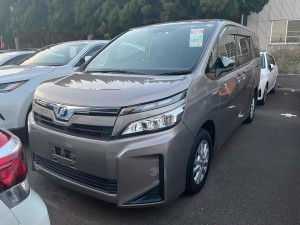
The automobile industry is undergoing one of the most transformative phases in its history. From the invention of the internal combustion engine to the rise of electric vehicles, every era has brought innovation that reshaped how we move. Today, the spotlight is firmly on autonomous vehicles (AVs)—self-driving cars that promise to redefine mobility, safety, and urban living. But the big question remains: Are we truly ready for self-driving cars?
The Promise of Autonomous Vehicles
Autonomous vehicles are designed to operate without human intervention, using a combination of sensors, cameras, radar, and artificial intelligence. The promise is compelling:
- Enhanced Safety: By eliminating human error, which accounts for nearly 90% of road accidents, AVs could drastically reduce fatalities.
- Efficiency: Self-driving cars can optimize routes, reduce traffic congestion, and improve fuel efficiency.
- Accessibility: AVs could provide mobility solutions for the elderly, differently-abled, and those unable to drive.
- Urban Transformation: Cities could redesign infrastructure, reduce parking needs, and create more pedestrian-friendly spaces.
For industries like Pune Realty, the rise of autonomous vehicles could influence how residential and commercial projects are planned. Imagine townships designed with fewer parking lots and more green spaces, thanks to shared fleets of self-driving cars.
Current State of Technology Levels of autonomy range from Level 0 (no automation) to Level 5 (full automation). Most commercially available cars today fall between Level 2 and Level 3, offering features like adaptive cruise control, lane-keeping assistance, and automated parking.
In India, the adoption of AVs faces unique challenges. Road infrastructure, unpredictable traffic behavior, and regulatory frameworks are hurdles that need addressing. However, the rapid growth of smart cities and IT hubs—especially in Pune—creates fertile ground for experimentation.
Challenges Ahead
Despite the promise, several challenges must be overcome before autonomous vehicles become mainstream:
- Infrastructure Readiness
Indian roads are diverse, ranging from expressways to narrow lanes. For AVs to function seamlessly, road markings, signage, and digital mapping need significant upgrades.
- Regulatory Framework
Governments worldwide are grappling with questions of liability, insurance, and safety standards. Who is responsible if an autonomous car causes an accident—the manufacturer, the software developer, or the passenger?
- Public Acceptance
Trust is a major factor. Many people are hesitant to relinquish control to machines, especially in high-stakes scenarios like driving. Building confidence through awareness and successful pilot programs is essential.
- Cost and Accessibility
Advanced sensors and AI systems make AVs expensive. Widespread adoption will depend on affordability and scalability.
- Cybersecurity Risks
As cars become connected devices, they are vulnerable to hacking. Ensuring robust cybersecurity is non-negotiable.
Global Progress
Countries like the United States, Germany, and Japan are leading the charge in autonomous vehicle research. Pilot projects in cities such as Phoenix (Waymo) and Tokyo have demonstrated the feasibility of AVs in controlled environments.
India, while still in the early stages, is witnessing interest from automobile giants and startups. Pune, often referred to as the “Detroit of India,” is home to several automotive research centers. This positions the city as a potential testing ground for AV technology.
Impact on Real Estate and Urban Planning
The ripple effects of autonomous vehicles extend beyond transportation. For Pune Realty and other real estate developers, AVs could reshape urban landscapes in profound ways:
- Reduced Parking Needs: With shared autonomous fleets, the demand for individual parking spaces may decline, freeing up land for parks, retail, or housing.
- Smarter Townships: Integrated AV-friendly infrastructure could become a selling point for modern residential projects.
- Enhanced Connectivity: AVs could improve access to suburban areas, making them more attractive for real estate investment.
- Sustainability: Reduced emissions and optimized traffic flow align with eco-friendly township designs.
Townships like Life Republic or Nyati Equinox in Pune could, in the future, integrate AV-compatible infrastructure, offering residents a futuristic lifestyle.
Are We Ready?
The readiness for autonomous vehicles is not a binary yes or no—it’s a spectrum. Technologically, we are progressing rapidly. Socially and infrastructurally, we are catching up.
For India, readiness will depend on:
Collaboration between automobile manufacturers, tech companies, and urban planners.
- Public awareness campaigns to build trust and acceptance.
for Self-Driving Cars?
The automobile industry is on the brink of a revolution. Autonomous vehicles (AVs), or self-driving cars, are no longer just a futuristic concept—they are being tested and refined across the globe. These vehicles promise safer roads, efficient traffic management, and a lifestyle shift that could reshape cities. But the question remains: Are we truly ready for self-driving cars?
The Promise of Self-Driving Cars
Autonomous vehicles rely on sensors, cameras, radar, and artificial intelligence to navigate roads without human intervention. The potential benefits are immense:
- Safety: Human error causes most accidents. AVs could drastically reduce fatalities.
- Efficiency: Optimized routes and reduced congestion could save time and fuel.
- Accessibility: Elderly and differently-abled individuals could enjoy greater mobility.
- Urban Transformation: Reduced need for parking could free up land for parks, housing, or retail.
For industries like Pune Realty, this shift could influence how residential and commercial projects are designed. Imagine townships with fewer parking lots and more green spaces, thanks to shared fleets of autonomous cars.
Challenges to Adoption
- Infrastructure: Indian roads often lack clear markings and consistent signage, making navigation difficult for AVs.
- Regulation: Governments must define liability, insurance, and safety standards.
- Public Trust: Many people hesitate to let machines take control in high-risk scenarios.
- Cost: Advanced technology makes AVs expensive, limiting accessibility.
- Cybersecurity: As connected devices, AVs are vulnerable to hacking.
Global and Local Progress
Countries like the US, Germany, and Japan are leading AV research, with pilot projects already running in controlled environments. . With its reputation as the “Detroit of India,” Pune could become a testing ground for AV technology.
Impact on Real Estate
The rise of AVs will ripple into urban planning. For Pune Realty and other developers, this means:
- Reduced parking requirements in housing projects.
- Smarter townships with AV-friendly infrastructure.
- Better connectivity to suburban areas, boosting real estate demand.
- Sustainable designs aligned with eco-friendly mobility.
The automobile industry is entering a new era with the rise of autonomous vehicles (AVs). These self-driving cars, powered by artificial intelligence, sensors, and advanced navigation systems, promise to revolutionize mobility. Yet, the question remains: Is society ready to embrace them fully?
Impact on Real Estate & Pune Realty
The Potential of Autonomous Vehicles
Self-driving cars offer several advantages that could reshape modern life:
- Safety First: Human error is the leading cause of accidents. AVs could drastically reduce fatalities by relying on precise algorithms and sensors.
- Efficiency Gains: Optimized routes and reduced congestion mean faster commutes and lower emissions.
- Accessibility: Elderly and differently-abled individuals could enjoy greater independence.
- Urban Transformation: With shared fleets of AVs, cities may require fewer parking spaces, opening land for parks, housing, or retail.
This transformation will ripple into industries like Pune Realty, where developers may design townships with fewer parking lots and more green zones, anticipating a future shaped by autonomous mobility.
Challenges on the Road Ahead
Infrastructure Limitations: Indian roads often lack clear markings and consistent signage, making navigation difficult for AVs.
- Regulatory Uncertainty: Governments must establish liability, insurance, and safety standards.
- Public Trust: Many people hesitate to let machines take control in high-risk scenarios.
- Cost Barriers: Advanced technology makes AVs expensive, limiting accessibility.
- Cybersecurity Risks: As connected devices, AVs are vulnerable to hacking, requiring robust safeguards.
Global Progress and India’s Role
Countries like the US, Germany, and Japan are leading AV research, with pilot projects already running in controlled environments. I. With its reputation as the “Detroit of India,” Pune could become a testing ground for AV technology, blending innovation with urban growth.
Impact on Real Estate
For Pune Realty and other developers, AVs could reshape urban planning:
- Reduced parking requirements in housing projects.
- Smarter townships with AV-friendly infrastructure.
- Better connectivity to suburban areas, boosting real estate demand.
- Sustainable designs aligned with eco-friendly mobility.
Conclusion
Autonomous vehicles represent the next frontier in mobility. For industries like Pune Realty, the rise of AVs offers opportunities to rethink urban design and create smarter, more sustainable communities.