Outdoor privacy is a growing priority for homeowners who want to enjoy their gardens, patios, and landscapes without unwanted visibility from neighbors or nearby streets. One of the most effective and visually appealing ways to achieve this is by planting privacy trees. Unlike traditional fences, living hedges provide year-round greenery, reduce noise, and enhance the overall landscape design.
What Are Privacy Trees?
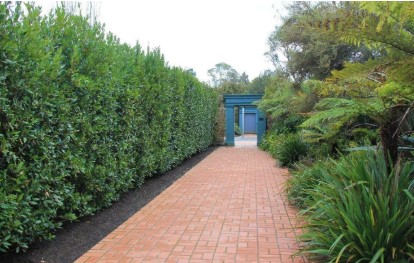
Privacy trees are closely planted trees or shrubs that form a dense, natural barrier. Over time, they block sightlines, creating a “living fence” that enhances outdoor privacy. Evergreen varieties are especially popular, offering year-round foliage, noise reduction, wind protection, and habitat for birds and beneficial wildlife.
Benefits of Creating a Natural Hedge
Planting privacy trees offers several advantages compared to installing fences or walls.
- Year-Round Coverage
Evergreen varieties such as arborvitae or cypress maintain their foliage throughout the seasons, providing continuous screening and greenery.
- Environmental Benefits
Trees improve air quality, reduce soil erosion, and contribute to biodiversity by providing shelter for birds and pollinators.
- Noise and Wind Reduction
Dense hedges can help dampen street noise and act as windbreaks, making outdoor areas more comfortable.
- Enhanced Landscape Appeal
Unlike fences, living hedges blend naturally into gardens and can increase the visual value of a property.
Popular Types of Privacy Trees for Hedges
Different tree species can be used to create natural hedges depending on climate, available space, and desired height.
Arborvitae
Arborvitae varieties such as Green Giant or Emerald Green are among the most widely used privacy hedges. They grow quickly and form tall, dense screens with evergreen foliage.
Leyland Cypress
This fast-growing evergreen is a popular option for large landscapes. Leyland cypress can grow up to three or four feet per year and eventually reach heights of 40–60 feet, making it ideal for tall privacy barriers.
Privet
Privet hedges are known for their adaptability and dense growth habit. They respond well to pruning and can be shaped into neat, formal hedges for structured landscapes.
Cherry Laurel
Laurel varieties are valued for their broad, glossy leaves and thick foliage. They create effective natural screens and can thrive in a variety of light conditions.
These species are commonly found in privacy hedge collections offered by specialty plant retailers, where they are selected for their fast growth and dense foliage.
How to Plant Privacy Trees for Maximum Coverage
Creating a successful hedge with privacy trees requires proper planning and care. Choose a variety suited to your climate and space. Fast-growing species provide quicker privacy, while slower ones allow easier maintenance. Plant trees evenly, about four to six feet apart, so branches merge into a dense, continuous screen. During early growth, water adequately and prune occasionally. Regular trimming encourages fuller foliage and maintains a uniform, attractive hedge, ensuring long-lasting privacy and a lush outdoor barrier.
Maintenance and Long-Term Care
Although privacy trees are relatively low-maintenance, they still need occasional care. Regular pruning helps maintain their shape and prevents overcrowding, especially for fast-growing varieties like Leyland cypress. Proper watering and good soil drainage are important during the early growth years. Mulching around the base helps retain moisture and control weeds, allowing young trees to develop strong roots. With proper care, a hedge of privacy trees can provide privacy and beauty for decades.
Conclusion
Using privacy trees to create a natural hedge is one of the most effective ways to enhance outdoor privacy while improving the visual appeal of a landscape. From fast-growing arborvitae to classic privet hedges and dense laurel varieties, these plants offer versatile solutions for forming living barriers that blend seamlessly into garden environments.
A thoughtfully designed hedge can provide shade, noise reduction, and a lush green backdrop for outdoor living spaces. When planning such a project, many homeowners begin by searching for a reliable nursery near me to find healthy plants and expert advice on selecting the right varieties for their climate and property layout. With proper planting and care, privacy trees can transform an ordinary yard into a secluded and inviting outdoor retreat.