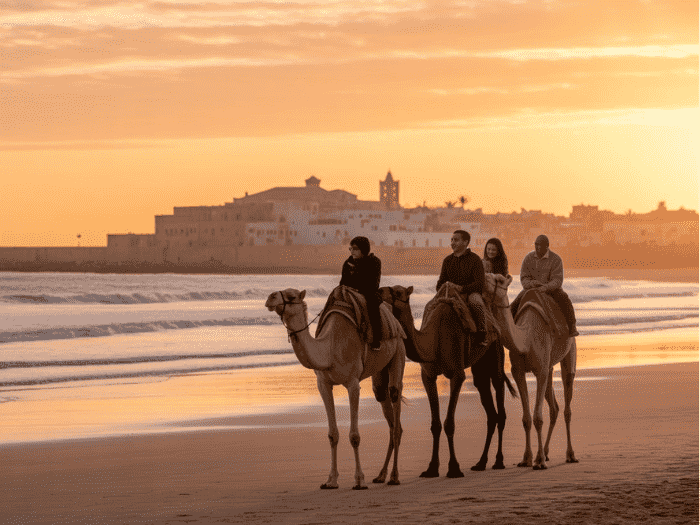
India offers an extraordinary variety of holiday experiences, from historic landmarks and bustling cities to tropical coastlines and tranquil beach retreats. Among its most appealing combinations for international travellers are Mumbai and Goa. Together, these destinations offer an opportunity to experience two very different sides of India: the cosmopolitan energy of a major metropolitan city and the relaxed atmosphere of a beautiful coastal state.
Mumbai introduces visitors to India’s architectural heritage, vibrant food culture, colonial-era landmarks and sophisticated hospitality. Goa, meanwhile, offers golden beaches, Portuguese-influenced architecture, traditional fishing villages, exceptional seafood and luxurious coastal resorts.

For travellers planning Luxury India Holidays, combining these destinations creates a rewarding balance of cultural exploration and relaxation. Whether you are travelling as a couple, planning a special celebration or organising a tailor-made journey, a Mumbai and Goa holiday can be adapted to your interests, preferred pace and accommodation style.
As a UK based travel company, Indian Odyssey helps travellers plan personalised journeys across India, combining carefully selected accommodation, private experiences and comfortable travel arrangements.
Why Mumbai and Goa Make a Perfect Combination for Luxury India Holidays
Mumbai and Goa complement each other particularly well because they offer contrasting experiences without requiring travellers to explore entirely different regions of the country.
Mumbai is India’s financial and entertainment capital, known for its impressive skyline, historic buildings, art galleries, bustling markets and diverse culinary scene. Its streets reveal layers of history, from colonial architecture and traditional neighbourhoods to contemporary restaurants and modern cultural spaces.
Goa provides a different atmosphere. Located along the Arabian Sea, it is celebrated for its palm-lined beaches, scenic coastal landscapes, historic churches and distinctive regional cuisine. Its Portuguese heritage remains visible in colourful houses, old churches and traditional neighbourhoods.
Combining both destinations allows visitors to experience:
- Culture and history: Explore Mumbai’s heritage landmarks and Goa’s Portuguese-influenced architecture.
- Luxury accommodation: Enjoy sophisticated city hotels followed by premium beachfront resorts.
- Exceptional cuisine: Experience Mumbai’s diverse food scene and Goa’s traditional seafood specialities.
- Coastal relaxation: Spend time on quieter beaches, enjoy sunset views and experience the Arabian Sea coastline.
- Personalised experiences: Arrange private sightseeing, guided heritage walks, culinary experiences and comfortable transfers.
For couples and independent travellers, this combination offers flexibility. Some may prefer spending more time exploring Mumbai, while others may want an extended stay in Goa. A tailor-made luxury tour of India can accommodate both preferences.
Best Places to Visit in Mumbai
A city of colonial architecture, coastal scenery, historic neighbourhoods and contemporary Indian culture.
Mumbai is an excellent starting point for a luxury India tour, particularly for visitors interested in architecture, history, shopping and Indian cuisine. The city rewards travellers who take time to explore beyond its famous landmarks.
1. Gateway of India
The Gateway of India is one of Mumbai’s most recognisable monuments. Built in the Indo-Saracenic architectural style and completed in 1924, the waterfront arch commemorates the 1911 visit of King George V and Queen Mary.
Overlooking the Arabian Sea, it provides an impressive introduction to the city’s colonial history. Visitors can admire the monument, enjoy views of the harbour and combine their visit with a walk around nearby Colaba.
2. Marine Drive
Known as the Queen’s Necklace, Marine Drive is a beautiful coastal promenade stretching along the Arabian Sea.
It is particularly attractive during the evening when the streetlights illuminate the curved waterfront. A leisurely walk offers a welcome contrast to Mumbai’s busy streets, while nearby Art Deco buildings add architectural interest.
For a more relaxed experience, visitors can enjoy the sea views from a nearby restaurant or arrange a private city tour that includes the waterfront.
3. Elephanta Caves
The Elephanta Caves are an important historical attraction located on an island in Mumbai Harbour.
The caves are renowned for their remarkable rock-cut sculptures and religious artwork, particularly the famous representation of Shiva. Reaching the island involves a ferry journey from the Gateway of India, taking approximately an hour.
For travellers interested in Indian history, architecture and religious traditions, the excursion provides a memorable cultural experience. Comfortable footwear is recommended because reaching the caves involves walking uphill and climbing steps. The caves are generally closed on Mondays, so check access arrangements before visiting.
4. Colaba Causeway
Colaba Causeway is a lively shopping street in South Mumbai, popular for its shops, souvenirs, fashion accessories and cafés.
It is an excellent place to experience everyday city life while browsing local products and enjoying the neighbourhood’s historic atmosphere. Its proximity to the Gateway of India makes it easy to include in a half-day Mumbai sightseeing tour.
5. Chhatrapati Shivaji Maharaj Terminus
The Chhatrapati Shivaji Maharaj Terminus is a UNESCO World Heritage Site and one of the finest examples of Victorian Gothic Revival architecture in India.
Completed in 1887, the station combines European architectural influences with traditional Indian design elements. Its detailed stonework, domes, carvings and grand façade make it an important stop for architecture enthusiasts.
Although it remains a working railway station, visitors can appreciate its impressive exterior and surrounding heritage district.
6. Bandra
Bandra offers a different perspective on Mumbai, with its stylish cafés, restaurants, independent boutiques, waterfront areas and historic churches.
The neighbourhood is particularly appealing to visitors who enjoy contemporary urban culture. A walk through its older streets can reveal traditional Portuguese-influenced houses alongside modern residential buildings.
The Bandra-Worli Sea Link is another striking feature of this part of the city, offering impressive views of Mumbai’s coastal development.
7. Mumbai’s Food and Cultural Experiences
Mumbai’s culinary identity reflects the many communities that have shaped the city. Visitors can enjoy traditional Maharashtrian food, Parsi specialities, coastal seafood, Indian street snacks and international fine dining.
Some experiences worth including are:
- Trying vada pav, a popular potato-filled bread roll.
- Enjoying pav bhaji, a spiced vegetable preparation served with bread.
- Sampling bhel puri and other traditional street snacks.
- Exploring Mumbai’s historic markets.
- Enjoying a guided food walk with a knowledgeable local guide.
- Experiencing the city’s contemporary restaurants and fine-dining establishments.
A private culinary tour can help international visitors experience the city’s food culture while choosing suitable venues according to their dietary preferences.
Best Places to Visit in Goa
Goa is much more than a beach destination. Its identity has been shaped by centuries of maritime trade, Portuguese influence, local traditions and a distinctive coastal lifestyle.
The state offers everything from lively beach destinations and luxury resorts to peaceful villages, historic churches and scenic countryside.
North Goa: Beaches, Markets and Coastal Entertainment
North Goa is particularly suitable for travellers who enjoy a lively atmosphere, beach restaurants, shopping and nightlife.
Baga Beach: One of Goa’s best-known beaches, Baga is popular for beachside restaurants, water activities and evening entertainment. It is a suitable choice for visitors who enjoy an energetic coastal environment.
Anjuna Beach: Known for its rocky coastline, relaxed atmosphere and market culture, Anjuna appeals to travellers interested in independent shops, cafés and beach experiences.
Vagator Beach: Vagator is known for its dramatic coastal scenery, rocky headlands and beautiful sea views. It is an attractive location for sunset photography and relaxed afternoons.
Candolim and Sinquerim: These beaches offer a more measured atmosphere compared with some of North Goa’s busiest stretches. Their proximity to Fort Aguada also makes them suitable for combining coastal relaxation with historical sightseeing.
North Goa is a good choice for visitors seeking a combination of luxury resorts, restaurants, beach clubs and cultural excursions.
South Goa: Peaceful Beaches and Luxury Coastal Escapes
South Goa is particularly appealing to travellers who prefer quieter surroundings, scenic landscapes and a slower holiday pace.
Palolem Beach: Palolem Beach is known for its beautiful crescent-shaped bay, white sand and palm-lined coastline. It offers a picturesque setting for beach walks, boat excursions and relaxing by the sea.
Agonda Beach: Agonda Beach is an attractive option for visitors seeking a quieter coastal environment. Its long sandy shoreline and surrounding greenery create a peaceful setting for a relaxing holiday. Swimming conditions can be challenging, so visitors should follow local safety advice.
Cavelossim and Mobor: These coastal areas are known for their attractive stretches of sand, resort accommodation and opportunities to enjoy a more relaxed beach holiday.
For couples and luxury holidaymakers, South Goa can be particularly rewarding. Premium resorts, private villas, wellness facilities and personalised dining experiences make it possible to enjoy a comfortable coastal escape away from busier tourist areas.
Cultural Goa: Portuguese Heritage and Historic Architecture
Goa’s cultural attractions provide an important insight into its historical development.
Old Goa: Once an important centre of Portuguese colonial administration, Old Goa is home to remarkable religious architecture. The Basilica of Bom Jesus and Se Cathedral are among its most significant historic churches.
Fontainhas Latin Quarter: Located in Panaji, Fontainhas is known for its colourful houses, traditional balconies, narrow streets and Portuguese-influenced architecture. It is an excellent area for a guided heritage walk and photography.
Fort Aguada: Overlooking the Arabian Sea, Fort Aguada offers a glimpse into Goa’s maritime and military history. Its coastal setting also makes it an appealing place to enjoy panoramic views.
Local villages: Exploring traditional Goan villages allows visitors to experience regional architecture, local markets, community traditions and a slower way of life.
These cultural experiences make Goa especially interesting for travellers who want more than a conventional beach holiday.
Luxury Experiences in Mumbai and Goa
Luxury travel is not simply about staying in expensive hotels. It is about enjoying a holiday that feels comfortable, thoughtfully organised and suited to individual interests.
Mumbai and Goa offer a variety of experiences that can be incorporated into personalised India travel packages.
Premium Hotels and Boutique Accommodation
Mumbai has a range of luxury city hotels offering sophisticated rooms, quality restaurants, spa facilities and convenient access to major attractions.
In Goa, visitors can choose from beachfront resorts, private villas, boutique heritage properties and wellness retreats. The right accommodation depends on whether travellers prefer a lively beach setting or a more secluded coastal location.
Private Sightseeing Experiences
Private guided tours provide an opportunity to explore destinations at a comfortable pace.
In Mumbai, a knowledgeable guide can introduce visitors to the city’s colonial history, architecture, food culture and traditional neighbourhoods.
In Goa, guided experiences can include Old Goa’s historic churches, Fontainhas, local markets and traditional villages.
Exclusive Culinary Experiences
Food can become a central part of a luxury holiday. Travellers can enjoy carefully selected restaurants, private dining arrangements and regional cooking experiences.
A personalised culinary itinerary can include traditional Goan dishes, coastal seafood, Maharashtrian specialities and contemporary Indian cuisine.
Luxury Beach Resorts and Private Villas
Goa is an excellent destination for luxury beach holidays in India. Private villas and premium resorts can provide privacy, personalised hospitality and easy access to the coastline.
Depending on the property, guests may enjoy private pools, spa treatments, beach access, tailored dining and organised excursions.
Wellness and Spa Retreats
A luxury coastal escape can also include yoga sessions, Ayurvedic-inspired wellness experiences, relaxing spa treatments and time away from busy sightseeing schedules.
These experiences are particularly suitable for couples and travellers who want to combine cultural exploration with rest and rejuvenation.
Comfortable Private Transfers
Private transfers can make travelling between airports, hotels and attractions considerably more convenient.
For international visitors unfamiliar with Indian roads and local transport arrangements, having transport organised in advance can reduce unnecessary travel stress.
Food and Culinary Experiences in Mumbai and Goa
Indian cuisine is an essential part of the travel experience, and Mumbai and Goa offer two distinctive culinary identities.
Mumbai’s Diverse Food Culture
Mumbai’s food scene reflects its multicultural population and long trading history.
Visitors can enjoy:
- Vada pav and pav bhaji.
- Maharashtrian thalis.
- Parsi dishes such as dhansak.
- Traditional coastal seafood.
- Indian sweets and local desserts.
- Contemporary Indian and international fine dining.
A guided food experience is a good way to understand the ingredients, preparation methods and cultural influences behind the city’s popular dishes.
Goan Seafood and Regional Cuisine
Goan cuisine combines local Konkani traditions with Portuguese influences.
Some regional specialities include:
- Goan fish curry with rice.
- Prawn balchão.
- Chicken cafreal.
- Xacuti, a richly spiced preparation.
- Bebinca, a traditional layered dessert.
- Local breads and coconut-based dishes.
Fresh seafood is widely associated with Goa, although vegetarian specialities are also an important part of its food culture.
Visitors can enjoy regional cuisine at traditional restaurants, carefully selected beachside establishments or through private cooking experiences.
Dietary Requirements and Food Hygiene
Travellers with dietary requirements should communicate their needs clearly when arranging meals. Vegetarian and vegan food is widely available, although ingredients and preparation methods can vary.
Indian food can contain considerable chilli and spice, but many restaurants can prepare milder versions on request.
For food hygiene, choose reputable establishments, eat freshly prepared meals and drink sealed bottled or properly filtered water. Travellers with allergies should explain them clearly rather than relying on assumptions about ingredients.
Beaches, Adventure and Outdoor Activities in Goa
Goa’s coastline provides opportunities for both relaxation and outdoor adventure.
Beach Relaxation
Travellers can spend their days enjoying the sand, reading by the sea, walking along the coastline or relaxing at a beachfront resort.
South Goa is particularly attractive for quieter beach experiences, while North Goa offers more restaurants and entertainment options.
Scuba Diving and Snorkelling
Some coastal operators offer diving and snorkelling excursions, depending on sea conditions and seasonal availability.
Beginners should choose reputable, properly equipped operators and follow the instructions of qualified professionals.
Parasailing and Water Sports
Parasailing, kayaking, sailing and other water-based activities are available at selected locations and during suitable weather conditions.

Availability varies throughout the year, so activities should be confirmed locally before making plans.
Goa Nightlife
North Goa is particularly well known for its nightlife, beach clubs, live music venues and evening entertainment.
Visitors who prefer a quieter atmosphere can enjoy sunset dining, private dinners and relaxed evenings at their accommodation.
Yoga and Wellness Retreats
Goa is also suitable for travellers interested in yoga, meditation and wellness programmes. These can provide a peaceful balance to the more active parts of an India holiday.
Important safety consideration: Sea conditions change seasonally. During the monsoon, swimming can be prohibited or dangerous because of strong currents and rough seas. Always follow beach warning signs and lifeguard instructions, and use authorised operators for water sports.
Best Time to Visit Mumbai and Goa
Choosing the right travel period is important when planning a Mumbai and Goa holiday. Both destinations experience tropical weather, but their seasonal conditions influence sightseeing, beach activities and accommodation choices.
October to February: The Most Popular Travel Season
Best overall travel period
This is generally the most attractive period for combining Mumbai sightseeing with Goa beach holidays.
Goa usually experiences clearer skies and more comfortable beach conditions during these months. Mumbai is also more suitable for outdoor sightseeing than during the hotter summer period.
December and January are particularly popular in Goa, especially around Christmas and New Year. Luxury accommodation and flights can become more expensive during peak dates, so advance planning is advisable.
March to May: Hotter Weather
Summer brings higher temperatures and humidity to both destinations.
Goa can experience daytime temperatures above 33°C in May. Travellers visiting during this period may prefer early-morning sightseeing, afternoons by the swimming pool and indoor cultural activities.
This season may suit visitors who prefer fewer peak-season crowds, provided they are comfortable with the heat.
June to September: Monsoon Season
The monsoon transforms Goa’s countryside, creating lush green landscapes, flowing waterfalls and a different atmosphere from the dry season.
However, heavy rainfall and rough sea conditions can affect beach activities, water sports and transport.
Mumbai also receives substantial monsoon rainfall, which can influence outdoor sightseeing and road journeys.
This period may appeal to travellers interested in greenery, nature and a quieter holiday, but it is not the best choice for a traditional beach-focused itinerary.
For most international visitors planning a combination of city exploration and coastal relaxation, October to February is the most practical starting point.
How to Travel from Mumbai to Goa
The journey between Mumbai and Goa is an important part of planning your holiday. Travellers can choose between flights, trains and private road transfers, depending on their available time and preferred travel experience.
1. Mumbai to Goa Flights
Flying is generally the most convenient option for travellers who want to maximise their holiday time.
Domestic flights operate between Mumbai and Goa, serving both:
- Goa International Airport (Dabolim) (GOI).
- Manohar International Airport (GOX).
The airport you choose should depend on your hotel location. Dabolim can be convenient for some South Goa properties, while Manohar International Airport may be more suitable for North Goa.
Direct flights are available on this route, although schedules and availability vary by date.
2. Mumbai to Goa Train Journey
The Konkan Railway offers a scenic alternative for travellers who enjoy railway journeys.
The route passes through beautiful coastal landscapes, green countryside, bridges and tunnels. It provides a different perspective on western India and can be an enjoyable experience for visitors with additional time.
Several trains connect Mumbai with Goa, but journey durations and departure times vary. Check the current railway timetable before booking.
3. Private Road Transfers
A private road journey can be considered by travellers who prefer flexibility and wish to explore places along the way.
However, the journey can take considerably longer than flying, depending on traffic, road conditions and the chosen route.
For most luxury holidays of seven to ten days, flying is generally the most practical option. The train is an attractive alternative for travellers who enjoy scenic rail travel.
Where to Stay in Mumbai and Goa
Accommodation plays an important role in creating a comfortable luxury holiday. Both destinations offer a range of properties, from internationally recognised hotels to boutique accommodation and private retreats.
Where to Stay in Mumbai
Mumbai offers several accommodation styles suitable for international visitors.
Luxury city hotels: These properties are suitable for travellers who want sophisticated facilities, restaurants, spas and convenient access to major attractions.
Sea-facing properties: Hotels overlooking the Arabian Sea offer beautiful coastal views, particularly around Marine Drive and South Mumbai.
Boutique accommodation: Smaller properties can provide a more intimate experience for visitors interested in historic neighbourhoods and individual hospitality.
When choosing Mumbai accommodation, consider its location relative to your sightseeing plans, as traffic can significantly affect journey times.
Where to Stay in Goa
Goa offers a wider range of accommodation styles, making it possible to tailor your stay according to your preferred atmosphere.
Luxury beachfront resorts: Ideal for travellers who want direct or convenient beach access, premium dining, spa facilities and personalised hospitality.
Private villas: Suitable for couples, families and small groups seeking greater privacy, individual service and flexible arrangements.
Boutique heritage properties: These provide an opportunity to experience Goa’s traditional architecture and regional character.
Wellness retreats: Suitable for travellers interested in yoga, relaxation and wellness experiences.
North Goa or South Goa? Choose North Goa if you prefer restaurants, nightlife and a lively atmosphere. South Goa is generally better suited to travellers seeking peaceful surroundings, quieter beaches and a slower pace.
For a luxury India tour, combining a well-located Mumbai hotel with a carefully selected Goa beach resort can create a particularly comfortable holiday.
Suggested Mumbai and Goa Itinerary for 7–10 Days
A well-planned Mumbai and Goa itinerary should balance cultural exploration, sightseeing, culinary experiences and relaxation.
The following itinerary provides a practical starting point for international visitors.
7–10 day Mumbai and Goa itinerary
Suggested route: Mumbai → Goa
- Days 1–2: Mumbai – City introduction and heritage
- Arrive in Mumbai and transfer to your hotel.
- Visit the Gateway of India and Colaba.
- Enjoy a guided heritage walk.
- Explore Marine Drive and enjoy an evening meal.
- Day 3: Mumbai – Culture and cuisine
- Take an excursion to Elephanta Caves, subject to opening arrangements.
- Explore the city’s historic architecture.
- Enjoy a guided food experience or a fine-dining evening.
- Day 4: Mumbai to Goa – Coastal arrival
- Take a direct flight to Goa.
- Transfer to your selected resort or private villa.
- Enjoy the property and relax by the beach.
- Day 5: North Goa – Beaches and coastal scenery
Explore selected beaches such as Candolim and Vagator.- Visit Fort Aguada.
- Enjoy a relaxed sunset dining experience.
- Day 6: Cultural Goa – Heritage and architecture
- Visit Old Goa’s historic churches.
- Enjoy a guided walk through Fontainhas.
- Experience traditional Goan cuisine.
- Day 7: South Goa – Beach relaxation
- Explore Palolem or Agonda.
- Enjoy a relaxed beach day.
- Return to your accommodation for an evening at leisure.
- Days 8–9: Optional luxury experiences
- Enjoy spa treatments and wellness experiences.
- Arrange a private culinary experience.
- Explore local markets or a traditional village.
- Day 10: Departure
Enjoy breakfast before your private transfer to the airport for your onward journey.
For a seven-day holiday, combine the first three Mumbai days into two days and enjoy four to five days in Goa. For ten days, the additional time allows for a slower, more comfortable experience.
Travellers with more time can extend their journey by adding Rajasthan, Kerala or another Indian destination. This can turn a Mumbai and Goa holiday into a broader luxury India travel experience.
Practical Travel Tips for Western Visitors
Planning ahead can make a significant difference to your experience, particularly if this is your first visit to India.
1. Visa and Entry Requirements
Most foreign visitors require a valid visa to enter India. Eligible nationalities may apply through the official Indian e-Visa system.
UK passport holders should check the latest visa conditions, eligibility and entry requirements before travelling.
Foreign nationals must also complete the required online e-arrival card within 72 hours before arrival, according to current government guidance. This is separate from the visa application.
2. Currency and Payments
India’s currency is the Indian rupee (INR). International visitors should carry a reasonable amount of cash for smaller purchases, while credit and debit cards are accepted at many established hotels, restaurants and businesses.
Inform your bank about international travel and check foreign transaction charges before departure.
3. Mobile Connectivity
International travellers can arrange an Indian SIM or eSIM, subject to applicable identification and registration requirements.
Reliable mobile connectivity is helpful for navigation, communication and coordinating transport.
4. Local Transport and Private Transfers
Mumbai’s traffic can be busy, particularly during peak commuting hours. Pre-arranged private transport is often a comfortable option for airport transfers and sightseeing.
In Goa, private cars and taxis are useful for exploring different beaches, villages and cultural attractions.
5. Food and Drinking Water
Choose reputable restaurants and freshly prepared meals. Drink sealed bottled or appropriately filtered water, and exercise care with ice and raw foods where hygiene is uncertain.
Travellers with dietary restrictions should communicate their requirements when arranging meals.
6. Personal and Beach Safety
Keep valuables secure, use reputable transport providers and be aware of your surroundings in busy public areas.
At beaches, follow lifeguard advice and local warning flags. Avoid swimming during dangerous sea conditions, particularly during the monsoon.
7. Cultural Etiquette
India is culturally diverse, and visitors should respect local customs.
When visiting temples and churches, dress appropriately, follow photography restrictions and remove footwear wherever required.
A polite greeting, respectful behaviour and sensitivity towards religious traditions can make interactions with local communities more rewarding.
8. Travel Insurance
Comprehensive travel insurance is advisable. Check that your policy covers medical emergencies, cancellations, baggage and any planned adventure activities.
UK visitors should also consult the latest Foreign, Commonwealth & Development Office travel advice before departure.
9. What to Pack
Lightweight, breathable clothing is useful for the warmer months. Comfortable walking shoes are important for city sightseeing and heritage attractions.
Pack sun protection, insect repellent, any necessary medication and suitable clothing for religious sites. A light rain jacket or umbrella is useful during the monsoon.
10. Responsible Tourism
Respect local traditions, avoid littering and support businesses that treat their employees fairly and operate responsibly.
Choose licensed water-sports operators, respect wildlife and avoid activities that exploit animals or damage natural habitats.
Is Mumbai and Goa the Right Combination for Your India Holiday?
Mumbai and Goa offer an appealing combination for travellers who want to experience India’s cultural diversity alongside a relaxing coastal escape.
The destinations are particularly suitable for:
- Couples: Combine romantic city experiences, fine dining and private beach accommodation.
- First-time visitors: Experience India’s metropolitan culture before enjoying a more relaxed coastal destination.
- Luxury holidaymakers: Combine premium city hotels, boutique properties and luxury beach resorts.
- Culture enthusiasts: Explore historic landmarks, colonial architecture, museums and Portuguese-influenced heritage.
- Food lovers: Experience regional cuisine, seafood specialities and culinary traditions.
- Independent travellers: Enjoy flexible sightseeing and the freedom to tailor each part of the journey.
The ideal itinerary depends on your available time, budget and interests. Some visitors may prefer a short city stay followed by an extended beach holiday, while others may want to dedicate more time to cultural experiences.
A personalised itinerary helps ensure that both destinations contribute something meaningful to the overall journey.
6. Frequently Asked Questions
1. Is Mumbai and Goa a good combination for a holiday in India?
Yes. Mumbai offers historic architecture, cultural attractions, shopping and exceptional food experiences, while Goa provides beautiful beaches, luxury resorts and a relaxed coastal atmosphere. Together, they create a balanced holiday combining sightseeing and relaxation.
2. How many days are enough to explore Mumbai and Goa?
Seven to ten days is a good starting point. Spending two to three days in Mumbai and four to seven days in Goa allows visitors to enjoy the major attractions without rushing. Travellers with additional time can explore more of Goa’s heritage and coastline.
3. What is the best time to visit Mumbai and Goa?
October to February is generally the most suitable period for visiting both destinations. The weather is usually more comfortable for Mumbai sightseeing and Goa beach activities. December and January are particularly popular in Goa.
4. How can I travel from Mumbai to Goa?
Travellers can choose between direct domestic flights, trains along the Konkan Railway or private road transfers. Flying is generally the most convenient option for shorter holidays, while the train offers a scenic journey through western India.
5. Can I plan a luxury Mumbai and Goa holiday with private experiences?
Yes. A tailor-made itinerary can include luxury city hotels, private sightseeing, heritage walks, premium beach resorts, private villas, culinary experiences and comfortable transfers. Indian Odyssey can help arrange a personalised holiday according to your interests and travel preferences.