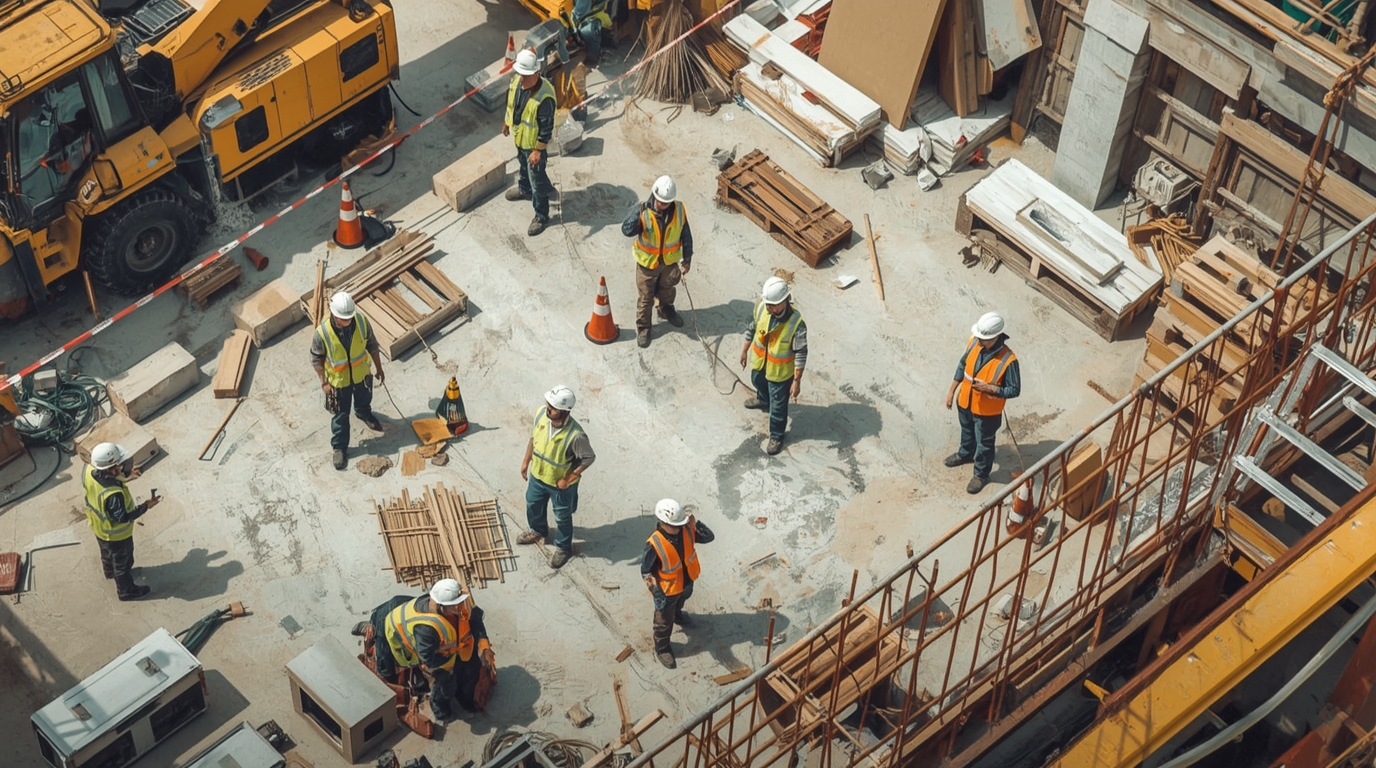
Construction remains one of the highest-risk industries in the UK. Workers face hazards daily, including working at heights, heavy machinery, electrical systems, confined spaces, and moving vehicles. Strong safety training is not optional; it is essential. This is where IOS H&S courses play a critical role.
These courses provide structured knowledge that helps managers, supervisors, and workers understand risk control, legal duties, and safe working practices. In this guide, you will learn why IOS H&S courses matter in construction, what they cover, who needs them, and how they support long-term workplace safety.
Understanding IOSH in Construction
IOSH stands for the Institution of Occupational Safety and Health. It is a globally recognized professional body for health and safety practitioners.
Construction sites operate under strict regulations, including the Health and Safety at Work Act and Construction (Design and Management) Regulations (CDM). iosh health and safety courses help individuals understand these legal frameworks and apply them practically.
Rather than focusing only on theory, these programs emphasize hazard awareness, risk assessment, and real-world decision-making.
Why Construction Needs Structured Safety Training
Construction environments change daily. New subcontractors arrive, materials move, and site layouts evolve. Without consistent safety knowledge, risks increase quickly.
Common construction hazards include:
- Falls from height
- Manual handling injuries
- Machinery accidents
- Electrical hazards
- Exposure to dust and harmful substances
- Structural instability
iosh health and safety courses equip supervisors and team leaders with tools to manage these risks proactively instead of reacting after incidents occur.
What IOSH Health and Safety Courses Cover
Most IOSH health and safety courses focus on practical safety management rather than technical engineering controls. They typically include:
1. Risk Assessment and Control
Participants learn how to identify hazards, evaluate risk levels, and implement control measures.
2. Legal Responsibilities
Courses explain employer and employee duties under UK health and safety law.
3. Incident Investigation
Learners understand how to analyze workplace incidents and prevent recurrence.
4. Safe Systems of Work
Training demonstrates how structured processes reduce site accidents.
5. Environmental Awareness
Construction safety also involves managing noise, waste, and environmental impact.
This knowledge supports compliance and reduces liability exposure.
Popular IOSH Courses for Construction Professionals
Several IOSH programs support construction roles:
- IOSH Managing Safely
- IOSH Working Safely
- IOSH Safety for Executives and Directors
Managers often complete IOSH Managing Safely to improve leadership-level risk control. Operatives may take IOSH Working Safely to strengthen site awareness.
Each option strengthens workplace safety culture.
Legal Compliance and Duty of Care
Construction employers hold a legal duty to protect workers, contractors, and the public. Courts can impose heavy penalties for safety failures.
IOSH health and safety courses help managers understand:
- Risk assessment documentation
- Method statements
- Toolbox talks
- Accident reporting procedures
- Enforcement authority expectations
This structured knowledge reduces the likelihood of prosecution and reputational damage.
Improving Safety Culture on Site
Safety culture reflects how seriously people treat risk prevention. Training influences behaviour.
When supervisors complete IOS H&S courses, they:
- Communicate hazards clearly
- Enforce PPE compliance
- Lead safety briefings confidently
- Address unsafe behaviour immediately
Workers respond positively to informed leadership. A trained manager sets consistent expectations and reinforces accountability.
Reducing Accidents and Downtime
Construction accidents cause project delays, compensation claims, and increased insurance premiums.
Structured training reduces:
- Lost working days
- Injury claims
- Equipment damage
- Investigation costs
By investing time in OSHA health and safety courses, organizations strengthen preventive measures. Prevention remains more cost-effective than managing consequences.
Supporting Career Development in Construction
Construction professionals benefit personally from recognized safety qualifications.
Completing IOSH health and safety courses demonstrates the following:
- Knowledge of workplace safety
- Leadership capability
- Risk management competence
- Compliance awareness
Employers value these attributes when promoting supervisors, site managers, and project leaders.
Workers who understand health and safety law also gain confidence in challenging unsafe practices.
Integration with Other Construction Certifications
IOSH training often complements other industry certifications, such as:
- SMSTS (Site Management Safety Training Scheme)
- CSCS (Construction Skills Certification Scheme)
- First Aid at Work
- Fire Safety Awareness
While technical certifications focus on specific tasks, IOSH health and safety courses build broad management-level safety understanding.
This combination strengthens both operational and strategic site safety.
Practical Application on Construction Sites
Effective safety training must translate into daily action. IOSH programs emphasize real examples, including:
- Conducting dynamic risk assessments
- Managing subcontractor safety compliance
- Reviewing method statements
- Implementing corrective actions after near misses
Supervisors apply these skills immediately on live construction sites.
Long-Term Business Benefits
Beyond compliance, safety training improves organisational performance.
Companies that prioritise iosh health and safety courses often experience:
- Lower insurance premiums
- Fewer regulatory interventions
- Improved workforce morale
- Stronger tender credibility
- Better project continuity
Clients increasingly evaluate contractors based on safety performance records. Documented training supports that evaluation.
Common Misconceptions About IOSH Courses
Some believe IOSH training only suits large corporations. In reality, small construction firms benefit equally.
Others assume experience alone replaces structured learning. However, experience without formal knowledge may overlook evolving legal requirements.
IOSH health and safety courses standardize knowledge and ensure alignment with current regulations.
How to Prepare for an IOSH Course
Participants can prepare by:
-
Reviewing basic workplace safety principles
-
Understanding common construction hazards
-
Reflecting on previous site incidents
-
Engaging actively during training discussions
The courses require participation, not memorization. Active engagement improves retention and practical understanding.
Final Thoughts
Construction remains high-risk, but proactive safety management reduces harm significantly. IOSH health and safety courses provide structured knowledge that strengthens leadership, improves compliance, and supports accident prevention.
When construction professionals understand legal duties, hazard identification, and safe systems of work, they protect workers and projects alike.
In a safety-critical industry, informed decision-making saves lives.
FAQs
1. Who should take IOSH health and safety courses in construction?
Supervisors, managers, site leaders, and workers responsible for safety oversight benefit most. The training supports anyone involved in planning, supervising, or managing construction site activities.
2. Are IOSH courses legally required for construction managers?
IOSH certification itself is not always mandatory, but employers must demonstrate adequate health and safety competence. IOSH training provides recognized evidence of that competence.
3. How long do IOSH health and safety courses take?
Course duration depends on the specific program. IOSH Working Safely may take one day, while IOSH Managing Safely typically runs for several days, including assessments.
4. Do IOSH courses include an assessment?
Yes, most IOSH programs include written assessments and practical risk evaluation exercises. These assessments confirm understanding of hazard control and legal responsibilities.
5. How do IOSH courses improve construction site safety?
IOSH training strengthens hazard identification, risk management, and leadership skills. Participants apply structured safety practices that reduce accidents, improve compliance, and enhance overall workplace culture.