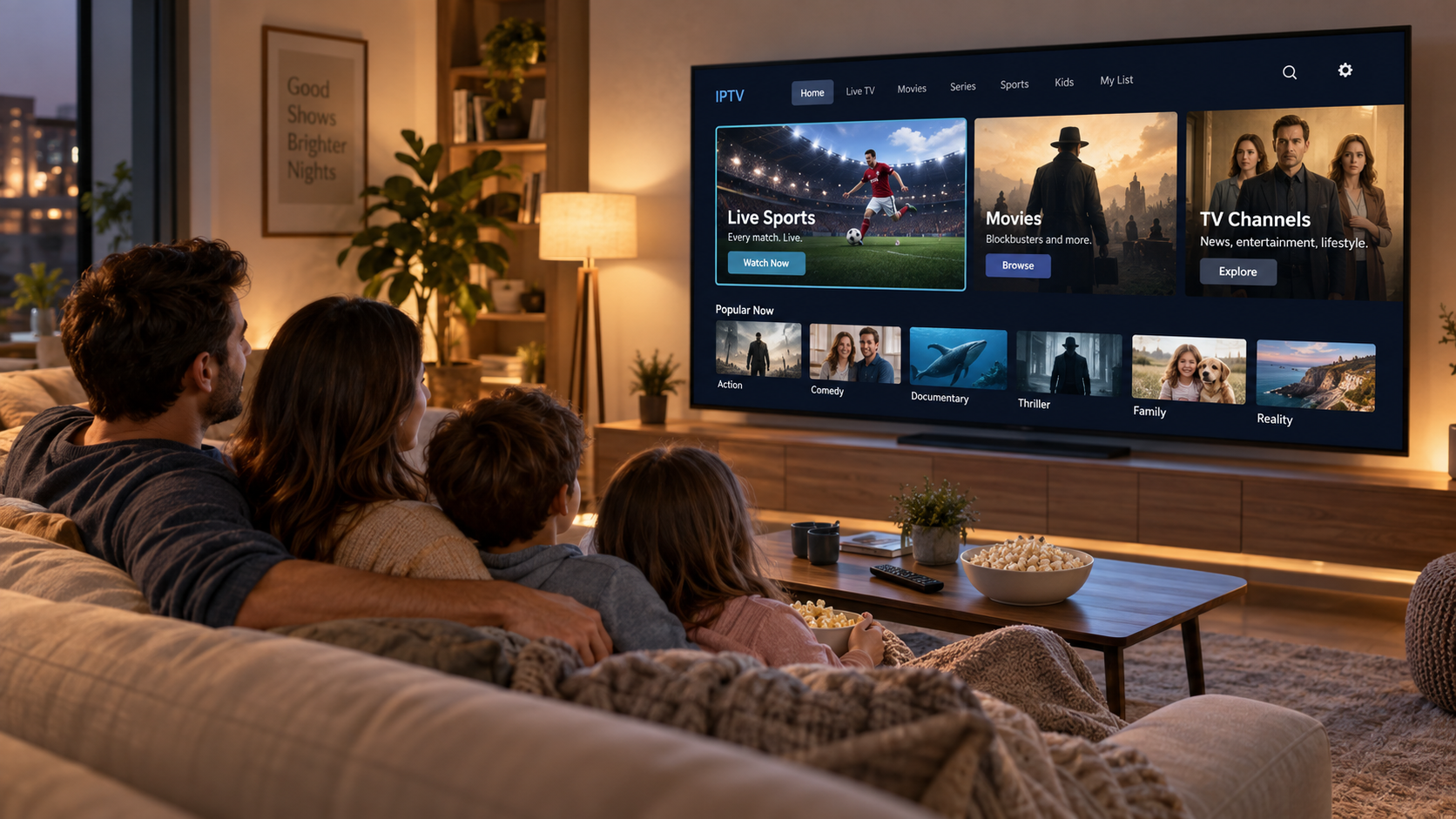
Television used to be one of the most predictable parts of daily life. A program started at a fixed time, viewers gathered around one screen, and missing an episode often meant waiting for a repeat. That routine still exists, especially around news, sports, and major live events, but it is no longer the only way people build television into their day.

Streaming platforms, smart TVs, mobile devices, and internet-based television have made viewing more flexible. People can move between live channels and on-demand libraries, watch from different rooms, and choose a screen based on where they happen to be. The change reflects a broader shift toward entertainment that adapts to the viewer rather than asking the viewer to adapt to a schedule.

Fixed Schedules Are Becoming Less Important
Traditional television schedules still matter when timing is part of the experience. A football match, breaking news story, award show, or live concert loses something if it is watched long after everyone else already knows what happened.
For many other programs, viewers prefer to decide when to begin. A drama can start after dinner instead of at 8 p.m. A documentary can be paused and continued the next evening. Several episodes of a series can be watched over a weekend without checking a broadcast guide.
People increasingly see scheduling as one option rather than the basic rule of television. Live programming and on-demand content now sit beside each other in the same entertainment routine.
The Living-Room TV Is No Longer the Only Screen
The main television is still important for family viewing, movies, and sports, but other screens now take over when convenience matters more than size.
A tablet may be used in the kitchen, a laptop in a bedroom, and a smartphone for checking live coverage away from home.
Viewers increasingly expect services to work across smart TVs, phones, tablets, computers, and streaming players. Different people in one household can also watch separate programs without competing for a single screen.
Smart TVs Have Blurred the Line Between Television and Streaming
A smart TV can connect directly to the internet and run apps for live TV, films, series, music, and video platforms.
That makes the distinction between “watching television” and “streaming” less clear. Viewers can switch from a live channel to a streaming app or film without changing the display, making internet-based entertainment part of ordinary television behavior.
For readers interested in the broader shift in real-time viewing, Press Bulletin has also explored how people are changing the way they watch live television, including the role of connected devices and flexible viewing.
Viewers Are Combining Live and On-Demand Content
One of the clearest changes is that households no longer have to choose between live television and streaming libraries.
A viewer might watch a football match live, catch up on a missed episode afterward, and finish the evening with a movie. These activities can happen through the same television and internet connection.
Live content remains valuable because sports, news, competitions, and major events create a shared moment. On-demand entertainment serves a different need: control over timing.
Modern viewing works because people can combine both according to what they actually enjoy.
Internet Quality Has Become Part of the TV Experience
As more television moves online, the quality of the home network becomes increasingly important.
Streaming depends on a steady flow of data, and unstable connections can lead to buffering, temporary drops in picture quality, or interrupted playback. Speed matters, but consistency matters too.
Router placement, walls, network congestion, and simultaneous downloads can all influence performance. In a busy household, phones, laptops, consoles, and smart devices may compete for bandwidth during the evening.
For a fixed television or streaming box, Ethernet can provide useful stability. Where Wi-Fi is necessary, better router placement or a mesh network may improve coverage.
People Expect More Control Over What They Pay For
Changing viewing habits have also affected how people think about television packages.
Traditional bundles often included channels that individual households rarely watched. Streaming encouraged viewers to build entertainment around more specific interests, such as films, documentaries, children’s programming, international content, or live sport.
That flexibility can create subscription overload. Reviewing services every few months helps viewers identify what they actually use and where platforms overlap.

People researching different ways to watch TV today may compare traditional broadcasting, streaming platforms, live TV services, and IPTV-based options according to device support, content preferences, internet requirements, and subscription terms.
The goal should be a setup that fits real habits rather than one built around the largest possible number of services.
Navigation Matters More as Choice Expands
More content is useful only when people can find what they want.
Modern viewers often move between several apps, channels, and streaming libraries. Poor navigation can turn that choice into frustration.
Favorites, watchlists, profiles, search tools, and electronic program guides help keep things manageable. An Electronic Program Guide, or EPG, is especially useful for live television because it shows what is playing now and what is scheduled next.
Households can also simplify a smart TV home screen by moving frequently used apps to the front and removing services that are rarely opened.
Sports and Live Events Still Encourage Shared Viewing
Personal screens have made television more individual, but major sports matches, finals, national events, and popular shows still encourage shared viewing.
Friends may discuss a match through messaging apps or check statistics on a second screen, extending the experience beyond the main display.
One downside is spoilers. Live internet streams can lag behind notifications, so viewers may silence alerts during important events.
Swedish and Nordic Viewing Habits Fit the Same Wider Trend
The move toward connected television is relevant in Sweden and across the Nordic region as well.
Viewers may want Swedish programming, Nordic entertainment, international series, news, sports, and films without depending entirely on one delivery method. Smart TVs and internet-based platforms make it easier to combine these interests.
Terms such as IPTV Sverige, svensk IPTV, and IPTV abonnemang reflect interest in internet-delivered television, but practical questions still matter. Device compatibility, network stability, subscription conditions, and content licensing can all affect whether a service is appropriate.
The everyday experience matters more than the label. A platform that fits the devices and habits already present in the home is usually easier to live with than one requiring constant adjustments.
Good Viewing Is Becoming Less About the Technology
One sign that television technology is maturing is that viewers increasingly expect it to disappear into the background.
People do not want to think about codecs, network protocols, app versions, or streaming hardware every evening. They want to choose a program and watch it.
That is why reliability and simplicity often matter more than a long feature list. Fast navigation, stable playback, clear organization, and support for familiar devices can have more impact on daily satisfaction than advanced options that are rarely used.
Television Is Becoming More Flexible, Not Less Important
Streaming has not made television irrelevant. Instead, it has expanded what television can mean.
The same person can still enjoy a traditional live broadcast while also expecting on-demand access, multiple screens, personalized recommendations, and the freedom to watch at a convenient time. Old and new viewing habits increasingly coexist rather than replacing one another completely.
For viewers, the biggest change is control. They can choose the screen, the schedule, the service, and the type of content that fits the moment.
This flexibility also gives households room to change over time. A setup that works for one person today can adapt as new devices, schedules, and viewing interests become part of daily life.
Technology will continue to evolve, but the direction is clear: viewers increasingly expect entertainment to work around their lives, not the other way around.