Clean drinking water has quietly become one of the biggest daily concerns for families across Pakistan. As groundwater quality keeps dropping in cities like Lahore, Karachi, and Multan, more households are turning toward a dependable RO Plant Water filter to protect their health. This single choice often decides whether a home enjoys safe, balanced water or deals with recurring stomach issues and contamination scares. The Next Rex has spent considerable time studying how local households can access reliable filtration without unnecessary confusion or inflated costs. Many people delay this decision simply because the technical jargon feels overwhelming at first glance. This guide breaks everything down in plain language so you can make a confident choice. If your tap water has started tasting odd or smelling faintly metallic, don’t wait for the problem to worsen — talk to our water specialists today and get a straightforward, no-pressure assessment this week.

How Does an RO Plant Water Filter Actually Work?
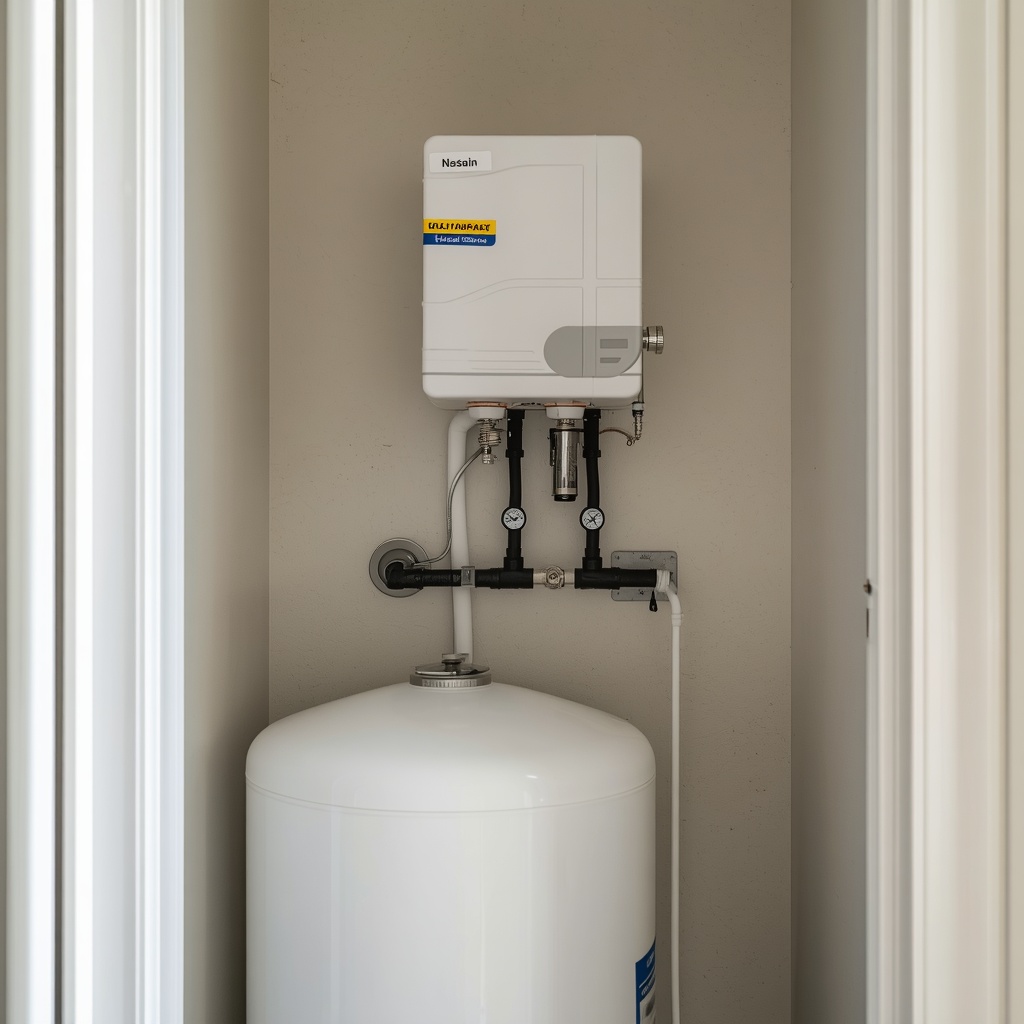
Reverse osmosis filtration pushes water through a semi-permeable membrane under pressure, trapping dissolved salts, bacteria, and heavy metals along the way. Consequently, only clean water molecules pass through, while contaminants get flushed out separately. This process is fundamentally different from a basic Water filter that only screens out visible particles or larger sediment. Therefore, RO systems address what the eye cannot see, including dissolved arsenic, nitrates, and microbial threats common in Pakistani groundwater. Most modern units also include sediment and carbon pre-filters, which extend membrane life significantly. As a result, the final output is water that meets international purity standards rather than just looking clear. Understanding this mechanism helps homeowners appreciate why proper installation and maintenance genuinely matter.

Why Drinking Water Quality Has Become a Pressing Concern
Pakistan’s groundwater frequently contains elevated levels of arsenic, fluoride, and bacterial contamination due to aging pipelines and industrial runoff. Many regions now depend on a reliable drinking water RO plant to counter brackish groundwater and inconsistent municipal supply. Furthermore, frequent power outages and pressure fluctuations often introduce sediment into pipelines that were previously considered safe. Children and elderly family members are particularly vulnerable to waterborne illnesses caused by this kind of contamination. Consequently, families are no longer treating filtration as optional; it has become a basic health requirement. Public health data consistently shows fewer gastrointestinal complaints in households using proper filtration. This shift in awareness is precisely why demand for dependable systems continues climbing across both urban and semi-urban areas.
Choosing the Right System for Your Property
Selecting an appropriate RO Plant Water filter depends heavily on household size, daily consumption, and existing water TDS levels. A family of four typically needs a different capacity than a small commercial office or a large joint family setup. Additionally, water sourced from a borewell usually carries a higher mineral load than municipal supply, which affects membrane selection. It’s also worth checking certification standards, since not every unit sold locally meets genuine NSF or WQA benchmarks. Homeowners should request a TDS reading before purchase, as this single number guides almost every other decision. Skipping this step often leads to either overpaying for unnecessary capacity or under-filtering contaminated water. Taking a few extra days to assess your actual needs pays off considerably over the system’s lifetime.
Understanding RO Water Plant Price in Pakistan and Installation Costs
Pricing for a residential RO Water Plant varies based on capacity, membrane quality, and the number of filtration stages included. Generally, basic five-stage systems are more affordable, while six or seven-stage units with UV sterilization cost noticeably more upfront. However, cheaper units often require frequent membrane replacements, which adds hidden long-term expense. It’s worth researching average RO Water plant price in Pakistan ranges before committing, since costs differ widely between local assemblers and certified brands. Installation charges typically depend on plumbing complexity, wall-mounting requirements, and whether a dedicated tap is needed. Moreover, ongoing costs like annual filter replacement and occasional membrane servicing should factor into your budget planning. A transparent quote upfront usually signals a more trustworthy service provider.
Maintenance Tips to Extend the Life of Your RO Plant Water Filter
Routine maintenance is what separates a system lasting ten years from one failing within eighteen months. Sediment pre-filters generally need replacement every two to three months, depending on local water turbidity. Meanwhile, the actual membrane inside your RO Plant Water filter typically lasts between two and three years with proper care. Ignoring scheduled servicing often leads to reduced flow rate and, eventually, compromised filtration quality. Therefore, setting calendar reminders for filter changes saves both money and health risks down the line. Annual professional inspection also catches small leaks or pressure issues before they escalate into costly repairs. Consistent upkeep genuinely extends equipment lifespan far beyond manufacturer estimates when handled properly.
Filtration Plant Solutions Beyond the Kitchen Tap
While most people think of RO systems strictly for kitchen use, a proper filtration plant can serve entire buildings or commercial spaces. Offices, schools, and small factories increasingly install centralized units rather than relying on bottled water deliveries. Additionally, this approach reduces plastic waste considerably, which aligns with broader environmental goals many organizations now prioritize. Centralized systems also offer better cost efficiency per liter compared to scattered point-of-use filters across multiple locations. As demand grows, technicians are designing more modular setups that scale easily as a business expands. This flexibility makes large-scale filtration increasingly accessible even for smaller commercial budgets.
Why a Home Filtration Setup Beats Bottled Water Long-Term
Relying on bottled water might feel convenient initially, but the costs accumulate quickly over months and years. A properly maintained Water filtration plant for home use eliminates recurring delivery expenses while ensuring consistent quality every single day. Furthermore, bottled water storage often involves plastic containers sitting in heat, which can affect taste and safety over time. Switching to an in-home system also removes dependence on suppliers during emergencies or supply chain disruptions. Many families report noticeable savings within the first year alone after making this transition. Beyond cost, the environmental benefit of reduced plastic consumption matters increasingly to conscious households today. This combination of savings and reliability explains why home installation continues gaining popularity nationwide.
Choosing the right filtration partner shouldn’t feel like guesswork or a gamble on unreliable installers. If you’re ready to stop worrying about water quality and start trusting what comes out of your tap, reach out to our team now for a tailored recommendation built around your home’s actual needs.
Q: How often should RO membranes be replaced?

Most residential membranes need replacement every two to three years, depending on usage and source water quality.
Q: Can an RO system remove all bacteria from water?
Yes, properly functioning membranes combined with UV stages remove the vast majority of bacteria and microbial contaminants.
Q: Is RO-filtered water safe for infants?
Yes, RO-filtered water is generally considered safe for infant formula preparation once properly mineral-balanced.
Q: Does low water pressure affect filtration performance?
Yes, insufficient pressure can reduce flow rate and may require an additional booster pump for consistent output.
Q: How long does professional installation usually take?
Standard residential installation typically takes between two and four hours, depending on plumbing layout and wall placement.