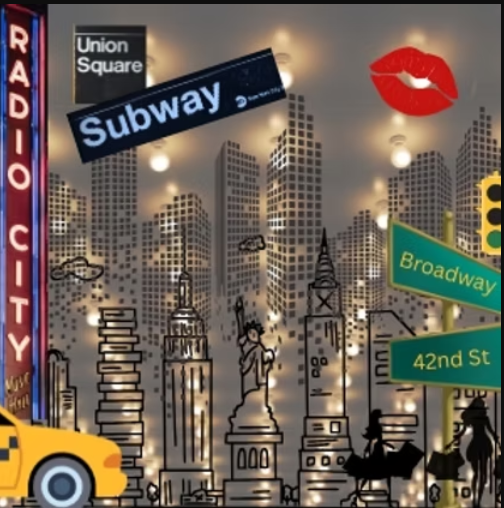
In today’s experience-driven world, events are no longer judged solely by décor, food, or entertainment. Guests remember how an event made them feel—and visual communication plays a decisive role in shaping those emotions. From the moment a guest receives an invitation to the final directional sign guiding them out, graphic design silently orchestrates their journey.
Professional event graphic design is not just decoration; it is strategic storytelling. When done thoughtfully, it elevates clarity, enhances emotional connection, and reinforces brand identity across every touchpoint of an event. This article explores how intentional graphic design influences guest experience from start to finish, using research-backed insights, real-world data, and proven event design principles.
The Psychology Behind Visual First Impressions
Research shows that people form a first impression within 7 seconds, and nearly 90% of that judgment is based on visual cues (source: Princeton University research on cognition). For events, this first impression often begins with a digital or printed invitation.
Typography, color palette, layout, and imagery immediately communicate tone:
- Elegant serif fonts suggest formality and luxury
- Bold sans-serif typography signals modernity and innovation
- Color psychology influences mood (blue evokes trust, gold suggests premium value)
When invitations visually align with the event’s purpose, guests arrive with clear expectations—making them more receptive to the experience ahead.
Invitations as the First Brand Touchpoint
Invitations are more than logistical tools; they set emotional context. A cohesive invitation design:
- Establishes event hierarchy and importance
- Signals professionalism and attention to detail
- Builds anticipation and curiosity
According to EventMB, 72% of attendees say pre-event communication affects their perception of the event’s quality. This is where event graphic design quietly begins shaping experience before guests even arrive.
For luxury weddings, corporate launches, or milestone celebrations, custom invitation systems help ensure that visual storytelling begins early and flows seamlessly into the live environment.
Consistency Builds Trust and Comfort
Once guests arrive onsite, consistency becomes critical. Repeated visual elements—logos, fonts, icon styles, color systems—help guests feel oriented and confident within the space.
Wayfinding signage, welcome boards, schedules, table numbers, and stage backdrops should feel like part of a unified system rather than isolated elements. According to a study by the Sign Research Foundation, clear and consistent signage improves guest navigation efficiency by up to 40%, reducing confusion and stress.
This is why professional planners integrate event graphic design into the overall planning process rather than treating it as an afterthought.
Signage That Guides Without Overwhelming
Great signage doesn’t shout—it guides intuitively.
Effective signage design:
- Uses hierarchy to prioritize information
- Maintains readability from various distances
- Balances aesthetics with function
Poorly designed signage frustrates guests, causes delays, and disrupts event flow. In contrast, thoughtful visual systems allow guests to focus on the experience rather than logistics.
For large-scale events, branded signage also becomes a subtle marketing tool—appearing in photos, videos, and social media shares long after the event ends.
Graphic Design as Emotional Storytelling
Beyond logistics, graphics carry emotional weight. A welcome sign with carefully chosen wording, a timeline wall that tells a brand’s story, or a custom monogram integrated across décor elements can create moments of emotional resonance.
Studies from Harvard Business Review show that emotionally connected attendees are over 2x more likely to remember an experience positively. Visual storytelling plays a central role in creating that connection.
This emotional layer is where event graphic design transforms from functional to unforgettable.
Brand Recall and Shareability
In the age of Instagram and LinkedIn, events live beyond their physical duration. Guests document and share moments instantly. Well-designed graphics:
- Increase photo-worthiness
- Improve brand visibility in shared content
- Reinforce visual identity across platforms
According to Nielsen, visual consistency increases brand recognition by up to 80%. Every backdrop, sign, or printed element becomes part of the brand’s digital footprint.
For corporate events especially, strong visuals can amplify reach far beyond the guest list.
Accessibility and Inclusivity Through Design
Guest experience is incomplete without accessibility. Inclusive graphic design considers:
- Legible fonts for all age groups
- High-contrast color combinations
- Clear iconography for non-native speakers
- ADA-compliant signage placement
The World Health Organization estimates that over 15% of the global population lives with some form of disability. Designing with inclusivity in mind is not only ethical—it enhances usability for everyone.
Professional teams integrate accessibility standards naturally into design systems rather than retrofitting them later.
Why Professional Execution Matters
DIY graphics often fail due to:
- Inconsistent scaling and resolution
- Print inaccuracies
- Poor material choices
- Lack of spatial planning
Professionally executed event graphic design ensures:
- Precision across formats (print, digital, large-scale)
- Seamless coordination with décor and layout
- Durable materials suited for event conditions
Experienced designers understand how visuals behave in real environments—not just on screens.
The Role of Integrated Event Design Teams
When graphic design is developed in isolation, it often clashes with décor, lighting, or spatial flow. Integrated teams ensure harmony across all elements—from stage design to florals to signage.
This is where full-service event studios like:
Skyanna Events
stand out. By aligning creative direction, spatial planning, and visual communication under one roof, they create experiences that feel intentional, immersive, and refined from start to finish.
Long-Term Value Beyond the Event Day
Well-designed event graphics don’t disappear after teardown. They often become:
- Brand assets for future campaigns
- Portfolio visuals
- Content for social and PR use
According to Bizzabo, 68% of marketers reuse event visuals in post-event marketing, extending ROI well beyond the event itself.
This long-term value further justifies investing in thoughtful, professional design.
Final Thoughts
Guest experience is shaped by dozens of subtle cues—and graphic design quietly influences almost all of them. From the anticipation sparked by an invitation to the comfort provided by clear signage, visual systems guide emotion, behavior, and memory.
When approached strategically, event graphic design becomes more than decoration—it becomes a powerful experience driver, a storytelling tool, and a measurable contributor to event success.
In a world where experiences define brands and memories define value, thoughtful design is no longer optional—it is essential.