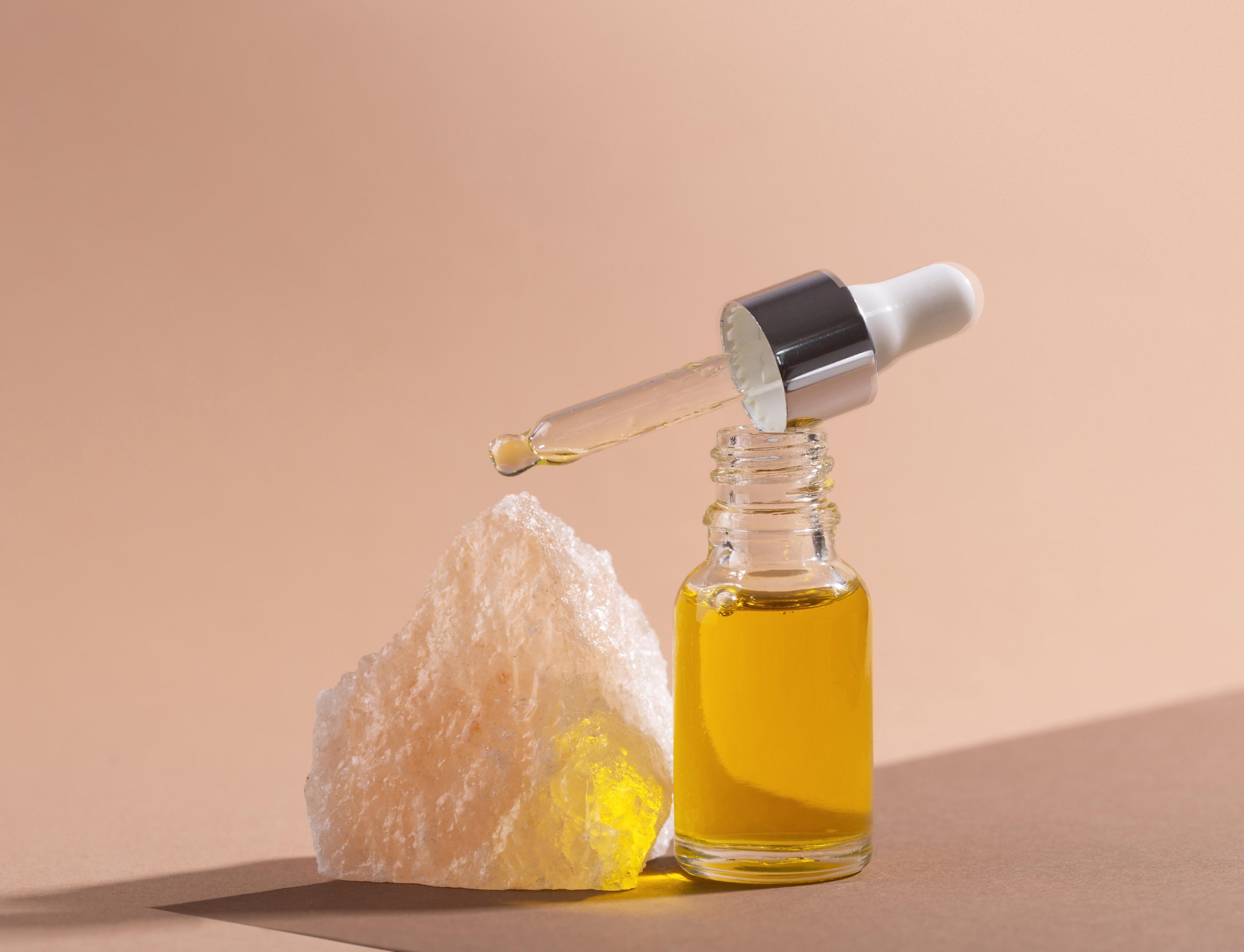

Introduction: The Secret to Glass Skin in the Middle East Climate
Achieving glowing, smooth, hydrated “glass skin” is not only about using trendy products. It is about layering the right ingredients in the right order. For anyone living in the Middle East, especially in the UAE, skincare can feel challenging because the skin is constantly exposed to harsh sunlight, dry indoor air conditioning, humidity changes, and dehydration.

This is where a smart combination of Vitamin C serum and Hyaluronic acid serum can make a visible difference.
Vitamin C helps brighten the skin, support an even-looking tone, and protect the skin from environmental stress. Hyaluronic acid helps attract hydration, leaving the skin looking plump, fresh, and dewy. Together, they create the perfect base for a healthy glass skin routine inspired by Korean skincare principles.
If you are building a simple but effective K-beauty UAE routine, learning how to layer these two ingredients properly is one of the best places to start.
Why Vitamin C and Hyaluronic Acid Work So Well Together
Vitamin C and Hyaluronic acid are popular skincare ingredients for different reasons. One focuses more on brightness and antioxidant care, while the other focuses on hydration and skin comfort.
When used together, they can help the skin look:
- Brighter and fresher
- More hydrated and plump
- Smoother in texture
- Less dull from sun exposure and dryness
- More radiant under makeup or sunscreen
What Does Vitamin C Serum Do?
A Vitamin C serum is a brightening antioxidant product commonly used in morning skincare routines. It is loved in Korean beauty because it helps improve the appearance of dullness, uneven tone, and tired-looking skin.
Vitamin C serum is especially useful if your skin concerns include:
- Dullness caused by sun exposure
- Uneven-looking skin tone
- Dark spots or post-acne marks
- Lack of radiance
- Early visible signs of environmental damage
In a Middle East skincare routine, Vitamin C is valuable because the skin is exposed to intense sunlight and pollution. While Vitamin C does not replace sunscreen, it works beautifully as part of a morning routine before SPF.
What Does Hyaluronic Acid Serum Do?
A Hyaluronic acid serum is a hydration-focused product. It helps the skin hold moisture and gives it a smoother, bouncier appearance.
It is ideal for people who experience:
- Dryness from air conditioning
- Tightness after cleansing
- Dehydrated skin
- Dull or tired-looking skin
- Makeup that looks patchy or cakey
In the UAE and other Middle Eastern climates, many people experience dehydrated skin even if their skin type is oily. This happens because air-conditioned spaces can pull moisture from the skin, leaving it feeling tight but still shiny. Hyaluronic acid helps restore that fresh, hydrated look.
Can You Use Vitamin C Serum and Hyaluronic Acid Serum Together?
Yes, Vitamin C serum and Hyaluronic acid serum can be used together in the same routine. In fact, this combination is one of the easiest ways to build a glowing, hydrated skincare base.
The key is proper layering.
A simple rule is:
Apply Vitamin C first, then Hyaluronic acid, then moisturizer, then sunscreen in the morning.
Vitamin C should usually go closer to clean skin because it is your active brightening step. Hyaluronic acid can follow to add hydration and comfort. Then a moisturizer helps seal everything in.
The Correct Order: How to Layer Vitamin C and Hyaluronic Acid
For best results, follow this step-by-step routine.
Step 1: Start With a Gentle Cleanser
Before applying serum, your skin should be clean. Use a gentle cleanser that removes sweat, sunscreen, and excess oil without stripping your skin barrier.
Avoid harsh cleansers that leave your face feeling squeaky clean or tight. That tight feeling often means your skin has lost too much natural moisture.
Morning Cleanse Tip
If your skin is dry or sensitive, you may not need a strong cleanser in the morning. A mild gel cleanser or gentle foam cleanser is usually enough.
Step 2: Apply Toner or Essence
This step is optional, but it is very common in Korean skincare. A hydrating toner or essence can prep your skin so that your serums apply more smoothly.
Look for lightweight hydration-focused products if your goal is glass skin.
Good toner or essence qualities include:
- Lightweight texture
- No heavy fragrance
- Hydrating ingredients
- Comfortable finish
- Quick absorption
This step helps create the soft, dewy base that Korean beauty routines are known for.
Step 3: Apply Vitamin C Serum First
After cleansing and toning, apply your Vitamin C serum.
Use 2–3 drops and gently spread it across your face. Focus on areas where you notice dullness, uneven tone, or dark spots.
Do not rub aggressively. Press the serum into the skin using gentle motions.
Why Vitamin C Comes First
Vitamin C works best when it is applied before heavier hydrating or moisturizing layers. This allows the brightening active to sit closer to the skin and perform more effectively.
How Often Should You Use Vitamin C Serum?
If you are new to Vitamin C, start slowly.
Use it:
- 2–3 times per week at first
- Then increase to every morning if your skin tolerates it
- Reduce frequency if you notice stinging, redness, or dryness
For sensitive skin, slow introduction is always better than using too much too soon.
Step 4: Apply Hyaluronic Acid Serum
After Vitamin C, apply your Hyaluronic acid serum.
Hyaluronic acid works best when applied to slightly damp skin. If your skin feels completely dry after Vitamin C, lightly mist your face or apply the Hyaluronic acid serum while your skin still feels fresh from toner.
Use a small amount and spread it evenly.
Why Hyaluronic Acid Comes After Vitamin C
Hyaluronic acid helps add hydration and makes the skin feel more comfortable. It supports the plump, smooth finish that is essential in a glass skin routine.
This step is especially helpful if your skin feels dry from air conditioning or sun exposure.
Step 5: Lock Everything In With Moisturizer
After your serums, use a moisturizer to seal hydration into the skin.
This step is important because Hyaluronic acid attracts moisture, but without a moisturizer, that hydration may not last as long. A good moisturizer helps reduce water loss and keeps your skin feeling soft throughout the day.
Best Moisturizer Texture for Middle East Weather
Choose your moisturizer based on your skin type:
- Oily skin: Lightweight gel cream
- Dry skin: Rich cream or barrier-supporting moisturizer
- Combination skin: Light cream on the whole face, extra moisture on dry areas
- Sensitive skin: Fragrance-free calming moisturizer
The goal is not to make your skin greasy. The goal is to make it balanced, hydrated, and comfortable.
Step 6: Finish With Sunscreen Every Morning
Sunscreen is non-negotiable, especially when using Vitamin C serum in a morning routine.

Vitamin C supports a brighter-looking complexion, but sun exposure can worsen dullness, pigmentation, and uneven tone. A broad-spectrum sunscreen helps protect your progress.
For UAE and Middle East climates, choose a sunscreen that feels comfortable enough to reapply. The best sunscreen is the one you will actually use daily.
Morning Routine Summary
Here is the ideal order:
- Cleanser
- Toner or essence
- Vitamin C serum
- Hyaluronic acid serum
- Moisturizer
- Sunscreen
This simple layering method gives your skin brightness, hydration, comfort, and daily protection.
Night Routine: Should You Use Vitamin C and Hyaluronic Acid at Night?
You can use Hyaluronic acid serum at night, but Vitamin C is usually most popular in the morning because it pairs well with daytime antioxidant protection and sunscreen.
A simple night routine can look like this:
- Cleanser
- Hydrating toner
- Hyaluronic acid serum
- Moisturizer
- Sleeping mask if needed
If your skin is very dry from air conditioning, nighttime hydration is extremely important. This is when your skin can recover and feel more balanced by morning.
Glass Skin Routine for Dry, Air-Conditioned Environments
Many people in the UAE spend long hours indoors with air conditioning. While AC keeps the environment comfortable, it can leave the skin dehydrated.
That is why a glass skin routine should focus on hydration layers, not just brightening products.
How to Keep Skin Dewy in AC
Try these tips:
- Use Hyaluronic acid serum on slightly damp skin
- Apply moisturizer while skin still feels hydrated
- Avoid over-cleansing
- Use a hydrating mist only when followed by moisturizer if needed
- Keep a simple routine instead of using too many actives
- Drink enough water throughout the day
- Reapply sunscreen when exposed to daylight
The goal is to keep your skin barrier comfortable. When the skin barrier is happy, your glow looks more natural and long-lasting.
Common Mistakes to Avoid When Layering Vitamin C and Hyaluronic Acid
Even good products can disappoint if they are used incorrectly. Avoid these common mistakes.
Mistake 1: Applying Too Many Actives at Once
Do not overload your skin with Vitamin C, exfoliating acids, retinol, and strong treatments all in one routine. This can increase the chance of irritation.
Keep your morning routine simple and focused.
Mistake 2: Skipping Sunscreen
Using Vitamin C without sunscreen is a missed opportunity. Sunscreen protects your skin from UV damage, while Vitamin C supports brightness and radiance.
For the best glow, use both.
Mistake 3: Applying Hyaluronic Acid on Very Dry Skin
Hyaluronic acid performs best when there is moisture available. Apply it after toner or on slightly damp skin for a plumper finish.
Mistake 4: Expecting Overnight Results
Glass skin is built through consistency. You may notice hydration quickly, but brightness and tone improvement usually take longer.
Stay consistent for several weeks before judging results.
Mistake 5: Using Too Much Product
More serum does not mean better results. A few drops are enough. Overusing products can make the skin sticky, irritated, or congested.
Who Should Use This Routine?
This Vitamin C and Hyaluronic acid layering method is suitable for many skin types.
Best For:
- Dull skin
- Dehydrated skin
- Uneven-looking tone
- Skin exposed to harsh sunlight
- Skin affected by air conditioning
- People who want a Korean-inspired glow
- Beginners building a K-beauty UAE routine
Be Careful If:
- Your skin is very sensitive
- You have active irritation
- You recently had a skin treatment
- You are using prescription skincare
- Your Vitamin C serum causes stinging or redness
If your skin reacts easily, introduce one product at a time.
How to Choose the Right Vitamin C Serum
When selecting a Vitamin C serum, look for a formula that suits your skin type and comfort level.
For Beginners
Choose a gentle Vitamin C serum that is not too strong. This helps your skin adjust without unnecessary irritation.
For Dull Skin
Choose a brightening formula designed to improve radiance and uneven-looking tone.
For Dry Skin
Look for Vitamin C products that also include hydrating or soothing ingredients.
For Oily Skin
Choose lightweight textures that absorb quickly and do not feel greasy.
How to Choose the Right Hyaluronic Acid Serum
A good Hyaluronic acid serum should feel lightweight, hydrating, and comfortable under moisturizer and sunscreen.
For Dry Skin
Choose a richer hydrating serum or layer it with a nourishing moisturizer.
For Oily Skin
Choose a lightweight serum that hydrates without adding heaviness.
For Combination Skin
Use Hyaluronic acid across the face and add extra moisturizer only to dry areas.
For Sensitive Skin
Look for simple, soothing formulas that support hydration without feeling harsh.
Why K-Beauty UAE Routines Focus So Much on Hydration
Korean beauty is not only about trends. It is built around the idea of maintaining a healthy-looking, hydrated skin barrier.
In the UAE, this approach makes a lot of sense. The skin faces sun, heat, humidity, indoor dryness, and frequent sunscreen use. A K-beauty UAE skincare routine helps balance these challenges through gentle layering.
Instead of relying on one heavy cream, K-beauty often uses lightweight layers:
- Hydrating toner
- Essence
- Serum
- Moisturizer
- Sunscreen
This method gives the skin a fresh glow without making it feel heavy or oily.
The Perfect Morning Routine for Middle East Glass Skin
Here is a simple routine you can follow daily:
Step-by-Step Morning Routine
- Cleanse gently
Remove sweat and oil without stripping the skin. - Apply hydrating toner
Prepare your skin for serum layering. - Use Vitamin C serum
Apply 2–3 drops for brightness and antioxidant care. - Layer Hyaluronic acid serum
Add hydration and plumpness. - Seal with moisturizer
Lock in hydration and support the skin barrier. - Finish with sunscreen
Protect your glow from harsh sun exposure.
This routine is simple, effective, and realistic for everyday life.
The Final Takeaway: Brightness Plus Hydration Creates the Glow
The ultimate glass skin glow does not come from one product. It comes from balance.
A Vitamin C serum helps revive dull-looking skin and supports a brighter complexion. A Hyaluronic acid serum brings hydration, softness, and plumpness. When layered correctly, they create a smooth, radiant base that works beautifully in Middle East climates.
For anyone dealing with dry air conditioning, strong sunlight, and dehydrated skin, this combination is one of the most practical ways to build a healthier-looking glow.
If you want authentic Korean beauty products at an affordable price, Lamise Beauty is one of the best options to find authentic korean skincare products.